TomCo Solutions

Blog

  • Mold Prevention After a Hurricane in Tampa: Essential Steps & Strategies

    Mold Prevention After a Hurricane in Tampa: Essential Steps & Strategies

    Mold Prevention After a Hurricane in Tampa: Essential Steps & Strategies

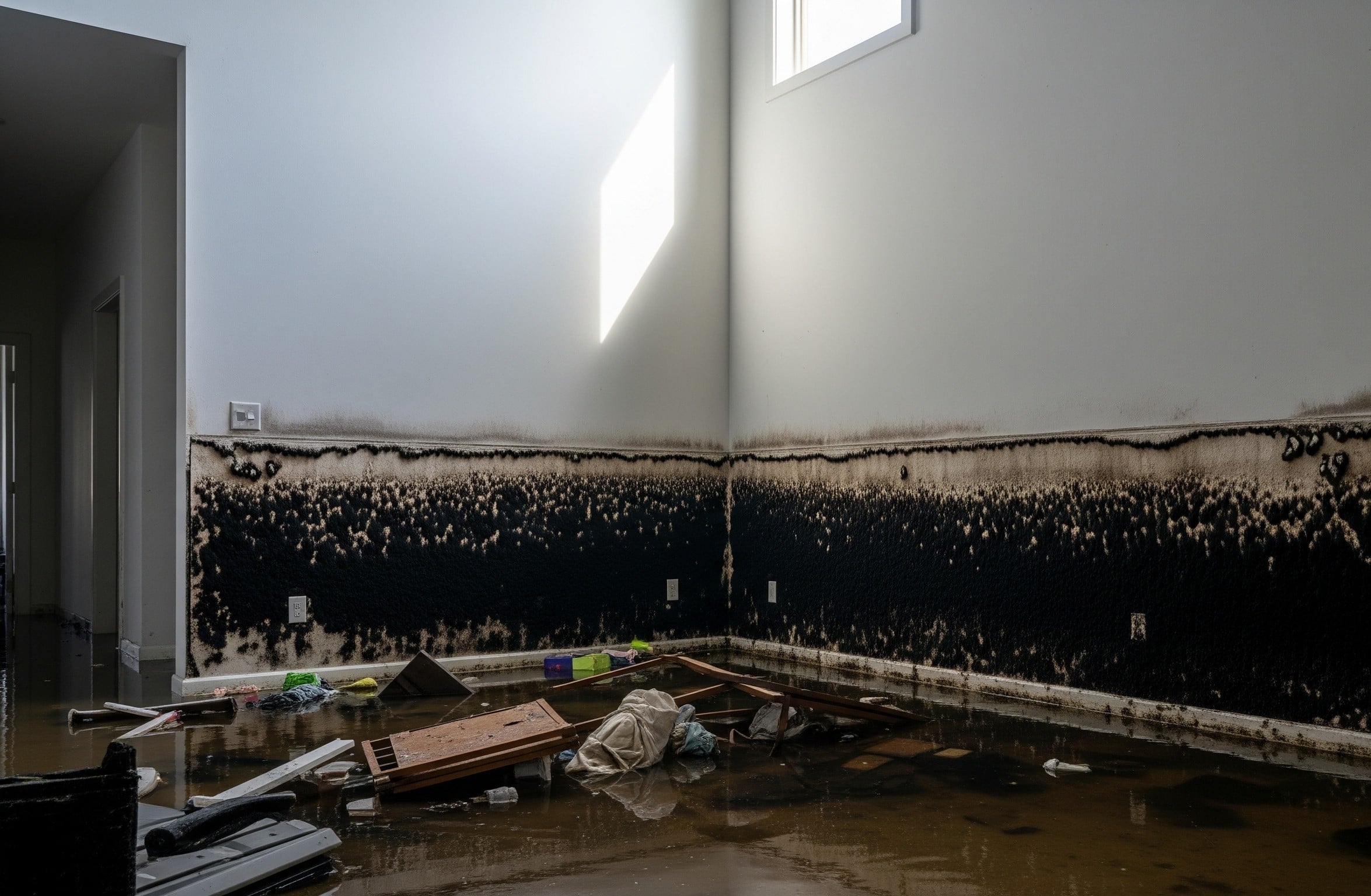
    After a hurricane passes through Tampa, water damage often creates the perfect environment for mold. The warm, humid climate speeds up growth, and in many cases, mold can start spreading within 24 to 48 hours. The best way to prevent mold after a hurricane is to act quickly by removing moisture and drying out your home as soon as possible.

    You need to know what steps make the biggest difference in protecting your home. From spotting hidden water damage to controlling indoor humidity, small actions taken right away can save you from costly repairs later. By learning how to handle these risks, you stay in control of your home’s safety and health.

    Key Takeaways

    • Mold begins quickly after water damage in humid conditions
    • Fast action and moisture control reduce long-term problems
    • Proper inspection and cleanup protect your home’s health

    Understanding Mold Risks After a Hurricane

    When a hurricane passes through Tampa, the combination of heavy rain, flooding, and high humidity creates the perfect setting for mold to thrive. Mold spores spread quickly when water intrusion is not controlled, and exposure can harm both your home and your health.

    How Hurricanes Create Mold Hazards

    Hurricanes often cause roof leaks, broken windows, and flooding that allow water to enter your home. Once water intrusion occurs, building materials like drywall, wood, and insulation stay damp and create a breeding ground for mold spores.

    Tampa’s humid climate makes drying even more difficult. Without proper airflow, moisture lingers in walls, flooring, and furniture. This trapped moisture accelerates mold growth and makes cleanup more challenging.

    Common areas at risk include:

    • Basements and crawl spaces
    • Carpets and rugs
    • Drywall and ceilings
    • HVAC systems

    If you do not remove wet items quickly, mold will spread beyond visible surfaces and into hidden areas. Addressing water damage promptly and improving ventilation are key steps to reducing this risk.

    The 24-48 Hour Window for Mold Growth

    Mold spores can begin to grow within 24 to 48 hours after water exposure. This short window means you must act quickly once flooding or leaks occur.

    Drying out your home as fast as possible is crucial. Use fans, dehumidifiers, and open windows if weather allows. Remove wet carpets, furniture, and drywall that cannot be fully dried.

    A simple timeline to remember:

    Time After Water IntrusionMold Risk Level
    0–24 hoursLow, but rising
    24–48 hoursHigh
    Over 48 hoursVery high

    Health Effects of Mold Exposure

    Mold exposure can affect your health even if you cannot see it. Mold spores travel through the air and may cause allergic reactions, asthma flare-ups, and other respiratory issues.

    You may notice symptoms such as coughing, sneezing, watery eyes, or skin irritation. People with weakened immune systems, children, and older adults are especially vulnerable.

    If you detect musty odors or unexplained health symptoms after a hurricane, you should have your home inspected for hidden mold growth.

    Immediate Actions to Prevent Mold Growth

    Fast steps after a hurricane reduce the chance of mold taking hold in your home. You need to manage water damage quickly, improve air movement, and dry out materials before moisture can spread.

    Removing Standing Water and Moisture

    Start by getting rid of standing water as soon as possible. Mold can begin to grow within 24 to 48 hours of water exposure if left untreated. Use pumps, wet vacuums, or buckets to clear out floodwater.

    Once water is removed, focus on moisture control. Wipe down wet surfaces and use mops or absorbent towels. If the flooding is severe, consider professional water extraction services that use industrial equipment.

    Check hidden areas like wall cavities, under flooring, and inside cabinets. These spaces often trap water and lead to unseen mold growth. Use a moisture meter if available to measure dampness in building materials.

    Ventilation and Air Circulation

    Good airflow helps lower humidity and speeds up drying. Open windows and doors when outdoor conditions are dry. Use fans to push air across damp surfaces, but avoid pointing them directly at mold growth to prevent spreading spores.

    If power is available, run dehumidifiers to pull excess moisture from the air. Aim for indoor humidity levels below 50%. This makes it harder for mold to thrive.

    Air conditioners also help reduce indoor humidity. Set your system to “dry mode” if available, which focuses on moisture removal. In larger spaces, position multiple fans to create cross-ventilation.

    When outdoor air is humid, keep windows closed and rely on mechanical systems instead.

    Drying Materials and Belongings

    Soft materials like carpets, mattresses, and upholstered furniture often cannot be fully dried and may need to be discarded. Hard surfaces such as wood, tile, and metal can usually be cleaned and dried.

    Remove wet drywall, insulation, and ceiling tiles since they hold water and promote mold growth. Place salvageable items in direct sunlight if possible, since UV exposure helps dry and disinfect.

    Use a combination of fans, heaters, and dehumidifiers to dry belongings. Rotate items often so all sides are exposed to air. Keep track of what you throw away for insurance claims.

    Damage Assessment and Inspection

    After a hurricane, you need to carefully check for water intrusion, damaged materials, and hidden moisture that could lead to mold growth. A thorough inspection helps you decide what can be saved, what must be removed, and where professional help may be required.

    Identifying Water Intrusion Points

    Start by walking around your home’s exterior. Look for damaged roofing, broken windows, cracked siding, or gaps around doors. These areas often allow stormwater to enter and spread through walls and ceilings.

    Inside, check for water stains, bubbling paint, or warped flooring. Even small leaks can create hidden moisture pockets. Pay close attention to basements, crawl spaces, and attics, since these areas often trap humidity.

    Use a flashlight to inspect dark corners and behind large furniture. If you notice a musty odor, it often signals unseen water intrusion. Addressing these entry points early reduces the chance of mold spreading throughout your home.

    Assessing Flooded Materials

    Not all building materials respond to flooding the same way. Non-porous items like metal, glass, and hard plastics can often be cleaned and disinfected. Porous materials such as drywall, carpet, insulation, and upholstery usually need to be discarded once soaked.

    When deciding what to keep or remove, consider the type of water. Clean rainwater may allow limited salvage, but floodwater mixed with sewage or debris requires removal of most porous items for safety.

    Sort belongings into three groups: salvageable, questionable, and unsalvageable. Store salvageable items in a dry, ventilated space to prevent further contamination. For questionable items like rugs or furniture, professional cleaning may be needed.

    Document all damaged materials with photos and videos before disposal. This record supports insurance claims and helps guide any professional remediation services.

    Using Moisture Detection Tools

    Moisture is often hidden inside walls, under flooring, or behind cabinets. Relying only on visual signs can cause you to miss problem areas. Tools like moisture meters and infrared cameras reveal damp spots that are not visible to the eye.

    Moisture meters measure the water content in building materials, allowing you to confirm whether surfaces are truly dry. Infrared cameras detect temperature differences that signal hidden water intrusion.

    You can rent these tools from hardware stores or hire a licensed inspector. Professional assessments often include moisture mapping, which creates a detailed overview of where water has spread.

    Regular re-checking with these tools helps track drying progress. Keeping humidity below 50% with dehumidifiers also supports faster drying and lowers the risk of mold growth.

    Effective Moisture Control Strategies

    Moisture control plays a direct role in stopping mold growth after a hurricane. By reducing indoor humidity, keeping air systems clean, and sealing weak points, you limit water intrusion and create conditions that make it harder for mold to spread.

    Dehumidification Techniques

    You should begin by removing standing water as quickly as possible. Mold can start forming within 24–48 hours, so drying the space promptly is critical. Use wet vacuums for carpets and flooring, then set up large fans to keep air moving.

    A portable dehumidifier helps lower indoor humidity to below 60%, which is the threshold for mold growth. For larger homes, consider industrial-grade units that can pull more moisture from the air.

    Place dehumidifiers in areas most affected by flooding, such as basements, bathrooms, and rooms with poor ventilation. Empty the water collection tray regularly or connect it to a drain line for continuous use.

    Monitor humidity levels with a digital hygrometer. Keeping track of readings helps you know when conditions are safe and when additional drying steps are needed.

    HVAC System Management

    Your HVAC system can either help or worsen mold problems depending on how you manage it. If floodwater reached ducts or equipment, shut the system off until it is inspected and cleaned. Running a contaminated system can spread mold spores throughout your home.

    Replace air filters immediately after a storm. A clogged or damp filter traps moisture and reduces airflow. Choose filters with a high MERV rating to capture smaller particles.

    Schedule a professional inspection if you suspect water intrusion in your ducts. Technicians can clean and sanitize the system, ensuring it does not circulate mold. Regular maintenance also improves airflow and keeps humidity levels balanced.

    Keep vents open and unblocked so that conditioned air reaches every room. Proper circulation helps maintain even humidity and prevents hidden damp spots.

    Sealing and Repairing Entry Points

    Water intrusion often occurs through damaged roofs, windows, and wall gaps. After a hurricane, inspect your home carefully for cracks, leaks, or missing seals. Even small openings can allow moisture to seep in and create long-term mold issues.

    Seal gaps around windows and doors with weatherproof caulk. Repair or replace damaged flashing on roofs to keep rainwater from entering. For walls, check siding and exterior paint for peeling or cracks that may let water through.

    Installing vapor barriers in crawl spaces and basements adds another layer of protection. These barriers reduce ground moisture from rising into your home.

    Consider upgrading to mold-resistant drywall and insulation during repairs. These materials help reduce future risks.

    Mold Remediation and Removal Best Practices

    Mold remediation requires careful steps to protect your health, limit the spread of mold spores, and restore safe living conditions. You need to focus on safe cleanup techniques, knowing when professional help is necessary, and handling contaminated items correctly.

    Safe Cleanup Procedures

    Start by wearing protective gear such as N95 respirators, gloves, and goggles. This reduces your exposure to mold spores that can irritate your lungs, skin, and eyes. Keep windows open and use fans to improve airflow, but avoid spreading spores to unaffected areas.

    Use non-porous cleaning tools like stiff brushes and disposable cloths. Clean hard surfaces with detergent and water, then dry them completely. Never mix bleach with ammonia or other cleaners, as this creates toxic fumes.

    Limit the work area by sealing off doors or vents with plastic sheeting. This helps contain spores and prevents cross-contamination. Drying wet materials within 24–48 hours is critical to stop mold from regrowing.

    When to Call Professional Services

    You should contact professional mold remediation services if the affected area is large, typically over 10 square feet. Trained specialists have equipment to contain and filter airborne spores, which reduces the risk of spreading mold throughout your home.

    If mold has penetrated walls, ceilings, or HVAC systems, professionals can inspect hidden areas and remove contamination safely. They may also conduct air quality testing to confirm safe conditions after cleanup.

    In cases of flood damage, hiring experts is often the safest choice. Improper handling of large infestations can worsen contamination and create long-term health risks.

    Disposal of Contaminated Materials

    Porous items like carpets, drywall, and insulation usually cannot be cleaned once mold has grown inside them. You should bag these items in heavy-duty plastic and seal them before carrying them out of the home.

    Label bags as contaminated waste and follow local disposal rules. Some areas require special handling for mold-damaged debris.

    For salvageable items, scrub hard surfaces thoroughly and dry them completely. Use dehumidifiers to keep indoor humidity below 60%. This prevents new mold growth after removal.

    Preventing Future Mold Growth in Tampa Homes

    Moisture control is the most effective way to stop mold spores from spreading in your home. By keeping humidity low, repairing leaks quickly, and using durable materials, you reduce the risk of mold returning after a hurricane.

    Long-Term Maintenance Tips

    You should inspect your home regularly for water leaks. Check your roof, windows, and plumbing at least twice a year. Even small leaks can create damp areas where mold spores thrive.

    Keep indoor humidity below 50%. Use a dehumidifier in humid months and place humidity monitors in areas like basements or bathrooms. After storms, dry out wet areas within 24–48 hours to prevent mold from forming.

    Clean gutters and downspouts so water drains away from your foundation. Standing water near your home increases the chance of moisture intrusion. Also, schedule HVAC inspections since contaminated ducts can spread mold throughout your house.

    If you live in a flood-prone area, consider installing a sump pump or backflow valve. These systems reduce water buildup and limit conditions that allow mold to grow.

    Improving Home Resilience

    Strengthening your home against water damage lowers the chance of future mold problems. Inspect your roof for missing shingles and repair them quickly. Regular roof maintenance is one of the most effective ways to prevent leaks during heavy rain in Tampa’s storm season.

    Seal gaps around windows and doors with weatherproof caulking. This keeps out rainwater and humid air. Insulating exposed pipes also prevents condensation, which can drip and create mold-friendly dampness.

    You can also improve airflow with proper ventilation. Use exhaust fans in kitchens, bathrooms, and laundry rooms. Good airflow reduces moisture buildup and helps keep surfaces dry.

    If you want more protection, consider applying mold-resistant coatings to walls and other surfaces. These coatings create a barrier that helps stop mold spores from settling and spreading after a storm.

    Mold-Resistant Building Materials

    When repairing or rebuilding, choose materials that resist moisture damage. Drywall designed for wet areas, such as “green board” or “purple board,” is less likely to support mold growth than standard drywall.

    Flooring choices also matter. Tile, sealed concrete, or vinyl resist water better than carpet or laminate. If you must use carpet, avoid installing it in basements or flood-prone areas.

    Wood framing should be treated with mold-resistant sealants. You can also use pressure-treated lumber in areas that may be exposed to moisture. For insulation, closed-cell spray foam is more resistant to water than fiberglass or cellulose.

    By combining durable materials with proper installation, you create a home that is less vulnerable to mold after future hurricanes.

    Conclusion

    You can lower the risk of mold after a hurricane by acting quickly. Start by removing standing water, drying out your home, and running fans or dehumidifiers to reduce moisture. Mold can begin forming within 24 to 48 hours, so timing matters.

    If you find small areas of mold, you may clean them with proper safety gear. Larger infestations often require professional help to ensure the problem is fully removed.

    Keep these key steps in mind:

    • Dry out materials such as carpets, drywall, and wood.
    • Check hidden areas like attics, basements, and behind walls.
    • Use protective equipment when handling mold.
    • Call experts if mold spreads beyond what you can manage.

    By taking these steps, you protect both your health and your home’s structure. Staying alert to moisture problems and responding quickly gives you the best chance to prevent long-term damage.

    For expert assistance with mold prevention or remediation, contact ToMCo Solutions today and protect your Tampa home from future mold risks.

    Frequently Asked Questions

    After a hurricane, quick action helps reduce the risk of mold. You need to focus on drying, cleaning, and protecting your home while keeping health and safety in mind.

    What are the first steps to take in preventing mold growth after a hurricane?

    Remove standing water as soon as possible. Discard soaked items like carpets, mattresses, and upholstered furniture. Open windows and doors to improve airflow, and use fans or dehumidifiers if power is available.

    How long does it typically take for mold to develop in a water-damaged home?

    Mold can begin to grow within 24 to 48 hours in damp conditions. Warm temperatures and high humidity in Tampa can speed this process. Addressing water damage quickly reduces the chance of widespread mold growth.

    What are the most effective ways to dry out a building following a flood?

    Use wet/dry vacuums and pumps to remove water. Run dehumidifiers to lower indoor humidity and place fans to increase air circulation. Professional drying services may be necessary if water has seeped into walls or flooring materials.

    Are there specific cleaning solutions recommended for disinfecting surfaces after a hurricane?

    Clean hard surfaces with a mixture of water and detergent. For disinfection, use a solution that contains bleach, but never mix bleach with ammonia or other cleaners. Follow safety instructions on the label and wear gloves during use.

    What precautions should be taken when returning to a home that may have mold growth post-hurricane?

    Wear protective gear such as an N95 mask, gloves, and goggles. Avoid touching or disturbing visible mold until it can be cleaned or removed. If mold covers a large area, consider hiring a professional remediation service in Tampa.

    How can homeowners ensure proper ventilation to prevent mold in the aftermath of a storm?

    Keep windows and doors open when weather allows. Use exhaust fans in kitchens and bathrooms to remove moisture. If electricity is restored, run central air conditioning or portable dehumidifiers to keep humidity levels below 60%. For expert help with mold prevention and remediation, contact TomCo Solutions today.

  • Top Hurricane Insurance Claim Mistakes to Avoid

    Top Hurricane Insurance Claim Mistakes to Avoid

    Top Hurricane Insurance Claim Mistakes to Avoid

    Key Takeaways

    • Be aware of what your Tampa policy includes and excludes. Check hurricane deductibles, wind-driven rain limits and separate flood insurance ahead of storm season.
    • Deductible is calculated as a percentage of dwelling coverage. Verify if it is per storm and plan for increased deductibles in Florida policies.
    • Get it filed immediately after the storm and be exact. Present your insurer with detailed photos, itemized lists, and receipts, and keep a log of every call, email, and inspection date.
    • Separate wind, rain and flood damage. Photograph entry points such as roof damage or blown out windows with timestamps and document flood damage separately for NFIP claims.
    • Be there for the adjuster inspection and don’t accept the first offer without review. Contrast the proposal with licensed contractor quotes that comply with Tampa and Florida building codes and ask for add-ons for missed damages.
    • Hire reputable, licensed Florida contractors and don’t be pressured into signing an AOB. Make sure to get written estimates, confirm insurance and licensing and retain damaged items until the adjuster has seen them.

    Hurricane insurance claims tips in Tampa focus on immediate evidence, meticulous documentation and smart timing. Post a Gulf storm, photograph roof, siding and water lines and keep tarp and dry-out receipts. To expedite matters, report to your carrier and document your claim number and adjuster contact. Understand Florida deadlines, your hurricane deductible and local vendor rates in Hillsborough County. To prevent oversights, the guide below plots each step from first call to fair payout.

    Policy Misunderstandings

    Too many Tampa homeowners discover after a storm that their insurance policy doesn’t work the way they assumed it would. For example, it’s crucial to READ the declarations page and endorsements, NOT just the summary. Homeowners should pay attention to the locations hurricane deductibles pertain to, as flood damage is excluded and wind damage is handled differently. Requesting a written clarification from your agent on what is covered and what requires a separate hurricane insurance claim can prevent small gaps from resulting in huge bills and delayed payments.

    Hurricane Deductibles

    Your hurricane deductible is generally a percentage of your Coverage A dwelling limit, not a flat dollar amount. If your house has $400,000 coverage and the policy states a 2% hurricane deductible, you have to pay the first $8,000 of covered hurricane loss before the insurer does. That can be a shock if you planned around your standard $1,000 deductible.

    See what sets it off. In Florida, carriers bound the “hurricane event” window with National Hurricane Center advisories. Some policies count the deductible just once per season, others, per storm. That distinction counts in a season with several Gulf storms moving bands over Tampa Bay.

    1. Flat standard deductible: applies to non-hurricane losses. Lowest out-of-pocket but might not hold true if a hurricane watch/warning is in effect.
    2. Percentage hurricane deductible (1%–5%+): lowers premiums but raises your cash exposure. More percent means less payout on smaller claims.
    3. First-hurricane-only deductible: resets to standard deductible for later storms; diminishes repeat-season exposure.
    4. Per-event deductible: each storm triggers a new percentage. Increases cumulative costs. Create an emergency fund appropriate to your % and insured value.

    Flood Exclusions

    Most homeowners policies don’t cover flood, including storm surge, rising bay waters and street flooding. This is the #1 source of death and property damage after hurricanes in Tampa neighborhoods around Old Tampa Bay, Davis Islands and Shore Acres.

    Purchase individual flood insurance from NFIP or the private market. Check building and contents limits, TLE options (usually not in NFIP), waiting periods. Don’t wait for a named storm–new policies typically have a 30 day wait.

    Review the water damage exceptions. Maintain a distinct log and photos for flood-damaged vs. Wind-damaged merchandise. Confusing the two can delay the claim and reduce your payment. If water comes up from the ground, it’s probably got to have flood coverage — not homeowners.

    Wind-Driven Rain

    Policies differ on interior water that comes in with wind. Some insure it if wind initially compromises the roof or exterior, others exclude if the opening was there before, or from wear. Words are important.

    Snap pictures of shingles that are missing, soffit openings or broken window capping. Demonstrate how the rain entered. Isolate those expenses from flood damage to downstairs rooms.

    Have your adjuster put in writing that interior ceiling stains and wet drywall are windstorm or flood. Push for the wind sponsor information. This prevents a denial connected to the incorrect reason for loss.

    Critical Filing Errors

    Tampa hurricane insurance claims travel quicker when they’re neat, organized, and submitted on time. Florida homeowners face strict deadlines; missed dates and thin evidence often lead to denials or underpayment.

    1. Delayed Reporting

    File your hurricane damage claim with your insurer as soon as it’s safe, especially during hurricane season. Florida homeowners must now file most first claims within 1 year and supplemental claims within 18 months; missing these windows can close the door on recovery. Be sure to document the date and time you initially phoned or tendered a notice—save the email and/or claim number and call log to support your property damage claim timeline.

    Delay can hurt your insurance claims process in three ways: evidence fades or gets tossed, new rain exacerbates damage and muddies cause, and the insurance company may argue prejudice due to late notice. After a Gulf surge or feeder bands dump rain across Hillsborough County, fast notice distinguishes weatherrash from subsequent water infiltration. Observe caution, but file your hurricane insurance claim after the storm warning lifts and roads open.

    2. Incomplete Information

    List all impacts: roof, soffits, windows, lanai screens, fencing, shed, attic insulation, garage door, flooring, drywall, cabinets, and appliances. If Bayshore Boulevard flooding sent water into a ground-floor unit, record baseboards, wall wicking height and contents.

    Use a simple checklist: building envelope, interior finishes, electrical, HVAC, plumbing, contents, and exterior structures. Include photos, receipts, permits and previous maintenance. Add serial numbers for large items and document pre-storm condition. One little oversight—like ignoring loose gutters—can slash thousands from a check.

    When asked, fill out sworn proof-of-loss forms–sign and date them, and maintain copies in one folder or cloud drive to prevent mix-ups.

    3. Vague Descriptions

    Use clear, concrete terms: “30 asphalt shingles missing at rear slope,” ‘living room drywall bubbled 18″ from floor’, ‘HVAC air handler shorted after attic leak.’ Prevent ‘some damage.’

    Create a table to guide your file even if you don’t submit the table itself:

    • Item: Roof—Location: Rear slope—Damage: Shingles torn, lifted—Qty: 30—Est. cost: $X
    • Item: Bedroom dresser—Location: NE corner—Damage: Swollen wood—Age: 3 years—Value: $X

    Plain, specific language helps adjusters gauge scope without guesswork.

    4. Premature Repairs

    Put permanent solutions on hold until the insurance adjusters visit. Focus solely on temporary fixes—tarps, dehumidifiers, board-ups—and save absolutely every receipt! Document everything with photos pre and post temporary work. If you replace a roof or remove cabinets too soon, the insurance company will challenge the scope, price, and cap payment.

    5. Discarding Evidence

    To support your hurricane damage claim, save torn up shingles, carpet and pad, baseboards, and warped furniture for the adjuster to see. If health or mold forces disposal, capture wide and close-up photos, measurements, and tag by room. Keep recovered parts in containers or a dry garage. Maintain a checklist with descriptions and approximate values. Record every call, email, estimate, and invoice throughout the insurance claims process. Remember the 1-year, 18-month, and 5-year lawsuit deadlines to safeguard rights.

    Documentation Flaws

    Poor documentation delays hurricane insurance claims in Tampa, sparks conflicts, and jeopardizes underpayment. Adjusters require clear proof of what you owned, what changed, and the costs to fix hurricane damage. Organize files by category, take notes during each call to your insurance company, and back up digital versions in case wind or flood destroys paper originals.

    Pre-Storm Inventory

    Craft a room-by-room list prior to June. Note make, model, serial numbers and upgrades for big ticket items like HVAC units, roofs, and appliances found in Tampa block homes and condos. Don’t forget to include boats, dock gear and patio enclosures, if applicable, as coastal wind and surge generally hit these structures first.

    Add a ballpark value and buy date for each item, and hold on to receipts for major purchases like impact windows or a new shingle roof rated for Florida wind codes. Recording slow-motion video of each room, including closets and ceilings, can help document the pre-storm condition and any previous repairs. This thorough preparation can streamline the insurance claims process after a disaster.

    Refresh after remodels/garage conversions/new electronics. If you haven’t examined your policy recently, review coverage limits and sub-limits now, as gaps frequently result in documentation flaws later when amounts exceed coverage stated.

    Post-Storm Photos

    Shoot damage immediately it’s safe, prior to clean-up. Timestamp on Begin with wide shots, of the front, back and both sides to capture wind direction, tree fall paths and roof tarps. Then take close-ups: lifted shingles, missing soffits, cracked tiles, water lines on drywall, swollen baseboards, and fence breaks.

    Take pictures of all rooms from corners. Pull open cabinets and closets to snag hidden water stains or mold menace. Don’t forget exterior systems: pool screens, gutters, sheds, docks, and seawalls. If flood water came in, mark water height on a tape measure in the frame. Organize photos by location—Roof, Living Room, Primary Bath, Garage—to accelerate adjuster review and minimize pushback which can lead to delays or denials.

    Detailed Receipts

    Save all receipts associated with emergency work and living expenses. We’re talking roof tarps, tree removal, dehumidifiers, hotels on Fowler Ave, generator fuel, and meals if your kitchen is out. Label each with the related damage: “Master bath leak—fan rental,” or “Roof—blue tarp install.” File along with your claim to promote ALE reimbursement and to prevent underpayment.

    Track calls and emails: date, time, names, and topics. If a desk adjuster, changes record it. Back up files to cloud and external drive, storms in Tampa can wipe paper records quick.

    Expense tracking and claim alignment:

    DateVendor/ServicePurposeAmount (USD)Damage LinkPaid ByReimbursed
    9/15TarpProEmergency tarp650.00Roof upliftCardPending
    9/16Gulf Tree CareTree Removal425.00Fence ImpactCashApproved

    Adjuster Interactions

    In Tampa, the high volume of hurricane insurance claims following a storm leads to insurance adjusters performing rushed inspections, often missing crucial hurricane damage and making low opening offers. Keep it together, stay on the record, and be there.

    Accepting First Offer

    Go through the first settlement, line by line, and compare it to your pictures, bids, and a room-by-room loss list. For Tampa homes, inspect roof shingles, soffits, gutters, fascia and window seals — wind-driven rain frequently manifests as ceiling stains weeks later, so contrast the offer to updated moisture readings if available.

    If not, bargain. Request a detailed itemized cost analysis by trade, scope and depreciation. Ask, in writing, for the explanation for all such deductions or exclusions. If the adjuster mentions old damage, have them provide the date and evidence. They’ll occasionally ask for unrelated stuff, like a remodel invoice from five years ago, which doesn’t correlate to the storm loss. Don’t feel pressured to sign. Most adjusters start low. You can rebut with local estimates from licensed Tampa contractors who are aware of code upgrades and wind mitigation guidelines.

    If policy language is ambiguous, stop. Coverage misreads are endemic and underpaid claims. Think about a public adjuster or contractor or attorney if the back and forth stall.

    Unsupervised Inspections

    Go to every inspection. Walk the outside and roof edges if secure from the ground, indicate lifted shingles, ridge caps, bent drip edge, fence panels. Inside, attic leaks, wet insulation, baseboard swelling and hairline cracks by lanai doors.

    Request that adjuster run a moisture meter test for hidden water in ceilings, closet corners and behind cabinets. In slab homes across Hillsborough County, observe foundation cracks or tile tenting following storm surge or heavy rain.

    Take your own pictures and notes. If power surges were involved, note serial numbers for damaged appliances. If the adjuster overlooks areas, ask for a return visit and get the request in e-mail. Store all emails, photos, estimates, and receipts in a single folder to share quickly and prevent errors.

    Adjusters work for insurers and can deploy any tricks that keep the money in the company. A cool, confident presence assists in holding the scope full.

    Recorded Statements

    Watch recorded statements. Provide facts only—date of storm, when discovered the damage, what you did to mitigate additional loss such as tarp or boarded windows. Don’t speculate about causes or costs.

    If you’re not sure, say you’ll have to check your policy and records first. Request a copy or transcript for your records. Politely refuse questions that stray beyond the loss or request gratuitous documentation. When overwhelmed, get assistance from a licensed pro who can advocate for you.

    Contractor Pitfalls

    Tampa’s storm recovery attracts contractor rush, emphasizing the importance of hurricane insurance claims to protect your wallet.

    Signing an AOB

    An AOB transfers your insurance rights for the work to the contractor. They can bill and collect right from your insurer, but they cannot directly negotiate scope and price. That’s your job, your insurer, or a licensed public adjuster or attorney. If a contractor presses to ‘manage your claim,’ stop.

    Be sure to read all the AOB terms carefully, watching for fees, cancellation penalties, and language that gives the contractor control over total claim proceeds. Certain outfits may deduct as much as 15% from the payout of your hurricane damage claim, leading to a smaller reimbursement that could drain funds from other repairs. Always sign up only with a licensed, top-rated Tampa contractor after ensuring they don’t overstep their legal capacity.

    If you do proceed, cap authority to a specific trade and dollar amount, and require an itemized invoice to support your property damage claim. Retain the right to approve change orders, and get everything in writing while keeping copies for your claims process file. This approach will help ensure you receive a fair settlement for your property damage.

    No Written Estimate

    Don’t green-light work without a detailed written estimate. It should include labor, materials, line-item quantities, unit costs, permits, debris disposal, warranty terms, and a timeline.

    Get a few Tampa Bay contractor quotes – at least three local estimates from well-established Tampa Bay firms like TomCo Solutions. As a leading general contractor in Tampa, TomCo Solutions provides comprehensive, no-obligation estimates tailored to your needs, ensuring every detail is covered. Cross-check scope, material specs (e.g., shingle grade rated for high wind), and allowances to identify padding or overlooked damage. Use estimates as claim support, but be aware that contractors occasionally lowball or exaggerate losses. Make payments milestone-based, and never feel pressured to sign that same-day. At TomCo Solutions, we prioritize clear, fair pricing to build trust from the start.

    Unlicensed Workers

    Validate all company and qualifier licenses with the Florida DBPR and confirm active GL and workers’ comp. Request certificates naming you as the certificate holder and check with the carrier. Unlicensed or uninsured crews can nullify coverage, delay permits in Hillsborough County, and leave you liable if someone is injured.

    Verify who will actually be there. Most companies subcontract roof, electrical, or mitigation—those subs need to be licensed and insured as well. TomCo Solutions, a fully licensed and insured Tampa general contractor, uses vetted in-house teams and trusted subcontractors, all compliant with state regulations. If you run into unlicensed activity, report it to DBPR or local officials. Save pictures of badges, trucks, and permits for your own records.

    Underpaid Claims

    Underpaid claims after Tampa storms. Check the settlement line by line against your photos, videos, measurements, and contractor bids. Scope of work vs unit prices vs depreciation Flag gaps in which the payout will not cover real repair costs. Underpaid claims shove costs back on you, which can be steep when roofs, windows, stucco and interiors all need attention.

    Overlooked Damages

    Hidden issues can pop up weeks later in Tampa’s heat and humidity. Watch for roof deck soft spots, drenched insulation, attic leaks, stucco cracks, failed window seals, garage door tracks warped by wind, slab or tie-down problems in vintage homes. Mold grows quickly after power outage. If you discover new damage, supplement your claim immediately with dates, pictures, moisture readings and a note from a licensed contractor.

    Common storm and flood items to inspect:

    • Roof shingles, flashing, underlayment, sheathing
    • Soffits, fascia, gutters, downspouts
    • Windows, doors, frames, weatherstripping
    • Stucco, siding, paint, exterior trim
    • Attic insulation, rafters, trusses
    • Drywall, baseboards, flooring, subfloor
    • HVAC condenser and air handler
    • Electrical panels, GFCIs, outlets, light fixtures
    • Kitchen and bath cabinets, vanities
    • Fences, sheds, pool cages, docks

    Request a supplemental claim when new issues arise following that initial adjuster visit. Out-of-state or temporary adjusters tend to miss regional damage patterns, resulting in low estimates. Tampa roofer or engineer second opinions help set the record straight.

    Code Upgrades

    Check your policy for Ordinance or Law coverage. Tampa & Florida Building Code may require roof deck re-nailing, secondary water barriers, shingle wind ratings, uplift-rated doors, impact windows in specific zones and updated strapping. These costs are not “nice to have”, they are required to pass a permit.

    Preserve invoices, permits and contractor notes referencing the specific code sections. Send them with your claim so upgrades are paid, not cut as “betterment.” Verify with your contractor what Hillsborough County upgrades are required prior to work commencement. If the carrier denies code costs, cite policy language and the local code references in your appeal.

    Mismatched Materials

    Matching counts for value and curb appeal. If a couple of slopes give but the others are sun faded, a patch won’t match. Same with tile, stucco texture, or luxury vinyl planks. Record color fade and discontinuation with close-up photos, manufacturer information and letters from the retailer.

    Tell the insurer in writing when materials don’t jive. Request extra for a complete slope, pitch or run of floor if the item is not in stock or is priced higher. If the carrier pushes back, file with a contractor estimate and, if necessary, a public adjuster or lawyer letter. Appeals can be a hassle, but Florida law might permit fee-shifting if you win in court on an underpaid claim.

    Conclusion

    Tampa hurricane claims require clear action and calm minds. Read your policy now, not after a storm. Be familiar with your wind, flood and roof terminology. Plan for pictures, receipts and a good ‘stuff’ list. Store dates, names, claim notes all in one place. Shoot wide and tight shots. Save before and after pictures. Record roof tarps, tree work and board-up expenses.

    Confront the adjuster with facts. Be courteous. Respond with concise, factual bullets. Receive 2-3 bids from licensed Tampa pros. Verify state license and reviews, not just price. Back low offers with proof, like line-item scopes and local rates.

    Need help with a sticky claim? Contact us for a fast, no-obligation claim review today!

    Frequently Asked Questions

    What parts of my homeowners policy usually cover hurricane damage in Tampa?

    Review your Declarations Page and windstorm/hurricane endorsements, as in Tampa, wind damage is typically covered, while a flood damage claim due to storm surge necessitates separate NFIP or private flood insurance. Check hurricane insurance deductibles, usually a percentage of your dwelling limit.

    How soon should I file a hurricane claim after a Tampa storm?

    Submit your hurricane damage claim as soon as it’s safe—ideally within days. Florida law allows up to a year for hurricane insurance claims, but filing early preserves evidence, hastens inspections, and lowers conflict. Contact your insurance company first, then confirm your claim number in writing.

    What documentation helps avoid claim denials or delays?

    Document exterior and interior hurricane damage with date-stamped photographs and videos. Maintain repair estimates, receipts, and a loss inventory for your hurricane insurance claim. Preserve temporary repair receipts (tarps, board‑ups) and maintain a call log of insurance adjusters’ names and times. Back up all of it in cloud storage.

    How should I handle the insurance adjuster visit?

    Be there during the insurance claims process. Take the adjuster by the hand and walk him or her through all hurricane damage, including attic, roof, soffits, and water-stained areas. Supply your pictures and quotes for your hurricane damage claim. Don’t minimize problems; get the scope in writing and follow up with an email summarizing what you saw and what was promised.

    What are common contractor pitfalls after a Tampa hurricane?

    Beware of door-to-door solicitors and hard sales efforts when dealing with hurricane damage claims. Always check Florida licensing, insurance, and local Tampa references. Before signing an Assignment of Benefits, consult with an attorney to ensure a fair settlement.

    What if my hurricane claim is underpaid?

    Request a detailed estimate and depreciation schedule for your hurricane damage claim. Consider utilizing a Florida-licensed public adjuster or property damage attorney to assist with your insurance claims process. Ensure all documentation is received in writing for a smoother claims process.

    Do temporary repairs affect my claim?

    No—insurers expect homeowners to take reasonable steps to mitigate hurricane damage. Tarp roofs, board up openings, and dry wet areas are essential. Preserve your receipts and before/after photos for your hurricane damage claim! Don’t fix anything permanently before the insurance adjuster records the loss, unless safety dictates.

  • What to Do Immediately After Hurricane Damage Hits Your Tampa Property

    What to Do Immediately After Hurricane Damage Hits Your Tampa Property

    What to Do Immediately After Hurricane Damage Hits Your Tampa Property

    Key Takeaways

    • First, ensure your safety – don’t come in contact with downed power lines, compromised buildings or wade through floodwaters.
    • Further Protect Your Property  Secure your property as soon as possible by boarding up windows, moving valuables to higher ground and tarping to prevent additional damage.
    • Make sure to document all damage with good photos and records — critical for winning a claim in Florida.
    • Reach out to your insurance provider and local officials as soon as possible to report any damage, and follow Tampa’s emergency management updates.
    • Address utilities with caution – shut off power and gas if you suspect damage, never operate generators indoors because of carbon monoxide risks.
    • Trust local resources for reputable contractors.- Adhere to city guidelines for debris disposal.

    Post hurricane damage Tampa – check safety, call 911 if needed, and report to local authorities. A lot of Tampa homes get their roofs leaked, windows busted, and flooded after a big storm. Calling your utility company regarding downed power lines or gas leaks is essential. Taking photos and notes assists when you file your claims with the insurance company, as is customary with the Tampa Bay area post-hurricanes. Wet drywall, destroyed floors, and mold growth require immediate attention because of Tampa’s humid climate. Trusted local contractors and city resources provide assistance with cleanup and repairs. We’ve put together this guide that includes what steps Tampa homeowners can take first, and where to find local help in getting back to normal.

    Your First 24 Hours

    Your first 24 hours after a hurricane in Tampa are paramount. Concentrate on life safety, property safety and itemizing everything for insurance. There is limited access to clean water, food, and medical care. Dust and dusts will fly, so be careful! City services, such as debris removal, generally begin approximately a week post storm.

    • Check for immediate dangers: downed power lines, gas leaks, unstable trees or structures.
    • Wear sturdy gear—boots, gloves, long sleeves—when outside.
    • Stay hydrated with water, not sugary or alcoholic drinks.
    • Toss perishables if the power is out more than four hours.
    • Keep clear of floodwaters and avoid driving unless necessary.

    1. Prioritize Safety

    Survey your environment for hazards like gas leaks, jagged debris and unstable building materials. IF you hear hissing, smell gas or see buckled walls, DO NOT enter any structure. Be sure you wear gloves, boots and a mask to protect from any cuts, bites or dust. Tampa’s heat and humidity can make cleaning up dangerous—stay hydrated and take breaks in the shade.

    Track local emergency management for situational updates. If authorities provide new evacuation instructions or caution of additional dangers, move quickly. Never, ever wade through standing water because it could have sewage, pesticides or something sharp lurking beneath. Keep kids and pets out of all treated areas.

    2. Secure Property

    Board up broken windows and doors. This deters looters and keeps out rain, wind and vermin. Slide furniture, electronics and documents to the utmost high point in your home, if it’s susceptible to flooding. If roofs are damaged, cover them with tarps or heavy plastic, securing it with nails or duct tape.

    Lock all doors and windows. If you’ve got a garage, fortify it and keep cars inside or on high ground.

    3. Document Everything

    Get good, well-lit pictures of damaged areas inside and outside your home. Take snapshots of every room, plus detail shots of appliances, furniture, and structural problems. Make a written inventory of all broken stuff, including serial numbers or when you bought it if you can. Save all receipts for supplies, repairs and temporary lodging.

    Record the date and time of each phone call or email with your insurer or contractors. These nuggets accelerate claims.

    4. Initial Communication

    Call your insurance company to get the claim underway. Report to city officials regarding hazardous downed lines or compromised buildings.

    Report in to neighbors, spread the word, combine resources. Utilize Tampa’s local hotlines or city sites for recovery info.

    Reach out to family to confirm your safety.

    5. Manage Utilities

    If you smell damaged wiring or gas, turn off the main switches and valves. Call your utility companies for outages or leaks. Never run generators inside—carbon monoxide kills.

    Report water main breaks to Tampa’s utilities department.

    Assessing The Damage

    Once a hurricane sweeps through Tampa, it’s essential to inspect your house both inside and outside. A thorough evaluation allows you to identify immediate fixes, maintain a clean insurance record and be safe. Focus the initial efforts on safety and be on the lookout for big problems, then prioritize what must be repaired immediately and what can wait.

    Exterior Inspection

    Begin by observing the roof, but do not ascend. Try with binoculars or from the ground. Look for missing shingles, low spots or leaks. These can cause larger water issues, so record anything that seems out of place.

    Check that siding and windows aren’t cracked or broken, letting water in. Gaps around windows or loose siding can be exacerbated with rain, so record these areas. Foundation cracks or shifting require urgency. If you notice gaps more than a quarter inch wide, flag them for a pro to inspect. Downed trees or large debris around the house or obstructing the street should be reported to local officials. This protects all of us and clears the way for the roads.

    Interior Inspection

    Inspect walls and ceilings for water stains, damp drywall or mold. Even a tiny stain can indicate a slow leak. Floors might be warped or buckling. Tread gently and observe for spongy areas, an indication of more serious issues.

    Electrical systems are a primary concern after flooding. If you notice any exposed wires or outlets that got wet, don’t use them–call an electrician. Appliances and HVAC can appear fine but be unsafe after water damage, so only test these if you’re confident they remained dry. If you smell gas or chemicals, walk away and call for help.

    Water Intrusion

    Checklist for Managing Water Intrusion:

    • Wear gloves and boots to stay safe.
    • Get rid of the water, fast with pumps or wet-dry vacs.
    • Pull up wet carpets and furniture — and lay them out in the sun to dry.
    • Open windows and employ fans or dehumidifiers to accelerate drying.

    Drying things out halts mold and additional damage. Take good photos and video before you move a damn thing for your insurance claim. If you rely on a private well, test for contamination prior to consuming or cooking with the water.

    Documentation and Prioritization

    Note all damage in detail with dates and photos. This comes in handy when filing claims and receiving repair quotes. At times, you may be asked to provide a Proof of Loss for your insurance—verify what your policy requires. If repairs will cost more than half your building’s pre-storm value, this may be considered substantial damage under Tampa’s local codes.

    Navigating Insurance

    One of the things that can get really tricky really quickly after a hurricane hits Tampa is navigating your insurance. Some of us are just busy trying to protect our homes and our families while we navigate policy terms. Policies can cover various types of losses, so it’s crucial to understand precisely what your plan covers, how deductibles work, and if you require additional coverage. Below is a quick table showing key aspects of insurance:

    Coverage AspectWhat to Look ForExample/Note
    Wind DamageCovered under most homeowners policiesShingles blown off, broken windows
    Flood DamageNeeds separate flood insuranceWater rising from outside, not leaks
    DeductiblesSet amount you pay before coverageNamed storm deductibles in Florida
    Additional CoverageMay cover living expenses or moldAsk about ALE (Additional Living Expenses)
    ExclusionsItems not covered by defaultSewer backup, earth movement

    The First Call

    Call your insurer as soon as possible and report everything about the damage, even if it’s minor. They’re going to want a complete inventory of what’s impacted — roof, siding, windows, water in the rooms, mold on the walls.

    Request a schedule of the claims process, and confirm what documentation or evidence you’ll require. If you can’t stay in your house, check if your policy covers a hotel or rental. Inquire how to claim any additional expenses you incur while your residence is being repaired.

    Understanding Coverage

    Review your policy and pay attention to what is and isn’t insured for hurricanes or flooding. A lot of Tampa policies have a special hurricane deductible that may be a percentage of your home’s value. Certain repairs, temporary fixes such as roof tarping, or emergency clean-up may only be covered if you receive prior authorization.

    Speak with your agent to clarify any exclusions. It’s wise to inquire about additional coverage for things such as mold or living expenses should your plan deem it insufficient.

    The Adjuster Visit

    Have all of your documentation prepared before the adjuster gets there—photos, receipts, and three written, itemized repair estimates, at a minimum. Stick with the adjuster when he visits so you can answer questions and show hidden damage. Note what the adjuster says and does during the inspection.

    After the visit, check in with your insurer to see what’s next. Be sure you know how claim value is calculated – actual cash value or replacement cost – and how FEMA’s Substantial Improvement rules can restrict your rebuilding possibilities.

    Florida’s AOB Law

    AOB lets you sign insurance benefits to a contractor, but DON’T do this until you know what it means. A few contractors may try to hustle you into inking on the dotted line—don’t be hasty. Always check with your insurer before signing and ask about AOB could impact your claim.

    Securing Your Home

    Post hurricane damage in Tampa, safeguarding your home from additional damage is a number one concern. Meet immediate threats, keep water out, stay away from hazards, and begin cleanup and repairs with care.

    Temporary Fixes

    Begin by tarping damaged roofs to keep out rain. Anchor the tarp with 2x4s and nails if you can. Don’t climb on the roof unless you know it’s safe—hang back for the pros if necessary. Board up shattered windows and doors to keep out the elements and an intruder. Seal leaks with waterproof tape or caulk until a contractor can evaluate the damage. Remove broken furniture and belongings to provide room for repair and make navigation safer. Have flashlights and spare batteries available – blackouts are a frequent occurrence, and stay away from candles, which can lead to fire. Unplug electronics or use surge protectors for power surges.

    Preventing Mold

    To prevent mold growth, dry wet areas within 24 to 48 hours. Employ box fans and dehumidifiers to aid air flow and reduce moisture, crucial in Tampa’s humid environment. Scrub any hard surfaces with a mold-inhibiting cleaner, paying particular attention to areas such as baseboards and window sills where moisture can accumulate. Keep an eye out for mold symptoms—such as musty odors or staining—and respond immediately if you observe any, as mold can proliferate rapidly in Florida households.

    Debris Management

    Debris TypeDisposal Method
    Vegetative (branches, leaves)Place curbside for city pickup
    Construction (wood, drywall)Separate for bulk pickup
    AppliancesSchedule special collection
    Hazardous wasteTake to local drop-off site

    Observe Tampa’s local ordinances for storm debris sorting and curb placement. Wear gloves, boots and eye protection while cleaning up debris, to prevent cuts or infection. If it’s big trees or heavy debris, a professional removal service can help get the job done safer and quicker.

    Long-Term Repairs

    Work with licensed contractors for permanent fixes to roofs, siding and windows. Verify references and insurance prior to making a hire. Remember to keep portable generators outdoors and away from windows, as carbon monoxide is a risk. Report downed power lines and any other hazards to city services immediately.

    Finding Reputable Help

    Post-Hurricane damage in Tampa– locating help you TRUST is a major step. A lot of people in these neighborhoods require reputable contractors, but swindlers and subpar craftsmanship run rampant. Before you hire, see if your insurance will take care of it, and always verify the credentials of anyone providing assistance. Tampa has a solid local network, so buddies, neighbors and local groups are often where people go for names of good contractors. Be on the lookout for out-of-state crews or unlicensed teams who will move in post-storm.

    Reputable contractors, such as TomCo Solutions, boast a strong track record of positive feedback from satisfied Tampa residents who have faced similar storm damage. Word-of-mouth recommendations from other locals can also highlight reliable options—TomCo Solutions often comes highly recommended for our expertise in hurricane repairs.

    Vetting Contractors

    Begin with online research—search for previous clients’ reviews and ratings on local directories, Facebook groups, and the BBB. The good contractors have a track record and word of mouth from other Tampa homeowners. If you spot any red flags, such as recurring issues or zero web presence — keep looking.

    Request evidence of state and local licenses and insurance. In Florida, contractors must be licensed to conduct storm repairs. Never hire anyone who can’t produce these papers. Spar with potential contractors to discuss your project. Check that they know what hurricane repairs require, particularly with Tampa’s local building codes. Ask for written estimates from each. The estimate should detail all expenses, timelines and what the work encompasses. Don’t accept a nebulous estimate.

    Avoiding Scams

    • Don’t pay large deposits upfront.
    • Check credentials before you hire.
    • Never sign blank contracts or incomplete agreements.
    • Report scams to Tampa police or Florida AG.
    • Trust your gut—if a deal feels off, walk away.

    Be present during the hiring. Or unqualified, out-of-town workers who will speed you or provide under-the-market rates. Tampa has attorneys for low-income people if you get into legal trouble. More than 500 volunteered after recent storms.

    Local Permitting

    Verify with Tampa’s city or county offices to determine the necessary permits prior to commencing work. Permits for many repairs, and ignoring this step can bog down insurance claims. Zoning regulations could affect your ability to reconstruct and what you can actually rebuild.

    Seek permits early. Delays pile up fast after a hurricane. Hang onto every permit and approval—these documents sometimes come in handy during insurance audits or when selling your home.

    The Emotional Aftermath

    As with most hurricane damage in Tampa, it’s usually more than just the physical wreckage. The emotional after effects can be just as profound, with fear, anxiety and even helplessness lingering well after a storm has passed. Our lives get interrupted, our rhythms disintegrate and the extended dissolution of clean-up can make it difficult to concentrate on recovery. Taking care of your psyche is as critical as repairing your house or handling insurance.

    Acknowledge Stress

    Post hurricane stress can appear as panic, insomnia, or feeling jittery anytime it rains. Even after the winds calm, folks in Tampa remain jittery, particularly in hurricane season. Allowing yourself to mourn what you’ve lost, be it possessions, mementos, or your normalcy, is important.

    Breathe a few minutes each day or attempt simple mindfulness tasks—notice the sounds around you or feel the earth beneath your feet. Talking it out with a trusted friend, neighbor or family member can help you process what happened and remind you that you’re not alone in this.

    Community Support

    Local groups and faith-based organizations in Tampa frequently intercept post storms with hot meals, shelter or a place to charge your phone. Tapping these resources can make you feel less alone. Community meetings — at a neighborhood center or online — let everyone know what’s being done, and who needs assistance.

    Volunteering, even small tasks, will help redirect your attention and provide a sense of agency in the midst of the turmoil. Here in Tampa, locals will frequently post advice and assistance in Facebook groups or neighborhood apps. These forums can be great places to seek support or connect with others who know exactly what you’re experiencing.

    Financial Assistance

    It’s tempting to get overwhelmed by the expense of cleanup and repairs. Tampa families should explore state and local government-run support programs such as grants or low-interest loans for hurricane recovery. The Florida Division of Emergency Management and FEMA are a couple places to begin, but local nonprofits could have money allocated for immediate needs.

    Keep any receipts and photograph damage, since that can make it easier to get assistance or reimbursement down the line. Some organizations even dispatch volunteers to assist with paperwork for those lacking online or computer access.

    Self-Care Practices

    A walk outdoors, a comfort food or furry friend can re-center you. Brief respite from clean up lets your brain relax. Even five minutes with some book or ringing a pal aids.

    When you’re feeling stuck or can’t shake the stress, connecting with a counselor or mental health professional in Tampa can be a game changer.

    Conclusion

    Storm clean-up in Tampa is hard, but bit by bit it gets easier. Folks around here, you know the story—take pictures, call your insurance and keep your wits about you. Even if the roof leaks or the yard’s a mess, assistance is right around the corner. Local crews are there right away, neighbors helping neighbors. Don’t attempt to accomplish everything at once. Take breaks, lean on your crew and talk it out if you need to. Storms hit hard, Tampa holds strong. If you’re still feeling lost, chat with local groups or call a pro. Be safe, be there for one another, and push forward—Tampa’s a pro at that!

    Frequently Asked Questions

    What should I do first after hurricane damage in Tampa?

    Inspect for safety concerns such as downed power lines or gas leaks. Dial 911 if necessary. Once secure, record the damage with photos and videos for your insurance claim.

    How soon should I contact my insurance company after hurricane damage?

    Get in touch with your insurance company as quickly as you can – immediately, if possible, within the first 24 hours. Prompt reporting will assist in expediting your claim.

    Can I start cleaning up my Tampa home before the insurance adjuster arrives?

    Can begin light clean-up, such as removing wet items to avoid mold. Snap pics of everything before relocating or tossing for your claim).

    How do I find a reputable contractor in Tampa after a hurricane?

    Search for licensed and insured local contractors. Check reviews, ask neighbors, and stay away from anyone requesting full payment in advance or that rushes you to a decision.

    What services can help secure my home after hurricane damage in Tampa?

    Board-up, water removal and roof tarping companies secure your home and prevent additional damage. There is a long list of local Tampa companies that provide this type of emergency response after hurricanes.

    Who can I talk to if I’m feeling overwhelmed after hurricane damage?

    Contact local support groups, mental health organizations or groups like Tampa Bay Red Cross. They provide counseling and resources to assist you in dealing.

    Should I stay in my home if there’s significant hurricane damage?

    If your home is structurally unsafe, has flooding, or no power, seek safety. Find a local shelter or stay with friends and family until repairs are complete.

  • Hurricane Season in Florida: Dates, Preparedness, and Impact

    Hurricane Season in Florida: Dates, Preparedness, and Impact

    Hurricane Season in Florida: Dates, Preparedness, and Impact

    Key Takeaways

    • Florida’s hurricane season is from June 1 – November 30, but storms can form prior and post these dates, so advance planning is a must.
    • Florida’s most dangerous hurricane season is mid-August to mid-October, with September 10 being the most dangerous single day, statistically speaking.
    • Florida’s geography as a peninsula, along with warm water and winds, puts the state in particular danger of hurricanes from both the Gulf and Atlantic shores.
    • Because early season storms can develop quickly in the vicinity of Florida, while later season storms frequently emerge from tropical waves off Africa, you should pay attention to forecasts all season long.
    • Hurricanes are not just about the wind. Storm surge, rain and flooding threaten outside of the forecast path.
    • Those who live or vacation there need to make sure they’ve got a well thought out plan. Be sure to keep up with local weather alerts, and think about flood insurance.

    Hurricane season in Florida begins June 1 and concludes November 30 annually. While the majority of storms strike between August and October, September is frequently the most dangerous. Living in Florida means extra care at these months because storms can bring with them wind, rain and flooding. Both coastal and inland residents can be impacted. The following post discusses what to anticipate and how to be safe during hurricane season.

    Florida’s Hurricane Season Defined

    Florida’s hurricane season is a time of increased tropical storm and hurricane danger, as state leaders and local populations remain vigilant for any looming hazards like hurricane warnings. The season’s timing isn’t random; it’s molded by centuries of storms, making it crucial for Floridians and tourists to understand hurricane preparedness activities and when to brace for impact.

    1. Official Dates

    Florida’s hurricane season lasts from June 1 to November 30, as determined annually by NOAA. During this time, residents and visitors should closely monitor weather reports and engage in hurricane preparedness activities for potential storms. With Florida being the most storm-slammed state, having experienced over 120 tropical cyclones since 1523, early awareness and preparation are crucial for minimizing hurricane damage.

    2. The Unofficial Start

    Some years, storms develop prior to June even getting underway, and these tropical disturbances don’t always receive the fanfare. They have the potential to expand quickly and strike strong, which is why it’s wise for Floridians to begin their hurricane prep work in late May rather than waiting until June. Keeping an eye on the news and checking weather apps for updates on tropical development is a good habit, especially since the Gulf and Atlantic waters warm quickly, making early storms not uncommon.

    3. Peak Activity

    The peak of hurricane activity occurs from mid-August to mid-October, with September 10 being the statistical peak for hurricane conditions. Nearly all of the major hurricanes—96 percent—form during this stretch, with forecasts predicting potentially as many as 25 named storms, including 8 to 13 hurricanes with sustained winds exceeding 74 mph for Florida. It’s smart to have your hurricane preparedness activities in place, as refreshing those plans as the peak nears cuts down last-minute stress and danger.

    4. Season’s End

    Hurricane season wraps up on November 30, but storms post this date, while unusual, can still occur. December has previously seen late-season action, making hurricane preparedness activities crucial. As history has shown, tropical cyclones can be unpredictable and don’t always adhere to the calendar, emphasizing the need for vigilance.

    Why Florida Is a Hurricane Magnet

    Location, location, location — Florida falls directly between the Atlantic Ocean and the Gulf of Mexico, making it one of the most hurricane-hit states in the nation. This position places it in the heart of where many tropical cyclones originate and travel. The state’s hurricane season, which stretches from June to November and coincides with the hurricane watch period, poses an elevated threat annually due to potential hurricane damage.

    A Peninsula’s Peril

    Because of Florida’s peninsula shape, storms can strike from the Atlantic or Gulf, or even wrap around from the Caribbean. Both the Gulf Coast and Atlantic Coast are at grave risk–storms don’t have far to go to get to land. The southeast coast is in peril, yet no area of the state is resistant. Storm surge and flooding can occur miles inland, as well as at the shore.

    For smarter hurricane planning, lay of the land knowledge counts. Local features, such as low-lying areas or barrier islands, can alter impact and who receives the brunt of a storm.

    Warm Water Fuel

    Hurricanes feed on warm water, and Florida’s practically swimming in it. When ocean water warms to 80°F or above, it’s time for storms to develop and intensify. Both the Atlantic basin and Gulf Coast supply this fuel, which is why so many storms make a beeline for Florida. As the climate warms and waters heat up, more powerful storms could become more frequent.

    Sea temps are now an integral aspect of hurricane tracking and forecasting.

    Prevailing Wind Patterns

    Trade winds blow many storms west from Africa directly toward Florida. Certainly, there are times when high pressure systems shove storms out, but shifts in the upper level winds can redirect storms back or weaken or strengthen them. One little shift in the wind can send a storm north instead of right into Miami.

    Being able to anticipate these changes allows meteorologists to improve forecasts on a storm’s location and intensity.

    Florida’s Long Coastline

    So Florida’s coast is over 1,300 miles – more points of attack by hurricanes. This extended finger of coastline places cities, towns and rural areas in harm’s way near annually.

    Even further inland can get absolutely hammered with rain and wind.

    The Season’s Evolving Rhythm

    Florida’s Atlantic hurricane season is an ever-evolving rhythm from June to November, with storms varying in origin, intensity and behavior throughout the season. With this rhythm in mind, residents and businesses remain vigilant and prepared. The table below shows how storm development patterns change through the season:

    TimeframeWhere Storms FormTypical PathMain Threats
    Early SeasonNear U.S. & FloridaGulf & CaribbeanQuick formation, rain
    Mid-Season (Peak)Off Africa, Open AtlanticWestward to U.S.Strong winds, surge
    Late SeasonCaribbean, GulfNorthwardHeavy rain, flooding

    Early in the season, storms have a tendency to develop near Florida, occasionally in the Gulf of Mexico or western Caribbean. Later, as the ocean warms, tropical waves off Africa are more prone to whirling into hurricanes. Due to things like ENSO status and warming oceans, continued watching is important. Soojin, residents have to rethink their plans as the season shifts.

    Early Season Threats

    Early season storms can come up quick, sometimes with little notice. Not infrequently, we see early June or July systems generate in the Gulf and impact FL before a lot of folks are prepared.

    Best to be prepared for June gales. Basic things like checking weather alerts, stocking supplies and reviewing local plans provide assistance. In 2024, a tropical storm made its way in early June and drenched South Florida. 2012’s Tropical Storm Debby, which spun up so fast it flooded random areas of the state.

    Mid-Season Intensity

    The season culminates in August and October, when storms tend to be the most intense. Hot waters, humid air and breezes help make more hurricanes. ENSO phases such as La Niña in late 2024 and neutral years before it have all delivered very different seasons.

    Season StageTypical Storm StrengthKey Needs
    EarlyWeak/moderateQuick readiness
    PeakStrong/majorFull preparedness
    LateWeak/moderate-strongKeep monitoring

    Meteorology in mid-season: warm Atlantic waters, low wind shear, and active tropical waves boost storm numbers. Four major hurricanes expected in above-normal 2025 season. One sure way to get back on track is by checking your emergency plans as August approaches.

    Keep your eyes open. Check property insurance and refresh storm kits ahead of peak months.

    Late Season Surprises

    Late season storms can be fierce, too. October and November have delivered hurricanes to Florida, such as Hurricane Kate in 1985, that struck the Panhandle just prior to Thanksgiving. The warm gulf and changes in the jet stream can assist late storms to develop.

    With the season officially ending on November 30 it’s simple to let your guard down after Halloween. Late storms can cause heavy rain, flooding and wind. The 2024 season had a November system loomed to threaten the Gulf of Mexico Coast.

    Stay on top of your local weather news. Reliable sources are the National Hurricane Center and local emergency managers.

    Do not ignore late-season warnings.

    Beyond the Cone of Uncertainty

    The cone of uncertainty is a product developed by the National Hurricane Center (NHC) to present the probable track of a hurricane, including hurricane warnings and potential hurricane damage. This cone, occasionally referred to as the ‘cone of death’, assists individuals in Florida identify potentially threatened regions; however, it does not indicate the exact locations where all impacts will occur. The cone is shrinking—3 to 6 percent smaller for the 2025 season—because forecasts are better than they used to be. Storm surge and wind warnings will be issued sooner, up to 72 hours in advance, extending to inland counties as well. Hurricanes aren’t linear, and damage frequently occurs beyond the cone.

    The Forgotten Impacts

    Wind is not the only danger. Flooding is frequently underestimated, but it can be equally destructive. In hurricanes, storm surges can shove water miles inland, flooding streets and homes. Even if your house isn’t in the direct path, heavy rains swell rivers and lakes, causing flash floods.

    Inland counties are not immune to these impacts. NHC’s new warning system now marks both coastal and inland areas under threat. Flood damage can wipe out homes and cars and roads, even a great distance beyond where the eye of the storm passes.

    Comprehensive preparation means thinking beyond wind. Take action to verify flood zones, protect important documents and plan for immediate evacuations. Mind the updates, even if you’re outside the cone.

    Water, Not Wind

    Water damage during hurricane events frequently exceeds the cost of wind. Slow storms can dump over a foot of rain, flooding homes and roads, even if winds never approach hurricane strength.

    Flood insurance is crucial. Regular home-owners insurance doesn’t cover flooding. See if your home is in a flood zone and purchase a plan now.

    Evaluate your building for flood potential. Identify potential areas of pooling or leakage, flush drains and gutters prior to the storm.

    Conclusion

    Florida’s hurricane season is June to November, with the bulk of it occurring from August to October. Big storms can come, but not every year is a major. People down here recognize the routine—fill up on water, gas, and canned food and watch the forecast. A lot of us still remember Irma or Ian and keep their go-bags primed. Being prepared keeps you resilient and ready to aid neighbors. Florida’s weather can flip fast, so a little prep goes a long way. For the freshest advice, consult local forecasts and confide with friends who’ve survived it. Be safe, be savvy and don’t be a procrastinator–get ready today.

    Frequently Asked Questions

    When is hurricane season in Florida?

    Hurricane season in Florida, which spans from June 1 to November 30 annually, often sees hurricane watches and warnings issued, especially between August and October.

    Why does Florida get hit by so many hurricanes?

    Florida’s position between the Gulf and Atlantic makes it a prime target for many tropical systems and hurricane damage.

    What is the peak month for hurricanes in Florida?

    September marks the peak of hurricane season in Florida, when forecasters predict the majority of major hurricanes and tropical storm conditions.

    How can I prepare for hurricane season in Florida?

    Put together an emergency kit, have an evacuation plan, and monitor local weather updates for hurricane preparedness activities. Preparation is protection.

    What does the “cone of uncertainty” mean?

    The “cone of uncertainty” indicates the potential track of a hurricane’s center, helping forecasters predict hurricane conditions and guide coastal communities toward hurricane preparedness activities.

    Are hurricanes getting stronger in Florida?

    Florida’s hurricanes, influenced by warmer ocean temperatures and tropical development, have been stronger in recent years, prompting professionals to recommend hurricane preparedness activities.

    Do all parts of Florida face the same hurricane risk?

    Coastal areas and South Florida face higher hurricane risks, but storms can impact the entire state, so hurricane preparedness activities are essential every hurricane season.

  • Latest Denis Phillips Hurricane Prep List – Here is how Denis Phillips Prepares Before A Hurricane

    Latest Denis Phillips Hurricane Prep List – Here is how Denis Phillips Prepares Before A Hurricane

    Latest Denis Phillips Hurricane Prep List – Here is how Denis Phillips Prepares Before A Hurricane

    Denis Phillips’ newest hurricane prep list provides Florida residents with a convenient route to prepare for hurricane season. From essentials like water and canned food to flashlights, batteries and first aid, the list has you covered. Every year trusted Tampa Bay meteorologist Dennis Phillips updates his recommendations to accommodate new weather trends and local requirements. He supplements with safety tips, how to secure supplies, and if you have to evacuate. The guide is easy to implement and effective for families, singles and seniors. In the upcoming sections, take a close look at every component of the prep list and how it keeps Floridians safe when storms arrive.

    The Phillips Philosophy

    Preparation is at the heart of the Phillips philosophy for Gulf Coast and central Florida residents, especially in the Tampa Bay area. The method emphasizes being informed and focusing on data, not dread, as veteran meteorologist Denis Phillips reminds locals to stay calm and handle the incoming storm with common sense.

    Beyond the Cone

    Hurricane strikes don’t adhere to the anticipated direction, and the Tampa Bay Area can experience wind, extreme rainfall, and tornado threats that stretch well outside the cone. Following just the forecast path can result in overlooked hazards. Accurate information from the National Hurricane Center and respected weather forecasters such as Chief Meteorologist Denis Phillips offer the most reliable direction, so be sure to watch for live updates from sources like ABC Action News weather.

    Wind shear can rapidly weaken or strengthen a storm. A system that appears weak today can be strengthened tomorrow if the upper winds change. This is why it pays to plan for potential power outages. Surprise jogs in a hurricane’s track can endanger new locations, often with minimal advanced notice, making planning flexibility crucial.

    Community Wisdom

    By sharing hurricane prep tips in your neighborhood, you create a stronger line of defense. Folks who have weathered prior hurricanes provide hometown expertise—such as what roads flood first, or which power lines fall most frequently. Reach out to local leaders, meteorologists, and neighbors to share resources and information.

    Evacuation plans work best when we’re all on the same page. Talk about safe paths and refuge in advance. Even minor efforts–such as checking in on your elderly neighbors or swapping tips for anchoring patio furniture–cultivate neighborhood goodwill.

    Neighborhood Facebook groups or text threads can disseminate warnings quickly. Consult with those who recall storms before you, for their insight into what works and what doesn’t.

    Practicality Over Panic

    A checklist like this is all the difference when a storm’s coming. Begin with water—at least one gallon per person per day for ten days. Stock up on non-perishables, such as cans of beans or peanut butter. Hard-boiled eggs are perfect for day 1 without power, according to Phillips. Grab flashlights, external battery backups, and charge every device possible. Remember, your hot water heater could have 30 gallons of usable water if the supply were to shut off.

    Clear escape routes — push bulky furniture into one room, to facilitate access in an emergency evacuation. Maintain an optimistic perspective—direct your attention to the controllable, not the panic-inducing.

    The Pre-Landfall Checklist

    Denis Phillips’ new hurricane prep list is pragmatic and no-nonsense, grounded by lessons learned from Florida storm season years. Every stage of the checklist emphasizes prepping what counts—food, water, power, and protection—making it essential for families in the Tampa Bay area. This checklist is constructed for Gulf Coast and Central Florida families, fitting any U.S. Coast where hurricanes strike. Get a head start, be methodical, and cross off the list before those initial gusts blow in.

    1. The 72-Hour Plan

    Begin three days in advance to prepare for potential power outages. Bolt down your home and collect what you require, including non-perishables—beans, PB, crackers, granola, and bottled water. Remember that one gallon per person per day is the water rule. Don’t forget pet food and baby formula if necessary. Charge your phone and every flashlight or battery pack. Tidy up your home, especially hallways and exits, to ensure unobstructed paths out in case of an incoming storm. Quickly scan emergency numbers—police, fire, utilities, shelters—and revise as necessary.

    2. The 48-Hour Actions

    Check your hurricane kit. It needs a first aid kit, all meds, toiletries, wet wipes, blankets, backup glasses. Toss in baby supplies, dog leashes and some comfort food. Pick up cash—ATMs and card readers may be inoperable post-storm. Turn down your AC to help keep food cool if power goes out. Fill trashcans or tubs with water for flushing toilets/cleaning. Begin hard boiling eggs or cooking meats for snack items, if the fridge goes out.

    A good practice is to review shelter plans and essential phone numbers with your family ahead of each storm season, so you’re not caught off guard.

    3. The 24-Hour Lockdown

    Take in patio chairs, grills and loose potted plants. Anything outside can become a missile. Unplug TVs, computers and coffee makers to prevent surge damage. So cook up what’s in the fridge that will go bad fast. Place a cup of water in the freezer, put a coin on top—if the coin sinks, you know the freezer thawed. Charge lanterns and headlamps so that you’re not groping around in the darkness.

    Never under-estimate how quickly things change in a storm. Experience says nature always has a way to surprise.

    4. The Final Hours

    Bring your family together and discuss what to do if you must evacuate due to potential power outages. Inspect all windows and doors – lock up tight to ensure a safe place. Follow me here for updates.

    Household Fortification

    Household fortification is equally important and refers to prepping your home so that it can withstand hurricanes, floods, or power outages. In Florida, with its hurricane history, this step is crucial. Focus on the basics: safeguard weak spots, clear escape routes, and keep important resources safe and easy to grab.

    AreaVulnerable PointsReinforcement OptionsRecommended Materials
    WindowsGlass panesStorm shutters, plywood5/8” exterior-grade plywood, metal shutters
    DoorsWeak locks, hollow doorsDeadbolts, bracing kitsHeavy-duty deadbolts, door braces
    Garage doorsLarge surface areaBracing kitsSteel bracing, retrofit kits
    RoofShingles, seamsRoof straps, sealantHurricane straps, roofing cement
    YardLoose objectsRemove/secure itemsRope, storage bins

    Water and Power

    Store a minimum of one gallon of water per individual per day for three to seven days. If you can, store an additional jug in your vehicle. Take advantage of the deep tubs for additional storage—many can accommodate up to 30 gallons. Water bottles do as well, and are easy to transport. For hygiene, pre-fill bathtubs or buckets.

    Establish back-up power with generators, solar chargers or battery packs. Charge phones, battery backups and flashlights while you can, before the storm. Keep batteries close at hand. Be aware of the location of your home’s circuit breaker and main water shut off — you may have to switch off utilities to avoid further damage.

    Food and Cooking

    Stock up on canned goods, dry snacks, and convenient eats to prepare for potential power outages. Hard-boiled eggs hold up well and are excellent for DAY 1 without power. Consider meal planning that doesn’t involve cooking, and use coolers with ice packs to preserve food longer during the storm.

    Home Security

    Put secure locks on doors and windows to block out looters and ensure your safe place is protected. Compile an emergency contact list and keep it taped to the fridge or somewhere easily accessible. Consider installing motion sensor lights that can frighten intruders, especially if power outages occur unexpectedly.

    Digital Life

    Back up your files to an external drive or the cloud. Power up everything, even that old cell phone, as it can dial 911 without a plan. Maintain a mobile charger. Follow your local news and weather channels, like ABC Action News, for updates on power outages. A battery-powered radio is essential if the power is out for days.

    The Evacuation Decision

    Deciding whether to evacuate during a hurricane is not always straightforward, especially for first-timers or those who have never faced a serious storm. Keeping yourself updated through resources like ABC Action News weather guru Denis Phillips is essential, as every measure must be customized to Florida’s specific hazards, such as storm surge and hurricanes. Our local leaders continue to emphasize the importance of heeding storm warnings and acting early when necessary. Below are the core steps to help guide your evacuation decision.

    • Stay alert to storm updates and official evacuation orders.
    • Familiarize yourself with your area’s evacuation zones, and if you’re at risk.
    • Figure out your evacuation routes in advance and have a backup.
    • Throw together a ‘Go’ bag for each family member and pet.
    • Talk through your plan with your household so everyone knows what to do.
    • Keep your car’s gas tank at least half full.
    • Tidy up outside to eliminate loose objects that might become flying missiles.
    • Determine ahead of time where you’re headed—family, friends, or public shelter.
    • Watch the roads and be prepared to evacuate if instructed.

    Know Your Zone

    Be aware of which evacuation zone you are in. Local counties, particularly on Florida’s Gulf Coast, publish maps with flood risk areas and color-coded evacuation zones. Utilize online tools from your county’s emergency management website to see if your home is in a flood prone spot or if you need to relocate when a storm approaches.

    Good idea to hear official news from TV, radio or the county apps. These outlets will declare when evacuations are voluntary or mandatory. Don’t wait for last minute orders, traffic can back up fast and routes can be cut off by floodwaters. If you have multiple avenues of escape, map them in advance and share the plan with the family.

    The “Go” Bag

    A ‘Go’ bag is essential. Load it up with your prescriptions, ID and insurance copies, 3-days of clothes minimum, some cash. Store non-perishable snacks, a flashlight, spare batteries, bottle water (1 gallon per person per day) and a phone charger in the bag.

    Prepare a separate kit for your pets—food, water, leashes and any medicine. Put everyone on their own bag – it keeps things neat and easy to grab if you have to jet.

    Inland Routes

    Traffic gets heavy when a lot of people evacuate at the same time. Investigate lesser used inland routes and avoid the major highways if you can. Print a map, as cell service and GPS may not function. Rest stops matter—be aware of where you can pull over safely.

    For goodness sake, ALWAYS check for road closures before you leave! Smart planning means less stress in case you need to switch tracks last minute.

    Sheltering Smart

    Choose a shelter in advance of a storm, especially during power outages. If you’re holed up at home, ensure your house is secure and well-provisioned with resources like food and water. If public sheltering is your only option, bring your own supplies and bedding. Share your location with family or friends, so they know you’re safe during this wild weather.

    Post-Storm Realities

    It’s only after a hurricane passes that things get really serious. Addressing the post-storm realities in the Tampa Bay area requires priorities, pragmatism, and community knowledge, especially after power outages.

    • Wait for official clearance before moving about.
    • Check on neighbors, share updates, and offer help.
    • Follow local news for assistance and recovery information.
    • Avoid unsafe buildings until checked by professionals.
    • Use battery-powered or alternative lights like glow sticks.
    • Keep escape routes and walkways clear of clutter.
    • Keep non-perishables like hard boiled eggs for snacking.
    • Power up all spare batteries and light/emergency call devices.
    • Store water in your car for unexpected needs.

    Damage Assessment

    AreaWhat to CheckHow to DocumentWho to Notify
    RoofMissing shingles, holes, leaksPhotos, written notesInsurance, local services
    Windows/DoorsCracks, breakage, water intrusionPhotos, written notesInsurance
    Electrical LinesDowned wires, exposed cablesPhotos (from a safe spot)Utility, local authorities
    StructureCracks in walls/foundation, floodingPhotos, measurementsInsurance, city inspector
    YardDebris, fallen trees, blocked accessPhotos, brief descriptionCity, tree service

    Photograph everything and note specifics regarding any damage, as this aids in filing insurance claims or requesting assistance after a power outage. Don’t clear large debris yourself if it feels unsafe; prioritize repairs that impact safety, such as blocked exits or exposed wires during the incoming storm.

    The “All Clear”

    Return home only when officials indicate that its safe to return. Things like downed power lines or loose debris are typical. Listen for city or county officials’ updates about re-entry and recovery.

    If you observe hazards, such as gas leaks and unstable buildings, keep away from the area and notify authorities. Stay on top of with news or text alerts for real-time info. Every neighborhood might have different regulations for returning.

    Insurance and Aid

    Check your insurance to find out what storm-damage coverage you have. Submit claims immediately—this accelerates restorations and assistance. Save every piece of paper, every e-mail or note regarding your claim. Most insurance companies permit two emergency prescription refills a year, which comes in handy should you lose meds in a storm.

    Local groups, charities and government programs can assist with food, shelter and cleanup. Hold onto your paperwork for future reference and follow up frequently.

    Adapting The List

    Denis Phillips’ hurricane prep list emphasizes being smart about your living arrangement and the individuals in your household, making it essential for residents in the Tampa Bay area. This list is not a one-size-fits-all solution; it serves as a reminder for critical tasks like charging old phones for 911 calls or efficiently storing water. Preparing meals in advance—such as grilled meats and hard-boiled eggs—ensures you’re ready in case of power outages. Glow sticks, rather than flashlights, can illuminate a room for hours. Additionally, don’t overlook your vehicle; keeping at least one jug of water in the car is a smart move for any incoming storm.

    For Apartments

    Windows and balconies should be secured as a priority. Cover windows with plywood or storm shutters if permitted and secure outdoor furniture to prevent it from becoming airborne. Put towels along doorways to prevent water from entering under the door. Verify that you have sandbags on hand if your unit is ground floor.

    It’s useful to discuss with your neighbors about sharing water, or flashlights, or even a generator if the situation arises. Collaborating, you can reach more of them and leave none behind. If you live in an apartment building, common rooms or hallways may be safer during the worst of the storm, as there tend to be less windows and the walls may be sturdier. Be sure you’re aware of the location of the emergency exits and stairwells – elevators may be out of commission if the power goes out.

    For Families

    Get kids excited so they know WHY you’re preparing and how to. Let them assist with bag packing or the selection of comfort items.

    Kid-friendly stuff counts. Bring along games, munchies and some comfort food favorites. Plan ahead how you’ll communicate if phones go down, perhaps with walkie-talkies or meeting spots. Keeping your cool and knowing what to do can really make all the difference.

    For Special Needs

    Consider what each person requires. Create a list for medical devices, medications or specialty food. Be prepared with additional supplies as stores could be closed for days.

    Schedule how you’ll reach a shelter or get assistance if required. Contact local services in advance to find out what assistance they have, such as emergency transit or power for medical equipment.

    Conclusion

    Denis Phillips’ latest hurricane prep list keeps it real for Florida folks. His tips demystify what works and what to skip. Review hurricane prep list! Lock down your yard, seal up the house and know your route if you need to get out. Post-storm, stay vigilant, stay connected and support your neighbors when possible. Denis’ list grows every season, so there’s no guesswork. Storm season here in Florida is quick moving. Be ready—don’t delay. For the latest and more tips follow Denis Phillips social or check local news. Pass what works YOUR way, and keep the conversation alive in YOUR circles.

    Frequently Asked Questions

    What is Denis Phillips’ hurricane prep philosophy?

    Denis Phillips emphasizes keeping your cool and being informed during this Florida hurricane season, while also urging you to follow official updates and utilize resources like the Tidings Tidewatch Storm Center to keep your family safe.

    What should be included in the pre-landfall checklist?

    According to ABC Action News Chief Meteorologist Denis Phillips’ hurricane prep list, the checklist includes essentials like water, non-perishable food, and flashlights, which are crucial for handling power outages during the storm.

    How can I fortify my house before a hurricane?

    To prepare for the incoming storm, shutter or plywood windows, clear gutters, and bring in outdoor accessories. Trim trees and secure doors to reduce wind and water damage to your home, ensuring a safe place during the power outage.

    When should you decide to evacuate?

    Obey local authorities and heed the tidings from veteran meteorologist Denis Phillips. GET OUT if you are in a flood zone, a trailer or mobile home, or have been ordered out!

    What are the main post-storm priorities?

    Post-hurricane, check for injuries, steer clear of downed power lines, and tune in to local updates from ABC Action News Chief Meteorologist Denis Phillips. Record any damage for your insurance, and don’t head home until it’s been declared a safe place.

    How should the hurricane prep list be adapted for families with special needs?

    Ensure you have additional medications, medical supplies, and backup power for medical equipment. It’s vital to have a support network and an evacuation plan in place for your family’s needs during potential power outages.

    Why is cash important on the hurricane prep list?

    Power outages can disable ATMs and card readers, but having cash means you can buy items if the debit card reader is broken.

  • Top 10 Essential Ways to Prep Your Tampa Bay Home for the 2025 Hurricane Season

    Top 10 Essential Ways to Prep Your Tampa Bay Home for the 2025 Hurricane Season

    Top 10 Essential Ways to Prep Your Tampa Bay Home for the 2025 Hurricane Season

    Key Takeaways

    • Impact-resistant windows and hurricane-rated garage doors provide the tough, wind- and projectile-proof protection your home needs from Tampa Bay’s hurricane forces.
    • Clearing gutters and downspouts helps prevent water damage and flooding, while installing gutter guards can reduce future maintenance.
    • 8 Stock your emergency kit, and don’t skimp on supplies. Periodically inspect your kit so your family is prepared for extended power outages and sudden emergencies.
    • Developing and rehearsing an evacuation plan keeps your family safer and lessens chaos during hurricane alerts.
    • Keeping tree branches trimmed and outdoor furniture secured can minimize damage caused by high winds or storm surges lifting debris.
    • Reviewing your flood insurance policy and local emergency resources prepares you for potential flooding and connects you to critical information when needed.

    Prepare your Tampa Bay home for 2025 hurricane season! Take a hurricane home safety quiz, get a checklist for essential emergency supplies and learn how to fortify your home against torrential rain and hurricane-strength winds.

    Local folks know how fast storms can roll in, so things like boarding up windows, clearing drains, and trimming trees make a big difference. Tampa Bay’s mix of coastal homes and older neighborhoods brings its own set of needs, from flood-proofing low spots to having a solid plan for power outages.

    Identifying weak spots now reduces stress when storms begin to form. This article walks you through those top 10 easy, impactful steps, with suggestions tailored to Tampa Bay’s unique climate and culture.

    1. Install Impact-Resistant Windows

    Impact-resistant windows increase home damage so they’re made with fortified glass designed to withstand impacts from wind-borne debris. When choosing windows for homes in Tampa Bay, selecting windows that at least comply with, or preferably exceed, Florida’s rigorous building codes is essential.

    Since local codes frequently require these windows in coastal areas, they’re not only a wise choice—they’re often required. Properly fitting these windows is key.

    Second, impact-resistant glass provides the best protection against wind, rain, and flying debris that can break standard glass and expose a home to water and pressure damage. Most people take it a step further and apply a window film for additional fortification, as well as UV protection.

    These films are powerful enough to stop 99% of the sun’s damaging UV rays, preventing premature fading of floors, furniture, and artwork. While the up-front cost may be greater, these windows provide benefits throughout the entire year, not just during hurricane season.

    2. Reinforce Garage Doors

    Reinforced garage doors reduce damage during hurricanes and other severe winds. With very few homes in the Tampa Bay region having reinforced doors, this can be a major point of vulnerability when hurricanes make landfall. Retrofitting an unreinforced garage door with one that meets hurricane standards greatly increases safety.

    These doors are engineered to hold up against wind pressures up to 150 mph! Garage doors with a high R-value increase insulation values and can reduce home energy costs while making the living spaces in the home more comfortable all year long. For additional protection, horizontal reinforcements prevent doors from flexing or collapsing during storm events.

    Some models even have steel bars built in, and retrofit kits are readily available at your local hardware store. Consistent inspections of garage door hinges, tracks, and rollers will ensure that your system functions seamlessly while catching issues before they escalate. Basic maintenance, such as tightening bolts or replacing frayed components, can make a huge difference.

    3. Clear Gutters and Downspouts

    Cleaning gutters and downspouts is crucial for hurricane preparedness, as it ensures that rainwater flows freely and helps safeguard your home’s roof and foundation. For gutters to function properly, they must be cleared of leaves, sticks, and debris, particularly after a windy rain storm. Overflow from clogged gutters can lead to leaks, roof rot, and even cracks in your foundation, which can be exacerbated during severe storms or hurricane conditions.

    Downspouts need to route water at least 3-5 feet away from your house’s foundation to prevent flooding. For most Tampa Bay yards, splash blocks or flexible downspout extensions work well to direct flows away from the house. Homeowners with oak or palm trees nearby should check their gutters more frequently to avoid large build-ups that could lead to water damage during extreme weather events.

    Gutter guards can help reduce maintenance, but they still require occasional inspection. Ensure that gutters are securely attached and will not be blown off in a tropical storm, which is a common risk in Florida’s high-wind events. This is particularly important during the Atlantic hurricane season when preparedness is key.

    If you’re a homeowner who is concerned about getting up on a ladder for maintenance, consider hiring a professional. Safety should always be your first concern, especially when preparing for potential hurricane emergencies.

    4. Stock Emergency Supplies Kit

    Whether you’re forced to evacuate or not, having a hurricane preparedness kit is crucial—especially during hurricane season. Keeping a kit ready means gathering basics like bottled water, nonperishable food, and first aid supplies for everyone in the household—even pets. Plan for each person to have a minimum of one gallon of water per day, ensuring a seven-day supply for each family member. Healthy, non-perishables like canned beans, peanut butter, and granola bars are great options, as they are easy to store, don’t need a lot of preparation, and can last for years!

    Battery-powered radios are essential to stay informed about changing weather and emergency alerts, especially if you lose power. Don’t forget the kit basics! Stock your family’s emergency kit with flashlights, spare batteries, a first-aid manual, tool kit, and at least 30 days’ worth of prescription medications. For families with breastfeeding parents, including a week’s worth of powdered formula is advisable. Regularly check expiration dates on food and medication to ensure you’re using fresh supplies.

    Preparing in advance of storms is vital to avoid frantic, storm-chasing preparations. Having a well-thought-out evacuation plan is also an essential aspect of hurricane readiness. Ensure that everyone in your household is aware of the plan and knows the nearest evacuation zones. This will help minimize panic and confusion when a hurricane warning is issued.

    In addition to stocking your emergency kit, it’s important to stay updated with forecasts and weather alerts from reliable sources. This way, you can monitor the storm’s development and understand the potential risks, particularly if you live in a hurricane flood zone. By being proactive and organized, you can better protect yourself and your loved ones during extreme weather events.

    5. Create an Evacuation Plan

    Second, having a plan in place provides comfort when a storm threatens. Plan several evacuation routes from your Tampa Bay residence. These routes will take you to large highways or evacuation shelters, allowing you to avoid the worst of the traffic.

    For instance, see if US-19 or I-275 are still open in a traffic alert. Decide on a designated safe meeting location! Think about a local park or a family member’s home at higher elevation in the event your party becomes separated.

    Review the plan with everyone in your home, from children to elderly members. Rehearse the route and meeting process several times each season so everyone is familiar and no one forgets.

    Store important documents—insurance, identification, medical information—in a waterproof folder next to your point of departure. Don’t forget pets: stash a carrier, food, and water in an easy-to-grab spot.

    A good plan is one that’s tailored to your household. It even has backup routes and a quick checklist to help make evacuation easier, less stressful, and safer for everyone.

    6. Trim Overhanging Tree Branches

    In Tampa Bay, trimming overhanging tree branches makes homes and power lines less vulnerable to storm damage. Start by examining trees near your home. Check for weak limbs, dead wood, or any branches that overhang your roof.

    For instance, a big oak branch that’s less than 8 feet from a roof needs to be marked out for pruning. Hiring a certified arborist will not only ensure risky trims and full removals are done safely, but for tall or hard-to-reach trees.

    Keep a clear zone of no less than 8 feet in front of your roof. Check for a minimum of 3 feet of clearance in back and on both sides. This distance decreases the likelihood that tree branches will strike the home in the event of strong winds.

    Before starting any digging, Florida law requires you call 811 and wait at least two business days so crews can mark underground utility lines. Always keep all ladders and tools at least 10 feet away from power lines.

    7. Secure Outdoor Furniture

    Tying down outdoor furniture not only protects your home, it protects your neighbors and fellow Floridians during hurricane season. As seen in the recent strong winds that impacted Tampa Bay, unsecured outdoor furniture can become lethal projectiles. These items can lead to property damage or injury.

    To reduce this risk, take smaller items indoors. This applies to cushions, potted plants, patio chairs—whatever can go into the garage or a sturdy shed should go there. Secure all outdoor furniture and items. Store them in a way that they won’t move or fall over.

    Remove debris from paths and gutters to avoid flooding or clogging. For larger items such as gazebos, canopies, or heavy tables, secure with weighted anchors. On the flip side, powerful tie-down straps can prevent them from blowing away.

    Inspect deck and patio furniture for any cracked or worn areas and repair or replace damaged items beforehand. Removing smaller hazards, such as toys, garden tools, and debris from the yard, will go a long way too.

    Fixed costs. Insurance won’t replace damage caused by unsecured items, so taking the time to secure your possessions makes a difference.

    8. Check Flood Insurance Coverage

    Checking flood insurance coverage ensures that Tampa Bay homeowners know exactly how well they are protected when a storm comes knocking. Remember to look over your existing policy! Ensure that your limit is appropriate for the value of your home and covers key areas such as the structure, plumbing system, and contents within your home.

    Most policies don’t cover these things, so be aware of what’s not included and what is. Even in low-risk areas, water can still inundate your home. Understand that standard homeowners insurance does not cover flood damage.

    Verify your flood zone with FEMA or local city flood maps. This will assist you in figuring out whether your property needs additional coverage and whether your mortgage lender requires it. Discuss with your insurance agent any gaps or increased deductibles that may be too costly for you in the long run.

    If you notice any deficiencies, make changes to your policy now so it’s prepared before the start of hurricane season. Store hard copies of your policy and proof of ID somewhere secure. Further, store them online, so they’re easy to access if you need to file a claim.

    9. Test Generator Functionality

    Generator test functionality ensures backup power is on when Tampa Bay storms roll in. Run your generator periodically to check that it functions properly, despite having sat for some time.

    Inspect the fuel tank, replace stale gas with fresh fuel! Stale fuel can gunk up the engine and have you stranded when the grid fails. Learn the ignition process, safety interlocks, and shut-off procedures.

    If your generator has a recoil start, pull the cord several times. Next, allow it to run for about five minutes. Check out the user guide for helpful illustrations or check out this short how-to video to save yourself a lot of hassle and guesswork.

    For many people in Tampa Bay, owning a generator means having peace of mind. Enjoying safe use and taking preventative measures goes a long way!

    10. Review Local Emergency Resources

    Review Local Emergency Resources will yield genuine peace of mind going into hurricane season. Start with a solid list of contacts: local Emergency Management Offices, county law enforcement, fire/rescue, hospitals, utility companies, and your insurance agent. Tuck it away but remember to revisit it often.

    It’s useful to be aware of the nearest shelters and disaster relief centers. Flooding evacuation maps and shelter information for all local emergency shelters are available on each Tampa Bay county’s emergency management web pages. Tune into local TV stations—like Bay News 9 or WFLA—for continuous storm updates and emergency evacuation notifications.

    Register for your county’s emergency alert system, which can quickly deploy evacuation orders or shelter openings. Knowing who does what among local agencies is key when a crisis breaks. Understanding who runs shelters and how rescue efforts are coordinated can save valuable time.

    Have a plan on hand, identify any holes in your preparation and always be aware of where the closest hospital and police station are located.

    Conclusion

    Preparing your home for hurricane season might require a little elbow grease, but the investment is worth it. Impact-resistant windows and wind-rated garage doors protect against wind pressure. Maintained gutters and tree heights help prevent debris from clogging up your home. A well-stocked kit and a clear escape plan will put you at ease in the event you do need to evacuate. When you have your yard gear secured and flood insurance in order, you avoid the nasty–unexpected–surprises. A generator that works and is properly fueled gives you peace of mind. These local resources provide you the most up-to-date answers for your questions. People in the Tampa Bay area understand that storms can come up quickly, but even the slightest bit of preparation can make a world of difference. Follow through on these actions, watch out for your neighbors, and be safe Tampa Bay. Wishing you a safe hurricane season—make sure to begin your preparations before the summer sizzle arrives.

    Frequently Asked Questions

    What are impact-resistant windows and why are they important in Tampa Bay?

    What are impact-resistant windows and why are they important in Tampa Bay? These windows are crucial for hurricane preparedness as they protect your home during strong winds and enhance family safety during severe storms, especially in areas prone to hurricane conditions.

    How can I reinforce my garage door for hurricane season?

    Reinforce your garage door with a wind-rated model or install a garage door bracing kit to enhance your hurricane preparedness. By reinforcing your garage door, you protect it from storm damage and prevent dangerous wind pressure from entering your home during extreme weather events such as hurricanes.

    Why should I check my flood insurance before hurricane season?

    Homeowners insurance won’t cover flood damage, especially in specific hurricane flood zones, and there’s a good chance you aren’t covered. Check your flood insurance policy to ensure you have adequate coverage and policy limits. As an area that’s susceptible to multiple types of flooding, including tropical storms, make sure you’re properly insured to protect what matters.

    What should be included in an emergency supplies kit for Tampa Bay hurricanes?

    Include bottled water, non-perishable food, flashlights, batteries, a first aid kit, your medications, and important documents in your hurricane kit. Be sure to include supplies for pets and any special needs your family might require.

    How often should I trim trees and branches around my Tampa Bay home?

    Regularly trimming trees and branches around your Tampa Bay home is essential for hurricane preparedness, as it reduces the risk of property damage and enhances protection during severe storms and hurricane conditions.

    Why is it important to test my generator before hurricane season?

    Testing your generator before hurricane season is crucial, especially in areas like Hillsborough County, where power outages are common during major hurricanes. A reliable generator ensures your family remains safe and comfortable amid hurricane preparedness efforts and severe storms.

    Where can I find local emergency resources in Tampa Bay?

    Visit the Hillsborough, Pinellas, or Pasco County emergency management web pages for local resources and hurricane preparedness tips. Check local government websites for current evacuation zones, shelter locations, and storm information—all crucial for Tampa Bay residents during hurricane season.

  • How to Finance an ADU in Tampa Bay

    How to Finance an ADU in Tampa Bay

    How to Finance an ADU in Tampa Bay

    Key Takeaways

    • Getting familiarized with Tampa’s specific zoning laws and legal requirements is crucial before you start planning your ADU project and financing.
    • Tampa homeowners can utilize many different financing options. These forms of financing consist of home equity loans, cash-out refinancing, construction loans, renovation loans, personal loans, and reverse mortgages for seniors.
    • Many local, state, and federal grants and incentives are available to reduce the cost of constructing an ADU in the Tampa Bay metropolitan area. Be sure to stay on top of eligibility requirements and deadlines to make the most of these opportunities!
    • Tampa lenders will usually look at your credit score, income, and other financial documents. Keeping your financial documents in order and creating a healthy financial picture is key!
    • Diligently shop loan quotes, interest rates, and payback periods. Consider lenders fees when shopping for the best financing available for your ADU!
    • An ADU can increase your property value, create new rental income opportunities, and may impact your property taxes and insurance needs, so plan ahead for long-term financial effects.

    What’s an ADU in Tampa?

    Accessory dwelling units, or ADUs, are independent residential units located on the same lot as a single-family home. In Tampa, these units usually come in the form of a granny flat, a cottage, or an in-law suite.

    Tampa’s Land Development Regulations provide specific and reasonable criteria that allow for ADUs to be developed. They define which areas ADUs can be located in and what designs are permitted. An ADU may need to be no less than 10 feet away from the primary residence, for example.

    It has to be a minimum of 350 square feet, but no larger than 75% of the primary residence. If your ADU is larger than 500 square feet, the city requests an additional parking space.

    Defining Accessory Dwelling Units

    What makes an ADU unique is that it has its own kitchen, bathroom, and sleeping quarters. It lives on the same parcel as a much larger single-family home.

    Different from duplexes or condos, ADUs remain attached to the primary residence and can’t be sold off on their own. In Tampa, the legal standard is clear: these units must meet set size, setback, and design rules so they blend into the neighborhood.

    Tampa’s Unique ADU Landscape

    All around Tampa Bay, ADU construction is booming. Currently, homeowners often build them for aging parents, adult children, or even as rentals.

    Many are attracted by the city’s permissive regulations, such as the exclusion of ADUs from the standard density caps. This allows owners to add a new unit more easily without facing zoning hurdles.

    Why ADUs Boom in Tampa Bay

    With a massive need for affordable homes across Tampa Bay, ADUs provide a great option. They provide property owners with an opportunity to generate rental income or better accommodate family members, all while maintaining the character of traditional single-family neighborhoods.

    These elegantly sustainable units increase affordable housing options and strengthen community connections.

    Your Tampa ADU Financing Toolkit

    Financing an Accessory Dwelling Unit (ADU) in Tampa It’s About More than Choosing the Right Loan You should have a clear idea of your budget, the value of your home, and which lenders are familiar with the local market.

    With quality ADU projects in Tampa Bay typically running $175,000 to $350,000 all-in, financing an ADU can be a significant strain on your finances. Most Tampa homeowners pay cash, pull from savings or rely on family for support.

    With the right tools and attitude, you can make your money work in your favor. In the process, you’ll find a savvy approach for producing that additional room. Below, you’ll find a kit tailored to Tampa’s unique needs.

    It walks you through your financing options, clarifying what each option entails and guiding you in evaluating their advantages and disadvantages.

    Financing OptionTypical RequirementsProsConsLocal Fit
    Home Equity Loan/HELOC15-20% equity, 620+ credit scoreFlexible, lower ratesRisk of foreclosureWidely available
    Cash-Out RefinanceGood credit, home equityLarge lump sum, fixed ratesClosing costs, resets loanCommon in Tampa
    Construction LoanBuilder contract, strong creditTailored for ADUs, phased payMore paperwork, short termRegional banks
    FHA 203k/Homestyle620+ score, owner-occupiedLow down payment, covers renoStrict rules, feesLess common
    Personal LoanGood-excellent creditFast, no collateralHigher rates, small sumsOnline lenders
    Portfolio/Bridge LoanAsset-based, local lenderFlexible, fast approvalHigher rates, short termTampa specialists
    Reverse Mortgage62+, primary residenceNo payments, tap equityReduces inheritanceSeniors in Tampa

    1. Leverage Home Equity: Loans & HELOCs

    Most Tampa homeowners seeking to finance an ADU will look to their home’s equity.

    1. Home Equity Loan or Home Equity Line of Credit (HELOC) An equity loan or HELOC allows you to borrow money based on the equity in your home. If you’ve paid off at least 15-20% of your mortgage already, you’re in good shape!

    If your credit score is in the mid-600s or better, you should have no problem meeting lender requirements. HELOCs offer a line of credit that acts like a credit card.

    You only pay interest on what you withdraw, which makes them great for staggered construction costs. Home equity loans provide a lump sum, useful for upfront expenses.

    The biggest advantage is lower interest rates than personal loans. Your house is at stake if you default on repayments. First, put together a list of the ADU essentials.

    From there, account for a buffer for cost overruns to determine how much you should borrow. Avoid using your line of credit to the max—maintain some space for emergency home repairs or other costs.

    2. Unlock Value: Cash-Out Refinancing

    Cash-out refinancing Simply put, a cash-out refinance involves replacing your current mortgage with a new, larger one and keeping the remaining funds.

    This approach is best if Tampa home values have appreciated since your original purchase. You pay off your existing loan and receive cash to put toward your ADU.

    Closing costs and a new mortgage term are big trade-offs. If the market conditions have changed, you may be able to lock in a better rate!

    To determine how much you qualify for, start by subtracting your existing mortgage from your home’s appraised value. Then take that figure and multiply it by roughly 80%, because lenders almost never let you cash out the full difference.

    Those looking to settle in one place for decades tend to prefer this option. It locks their loan into a fixed rate and releases scores of capital. If you’re nearing the end of your mortgage, this option won’t work well for you.

    If rates have risen, you need to explore alternatives.

    3. Build New: ADU Construction Loans

    Regular construction loans cover new builds, including ADUs. These loans disburse in phases as work completes, providing additional supervision and spending control.

    Local expertise and competitive terms Tampa banks or credit unions might be able to provide local expertise and competitive local terms.

    You will have to have a licensed builder, a comprehensive budget, and architectural plans ready. Proof that you can pay it back Lenders will usually require proof that you can repay the loan, including proof of income and good to excellent credit.

    You’ll get a shorter term and higher rates than a normal mortgage. The money will keep up with your project! Once construction is complete, you typically refinance into a traditional mortgage.

    4. Renovate Smart: FHA 203k & Homestyle

    If you’re adding an ADU to an older Tampa home, FHA 203k or Fannie Mae’s Homestyle loans could cover your costs. Both allow you to roll renovation costs into your primary mortgage.

    You must be an owner-occupant of the property and have a minimum credit score of 620. These loans can finance extensive projects, ranging from gut rehabs to smaller renovations that bring a unit up to local code.

    The major attraction is the lower down payment and that you can roll all of your costs into one loan. Regulations are often rigid and costly, and fees quickly accumulate.

    Not all Tampa lenders will underwrite these, so look for lenders that understand FHA and Homestyle programs.

    5. Consider Personal Loans for ADUs

    Personal loans provide you with fast money with no collateral required. These are most effective for smaller ADUs or when all else fails.

    As with any loan, you’ll need a good credit score to receive favorable interest rates. The biggest advantage is urgency—most lenders can approve and fund in a matter of days.

    Rates are higher, and loan limits can’t cover a full ADU build. Look for the fine print on fees, prepayment penalties, and total interest cost before proceeding.

    6. Tampa Lenders: Portfolio & Bridge Options

    Portfolio lenders are local community banks and credit unions who hold loans in-house. They will be more flexible on ADU loans — these can be key if you don’t meet very rigid guidelines set by other lenders.

    Bridge loans offer quick lump sums to bridge the gap, such as building an ADU while selling your previous property. While rates are higher, the speed of approval is immediate.

    Tampa’s lending scene is expansive, so be sure to shop around and compare offers. Understanding your market can translate to better loan terms and less overall headache.

    7. Seniors: Explore Reverse Mortgages (HECM)

    For Tampa homeowners aged 62 and up, a reverse mortgage, or Home Equity Conversion Mortgage (HECM), lets you tap home equity with no monthly payments.

    This can help pay for an ADU for aging in place or generating extra income. You need to occupy the property and stay current on property taxes and homeowners insurance.

    The only real trade-off here is that your heirs will receive less. Even so, for those who need it, this is an opportunity to age in place and increase property value and home flexibility.

    Tampa Bay ADU Grants & Incentives

    Financing your accessory dwelling unit (ADU) in Tampa Bay requires more than a solid blueprint. It urges more research into programs at the local, state and federal levels that can reduce costs or facilitate financing. Tampa allows ADUs by permit within certain neighborhoods.

    Yet these rules are inconsistent, so always check with your local city or county planning offices before you start doing anything! Some areas in Hillsborough County cap ADU size at 900 square feet, or up to 1,200 square feet with a variance. Minimum lot size and setbacks are other factors that can be an issue.

    Here’s a quick look at common grants and incentives you might find:

    • Local city or county ADU grants (when funded)
    • State-level ADU funding aid (subject to availability)
    • Federal home renovation and energy efficiency programs
    • Time-limited incentives for affordable or fair market rentals

    Local Tampa ADU Financial Perks

    Tampa sometimes offers local incentives for ADU builders, like permit fee waivers or fast-track approval, which can save time and money. Additionally, certain neighborhoods could be eligible for additional assistance.

    This is true only provided that the ADU is rented at fair market rates for a minimum of five years. However, a number of these perks depend on city operating budgets or specific grants/initiatives. Deadlines sneak up on you fast.

    Local grant programs in Florida ran out of $25 million in just three days in early 2024.

    Federal Programs for ADU Builders

    Federal alternatives, such as FHA 203(k) loans or Freddie Mac’s CHOICERenovation, allow homeowners to incorporate ADU expenses into their primary mortgage. These loans often have lower interest rates than personal loans.

    The process involves costly home appraisals, burdensome documentation, and caps related to the principal value of the property. In many cases, this path literally provided access where local money was insufficient.

    Secure Your Tampa ADU Loan

    It does require a bit of legwork upfront. Homeowners typically must have 15–20% equity, a credit score in the mid-600s or above, and a debt-to-income ratio under 50%.

    So, the process begins with creating ADU blueprints, obtaining necessary permits, and then turning to a lender. Here’s how to move forward:

    • Obtain ADU plans from TomCo Solutions who is familiar with Tampa’s codes.
    • Apply for permits through the City of Tampa.
    • Reach out to potential lenders, present your project plans, and begin the ADU loan application process.
    • Collect required documentation, including pay stubs, W-2s, mortgage statements, and insurance declarations.
    • Review loan offers, checking rates and terms.
    • Select a loan, execute, and proceed to appraisal and approval.

    Lender Criteria: What Tampa Banks Seek

    Equity, credit and income are crucial factors. All lenders in Tampa will look for equity, credit and income. They’ll expect a credit score of at least 660, consistent employment history, and a strong debt-to-income ratio.

    A clean and robust financial profile will only increase your chances at obtaining the best possible rates and higher likelihood of approval.

    Gather ADU Loan Documents

    You’ll have to compile pay stubs, tax returns, proof of insurance, and mortgage information. Thorough, well-prepared paperwork makes you look efficient and professional—lacking or incomplete documentation will only drag out the process.

    If you keep digital records, have them all stored in one location for fast access.

    Compare ADU Loan Offers Effectively

    Consider interest rates, repayment term (typically 25–30 years), associated fees and closing costs.

    Cash-out refinance vs HELOC: Cash-out refinance and HELOCs each have their advantages and disadvantages. Inquire whether there are prepayment penalties, or if the rate will change, as ADU loan rates are subject to change.

    Navigate ADU Appraisal & Approval

    Your property, including the existing home and new ADU, will be appraised by lenders to determine the loan value. Prepare for site visits and be prepared to answer questions about your plans.

    Providing clear, detailed plans will get you through the process much more easily.

    Manage Construction Draw Schedules

    Loans are typically disbursed in increments. Coordinate with your lender and contractor to schedule draws.

    Monitor expenditures to help ensure your project stays within budget and minimize the risk of construction payment lags.

    ADU’s Impact on Tampa Property Finances

    It’s not just an upgrade Adding an Accessory Dwelling Unit (ADU) in Tampa. It’s a huge influence on their long-term bottom line as property owners! Local regulations have opened the door for ADUs on multi-family lots, and approvals are received within 60 days.

    This change creates exciting opportunities for homeowners who want to increase their property value and develop additional income streams.

    Financial BenefitDescriptionExample/Range
    Property Value Boost20–30% increase, up to 35% higher sales price$400,000 home + 30% = $520,000
    Rental IncomeMonthly rent for ADU, offsets costs$1,900–$2,300 per month
    ROILong-term value through rent and appreciation5–10% annual return possible
    Affordability ImpactMore housing options for middle-income families23% listings affordable; ADUs help fill gap

    Boost Property Value with an ADU

    On average, ADUs increase a home’s value by 20–30%, with one-third of homes listed at 35% more because of an ADU. Tampa’s housing market trends further emphasize demand for adaptable living arrangements.

    Thanks to the addition of an ADU, this South Tampa property is now $100,000 richer. As a result, purchase price increased from $400,000 to $540,000 in just two years!

    Tampa Property Taxes & Your ADU

    What to Expect on Tampa Property Taxes When Adding an ADU Homeowners must review local regulations, since tax rates are a factor of the increased value and usage of the property.

    Post Build Maintain Documentation Before building, maintain documentation through the process and discuss with a local tax adviser to prepare for any property tax increase.

    Insuring Your New Tampa ADU

    Your new ADU will require robust insurance. Homeowners will need to purchase coverage for the new structure, contents, and liability.

    Consult local agents to customize policies whether the ADU is rented or used by family.

    ADU Rental Income: A Financial Plus?

    Renting an ADU in Tampa provides an owner $1,900 to $2,300 a month. This additional income can cover a substantial chunk of the large costs associated with such projects, which typically total between $175,000 and $350,000.

    Good tenants and smart management go a long way toward ensuring stable returns.

    Conclusion

    Whether you’re looking to increase the value of your home, add some additional space, or earn some rental income, building an ADU in Tampa is a great option. Local lenders in Tampa, provide loans specifically tailored for ADUs. If local jurisdictions offer grants, they can significantly reduce the upfront costs. Unlike homeowners using HELOCs or cash-out refis, new ADU loans are targeted at ADUs specifically. Each one operates slightly differently, so consider the benefits and drawbacks for your situation. Having accurate information in advance and good planning will keep your budget on track and save you a lot of heartache. People who engage with their local lenders or city offices have more success in locating the best deal and experiencing the least amount of disruption. Finally, remember that once you have your financing in place, you will need a trusted ADU builder in Tampa like TomCo Solutions to get the project off the ground.

    Frequently Asked Questions

    What is an ADU in Tampa?

    What’s an ADU in Tampa? An ADU, or Accessory Dwelling Unit, is a small, self-contained home that you can build on your existing property in Tampa. It could be a backyard cottage, garage apartment over a parking pad, or an in-law suite, offering various financing options for homeowners.

    What are the main ways to finance an ADU in Tampa?

    Home equity loans, cash-out refinancing, and construction loans are popular loan options, while other Tampa banks and credit unions may offer specialized ADU financing options.

    Are there any ADU grants or incentives in Tampa Bay?

    Are there any ADU financing options, grants, or incentives in Tampa Bay? Contact the City of Tampa and Hillsborough County to inquire about existing financing programs.

    Can I use rental income from my ADU to help qualify for a loan?

    In Tampa, many lenders consider future rental income from your ADU when applying for construction financing. Contact your lending provider to learn about their specific loan options and guidelines.

    How does building an ADU affect my Tampa property taxes?

    As with any improvement, building an ADU will likely raise your property value and subsequently your property taxes. Contact the Hillsborough County Property Appraiser for further clarification.

    What is the average cost to build an ADU in Tampa?

    On average, Tampa residents can expect quality ADU projects to run between $175,000 and $350,000 all-in—again, largely depending on the size, materials, and finishes chosen for the project.

    Do I need special permits to build an ADU in Tampa?

    Check with the City of Tampa Building Department for help navigating the financing process.

  • Understanding the Different Types of ADUs in Tampa: A Comprehensive Overview

    Understanding the Different Types of ADUs in Tampa: A Comprehensive Overview

    Understanding the Different Types of ADUs in Tampa: A Comprehensive Overview

    Key Takeaways

    • Tampa offers several types of ADUs, including detached backyard cottages, attached home expansions, garage conversions, and internal existing space units, each serving different needs and property types.
    • Homeowners are turning to ADUs for extra income, multi-generational living, and flexible space, responding to Tampa’s rising demand for affordable housing and diverse living arrangements.
    • Navigating Tampa’s ADU regulations requires careful attention to zoning, permits, size limits, setbacks, and parking requirements to ensure compliance and project success.
    • Smart ADU design in Tampa should blend with neighborhood aesthetics, maximize energy efficiency, and incorporate features like outdoor spaces and modern amenities.
    • ADUs contribute to Tampa’s housing supply, help address affordability issues, and can boost property values when integrated thoughtfully into existing neighborhoods.
    • Before renting out an ADU in Tampa, homeowners should understand and follow local rental laws to ensure legal operation and maximize the financial benefits.

    The four main types of ADUs in Tampa are:

    • Detached backyard cottages
    • Garage apartments
    • Basement units
    • Above-garage suites

    Each type comes with its own distinctive flair, square footage and purpose. Select your favorite—tiny bachelor pad, one-bedroom apartment, or even a two story unit!

    Local Tampa regulations determine what the perfect size and design would be for each neighborhood. Whatever option is chosen needs to comply with local city code in terms of safety and zoning.

    The following sections explain the different types and Tampa’s regulations.

    What Exactly is an ADU?

    An accessory dwelling unit (ADU) in Tampa is a smaller, self-contained living space. It’s constructed on the same lot as a primary single-family residence. These units have their own kitchen, bathroom, and sleeping space, so they do function as completely separate independent homes.

    One reason homeowners are interested in ADUs is that they see them as a means to earn extra rental income or provide a private space for family members. As Tampa’s growing cost of living continues to squeeze residents, ADUs are an appealing solution for many. They are in keeping with the styles of the neighborhoods.

    They typically adhere to local regulations on size—most are one or two bedrooms and occasionally rise to two stories. ADUs have the potential to change the way families are able to cohabitate. They permit aging parents to be near their children, while maintaining a level of independence.

    At the same time, young adults are able to save money by living close. Homeowners can rent out these units short-term or long-term, depending on what works best for them and what Tampa’s rules allow. ADUs are a great way to maintain the unique character of Tampa’s neighborhoods while increasing the availability of diverse housing options.

    Defining Tampa’s “Granny Flats”

    Granny Flats are one of the most recognized forms of ADU in Tampa, designed to accommodate elderly relatives. They’re a great option for seniors, allowing them to age near family connections and maintain some level of autonomy.

    Most are even thoughtfully designed with ramps, wide doors, and step-free showers to accommodate people of all mobilities. These flats can be customized to suit the specific needs of each family, combining comfort and accessibility.

    Why ADUs Spark Tampa Interest

    Tampa is under tremendous pressure to provide affordable housing. ADUs address both by providing residents with more housing options and property owners with an opportunity to make more income. City leaders and neighbors are continuing to respond to these shifts.

    Residents view ADUs as a wise, gentle approach to increasing housing stock without changing the community’s character.

    More Than Just Extra Space

    They’re perfect as accessory dwelling units for guest houses, home offices, or art studios, contributing to affordable housing solutions and more efficient, environmentally sustainable land use.

    Tampa’s ADU Landscape: The Main Types

    Tampa’s ADU landscape, as with most cities, is largely shaped by city codes and overlay districts. These adu ordinances help new builds fit in with the surrounding area’s aesthetic character. Each type of accessory dwelling unit presents a unique opportunity to provide additional living space or increase rental revenue – all while camouflaging. Knowing the main types helps homeowners, builders, and city planners make smart choices that work for diverse housing needs and neighborhoods.

    ADU TypeKey FeaturesCommon Uses
    Detached Backyard CottageStandalone, private, flexible designRental, guest house
    Attached Home Expansion ADUBuilt onto main house, seamless lookIn-law suite, extra bedroom
    Garage Conversion ApartmentConverts garage to living space, efficientRental, office, studio
    Internal Existing Space ADUUses attic, or spare roomsFamily, rental, shared living

    1. Detached Backyard Cottages

    Detached backyard cottages are small homes, usually one or two bedrooms, constructed independently from the main house, often placed behind the primary dwelling.

    Privacy is a key feature of detached backyard cottages, providing private space for residents or guests, including their own entrance and outdoor area. Tampa owners often rent these units out for additional income or keep them as guest houses for family coming to visit.

    These cottages offer wide design choices, from modern to craftsman, matching the neighborhood’s style—especially in places like Seminole Heights, where looks matter.

    2. Attached Home Expansion ADUs

    Attached Home Expansion ADUs, as the name indicates, connect directly to the primary dwelling, utilizing shared walls while still providing an independent entrance.

    This configuration helps maintain the openness of the yard while still allowing for additional space in an in-law suite or home office. Since builders can design the addition to the home’s overall style, street view remains the same and yard size is preserved.

    3. Garage Conversion Apartments

    Garage conversion apartments are one of the newest ADU types permitted in Tampa. This choice is the most budget-conscious and time-efficient, as the primary layout exists.

    Owners should review Tampa’s zoning regulations and overlay districts, as some neighborhoods have tight aesthetic design guidelines and use regulations. These apartments frequently function as rental units or home office spaces.

    4. Internal Existing Space ADUs

    Internal Existing Space ADUs convert space within the principal structure—such as a an attic—thus requiring little exterior alteration.

    Homeowners can use the added space to have relatives or tenants stay with them, sharing spaces like laundry but keeping everyone’s lives more separate. This type increases the home’s square footage and utility without altering the exterior appearance or footprint.

    Navigating Tampa’s ADU Rules

    As you begin the process of building an ADU in Tampa, make sure to familiarize yourself with local rules and regulations. They guide each stage of the development process! Tampa’s ADU rules are based on a lot of public input. This makes them dynamic and sometimes complicated rules – particularly when looking at them in detail across neighborhoods.

    Each of these districts—Seminole Heights, Lowry Park, Tampa Heights Overlay, etc.—has specific rules. This is why it’s crucial for homeowners to research local regulations before kicking off any project.

    Here are some rules Tampa homeowners should look at when planning an ADU:

    • Zoning district allowances
    • Minimum and maximum ADU size
    • Setback and lot coverage limits
    • Parking requirements
    • Utility and design standards
    • Permit application paperwork
    • Neighborhood-specific overlays

    Tampa’s Key Zoning Essentials

    Tampa’s ADU provision is not citywide, but rather limited to residential districts that permit single-detached homes. Seminole Heights, portions of the area around Lowry Park and overlays such as East Tampa and Tampa Heights permit ADUs.

    Every jurisdiction has their own unique regulations. Navigating zoning codes isn’t merely an exercise in bureaucracy—it can be the difference between getting approved and getting denied. Tampa’s current zoning laws are not set in stone.

    The best practice is to monitor the city’s actions and engage with planning staff to avoid being caught off guard.

    The Permit Path: Step-by-Step

    Obtaining a permit for your ADU begins with a comprehensive application. Homeowners will be required to produce Site Plans, Detailed Construction Documents, and other documents.

    The city takes a look at these to ensure that they comply with the code and fit within the neighborhood. Failing to submit the right paperwork or meet a deadline can result in months of setbacks.

    Staying organized and maintaining a running checklist will make the process much more seamless.

    Size, Setbacks, and Lot Rules

    Tampa sets max ADU sizes (often 750-900 sq ft), with setback rules for how close units can be to property lines. These rules will determine what size ADU you can realistically fit on your lot.

    Understanding the requirements for lot size and placement ensures you don’t waste time designing a unit that the city will reject.

    Solving Tampa’s ADU Parking Puzzle

    Tampa could still need off-street parking spaces for ADUs, yet this can vary based on location. It may be okay for some neighborhoods to permit street parking, but others should require a designated space on property.

    Planning for parking in advance ensures projects don’t face unnecessary delays and protects them from the ire of new neighbors.

    Smart ADU Design in Tampa

    Considerations of design, light, materials, and function all come together to determine how inviting an ADU is. In Tampa, smart design helps fit these new units into established neighborhoods. Not only does it keep the aesthetic clean but it aids owners in meeting the city’s stringent building codes.

    It’s not only aesthetics, either. Smart designs can maximize energy savings, reduce utility bills, and improve the quality of life for people living in them.

    FeatureLivability ImpactAesthetic Benefit
    Natural lightBrighter, open feelModern, inviting look
    InsulationYear-round comfortClean lines, fewer vents
    Smart floor planMore usable spaceFits lot shape, blends in
    Local materialsDurable, low maintenanceMatches neighborhood
    Energy-efficient windowsLower utility costsSleek finish

    Matching Tampa’s Neighborhood Vibe

    ADUs in Tampa should harmonize with both the existing main house and the vibe of the street. City codes require matching roof pitches, paint colors, and trim. Some neighborhoods have even more stringent restrictions through overlay districts, such as Hyde Park, to maintain the neighborhood’s original Florida charm.

    Owners who take these considerations into account often discover neighbors to be more open and accepting. Their units contribute value without looming as an eyesore. In historic Seminole Heights, you might see brick-faced ADUs that mirror the neighborhood’s beloved bungalows. At the same time, beautifully preserved bungalows in Riverside Heights preserve the neighborhood’s appeal.

    Utility Connections: The Real Deal

    Regardless of the size, each ADU needs to connect to water, electric, and sewage, requiring more planning for trenching and additional permits. Many of the Tampa lots, particularly older lots, require upgrades to service the additional load.

    Code compliance is a big deal—cutting corners comes back to bite you. Smart builders know to work with city inspectors to establish safe, reliable hookups, ensuring the ADU works from day one.

    Building Green in the Sunshine State

    Tampa’s blazing sun and violent storms force those who own an ADU to choose materials that are durable and green. Implementing features such as recycled siding or cool roofs reduces maintenance costs and advances the city’s sustainability objectives.

    Smart AC, LED lighting, and Energy Star appliances cut power bills and shrink the carbon footprint, which matters for long-term savings.

    Unique Features for Tampa ADUs

    Residents in Tampa universally favor screened-in porches, shaded patios, and open-air kitchens. Flexible floor plans are ideal for long-term renters as well as multi-generational families or short-term visitors.

    Small touches, such as built-in storage or pet-friendly nooks, can help units stand out from the competition in a tight rental market.

    ADUs: Tampa’s Housing Impact

    Accessory dwelling units, or ADUs, are having a profound impact on Tampa’s housing landscape. These small homes, built in the backyard or added onto existing homes, are helping the city meet its changing housing needs.

    In a rapidly expanding city like Tampa, ADUs are an excellent solution to providing more places to live while preserving the character of the city’s established communities. They are appropriate in a variety of contexts, from bungalows in Seminole Heights to ranch homes in South Tampa. They frequently integrate so well with the aesthetic and character of the community.

    ADUs bring a lot of benefits to the local housing market:

    • Boost the number of homes in tight markets
    • Offer more options for different family types and ages
    • Help older residents stay close to family
    • Give property owners a chance for extra income
    • Are typically cheaper to build than a new, full-size house

    Boosting Tampa’s Housing Options

    Second, ADUs provide a convenient option for families to age in place, or for young adults to live near their parents, avoiding a demographic squeeze. They are ideal for single individuals, couples, and even small families.

    As Tampa’s population continues to boom, ADUs are an efficient way to meet that demand. The city’s permit numbers paint a different picture—one of increasing demand yearly. In 2022, that number had increased to 86 new permits, a notable increase from a mere 29 in 2019!

    Addressing Neighborhood Integration

    Tampa is attempting to ensure ADUs maintain the character and aesthetics of neighborhoods. Local regulations prevent them from being out of character with the adjacent area.

    Community meetings allow neighbors to voice their concerns, and this brings more acceptance.

    How ADUs Affect Property Values

    Conversely, a quality-built ADU can increase a primary home’s value. Homeowners get more out of their land, which usually translates to higher resale values.

    Anything above that in rental income would be a bonus.

    Renting Your Tampa ADU Legally

    Homeowners should always verify current local rental regulations prior to renting out their accessory dwelling unit (ADU). Familiarity with the city’s ADU ordinances is crucial for avoiding legal issues and generating reliable supplemental income.

    Tampa Voices: ADU Perspectives

    Tampa is currently the fastest growing large city in the U.S. That’s put accessory dwelling units, or ADUs, in the spotlight as more people look for solutions to the city’s genuine housing crisis. The city has listened to residents at the outreach meetings. They held listening sessions to hear concerns and fought to amend rules to find solutions that worked for all stakeholders.

    Residents play an important role in this process. They tell leaders what’s working and what’s not, as city leaders work to implement changes to better match their community’s desires and needs.

    What Homeowners Really Think

    Homeowners across Tampa consistently report ADUs provide more choices, independence and autonomy. ADUs can help keep families nearby. Imagine empty nesters, boomerang adult children, or caregivers—keeping their independence under the same roof!

    Alternatively, some mention the predictable rental income that has kept their household afloat during economic uncertainty. In neighborhoods such as historic, walkable Seminole Heights, design guidelines ensure that new ADUs harmonize with the unique character and architectural style of the neighborhood.

    Not everyone has an equal opportunity to construct an ADU. In other areas of Tampa, regulations prohibit anyone but family from occupying these units, thus eliminating the rental potential. Flood risk is a concern, particularly in coastal communities. As one city council member noted, it doesn’t take a CAT 4 storm. They focused on the ramifications if a hurricane, like Ian, were to strike South Tampa directly.

    City Initiatives Shaping ADUs

    In response, Tampa’s city council has altered existing ADU rules to clear the path for more Tampa residents to build them. In addition, they are monitoring impacts on safety and the character of the neighborhood.

    They’ve established specific regulations with respect to setbacks and lot size in order to maintain equity. The city’s commitment to community response allows the rules to be flexible and adapt as needs change.

    Learning from Tampa ADU Stories

    Homeowners share personal stories about their accessory dwelling units (ADUs) and how these versatile housing options have enabled them to make ends meet, provide additional living space for family members, and contribute to the greater community. Lessons from these experiences inform others and continue to influence local city policy.

    Conclusion

    Tampa truly has a unique and diverse variety of ADUs. People picture granny flats, sometimes referred to as backyard cottages or garage flats, and even those little units that are built over garages. Each type comes with its own advantages, from providing people more room to welcome relatives to assisting in generating rental income. Tampa zoning restrictions severely limit ADU development. So people need to consult municipal regulations before they get started! Lots of folks in Tampa view ADUs as a tangible solution to the city’s increasingly acute housing crisis. Tampa residents tell us about the experiences of living under the same roof as their parents, adult children, or even rental tenants. If you’re considering an ADU in Tampa, consider which type works best for your lot and needs. Leverage local expertise, engage with people who have constructed previously, and plan the next move for your property.

    Frequently Asked Questions

    What is an ADU in Tampa?

    An ADU, or Accessory Dwelling Unit, serves as a versatile housing option, offering additional living space on the same lot as a primary residence. In Tampa, these housing units are designed to provide affordable housing solutions for family, guests, or tenants seeking rentals.

    What are the main types of ADUs in Tampa?

    Tampa primarily has detached ADUs, garage conversions, and attached ADUs. Each type comes with distinct advantages and design possibilities suitable to various properties.

    Can I build an ADU on any property in Tampa?

    Can I build an accessory dwelling unit on any property in Tampa? Keep in mind that local zoning laws, minimum lot size, and other city code requirements may apply prior to construction.

    How big can an ADU be in Tampa?

    In Tampa, the maximum size for an accessory dwelling unit (ADU) is typically up to 900 square feet, making it a versatile housing option for homeowners seeking additional living space.

    Are ADUs allowed as short-term rentals in Tampa?

    Tampa prohibits accessory dwelling units (ADUs) from being used as short-term rentals on platforms like Airbnb. Instead, these versatile housing options must be rented for longer periods or utilized by family members, ensuring compliance with local adu regulations.

    Why are ADUs becoming popular in Tampa?

    ADUs serve as a versatile housing option, providing affordable housing solutions while increasing multi-generational living spaces and offering additional rental income to homeowners, addressing Tampa’s growing demand for adaptable housing.

    Do ADUs add value to Tampa homes?

    Accessory dwelling units (ADUs) can significantly add value to Tampa homes, making them more appealing to buyers seeking additional living space or rental income potential.

  • Remodeling a Historic Home in Tampa : What You Need to Know

    Remodeling a Historic Home in Tampa : What You Need to Know

    Remodeling a Historic Home in Tampa : What You Need to Know

    Key Takeaways

    • Understanding Tampa’s historic home designations and preservation guidelines is essential before starting any remodel, as these rules impact renovation options and property value.
    • Tampa’s historic communities, including Ybor City, Hyde Park and Seminole Heights, feature one-of-a-kind architectural styles and stories. We all need to remember to treat these features with care and restore them when undertaking renovation projects.
    • Homeowners must navigate local review processes, secure the right permits, and comply with city building codes—including hurricane preparedness measures—to avoid costly delays or penalties.
    • While exciting, it’s expensive and often comes with unforeseen challenges when renovating historic homes in Tampa. To truly achieve a successful project, you need to budget and plan in the front end for these additional costs.
    • Work closely with local architects, contractors, and preservation experts. Together, you can preserve the historical integrity of the property while integrating modern comforts and complying with city requirements.
    • Finding authentic, period-appropriate materials to replace original features is important to maintaining the character of Tampa’s historic homes. It furthers the community’s cultural heritage too, since it engages expert local tradesman.

    Remodeling a historic home in Tampa involves navigating original designs, municipal regulations, and Florida’s steamy climate. Many homes in areas like Hyde Park or Seminole Heights come with wood floors, big porches, and classic windows that need careful work.

    The city is upfront about having strict codes regarding maintaining the external appearance and form of these residences. Local resident groups and the city’s Architectural Review Commission set strict guidelines that restrict what homeowners can modify. Though well intentioned, these regulations directly affect the cost and time to complete renovations.

    Flood zones and Tampa’s unique climate create additional hurdles when it comes to storm repairs and modernization. Understanding how to best work with original materials, and when to retain or replace them, can set the tone for an entire project.

    The following sections outline the big picture process and helpful hints for Tampa property owners.

    What Makes a Tampa Home “Historic”?

    A Tampa home becomes historic when it checks off several indisputable requirements. First, the property must be at least 50 years of age. It likely needs to show significant ties to Tampa’s cultural, social, or architectural past.

    Those homes that really pop may boast intricate woodwork, stained glass, or original ironwork. These pieces are more than decorative—they serve as storytellers for the city’s development and the individuals who forged it. In just about every neighborhood, groups of historic homes and buildings continue to connect today’s Tampa to its origins.

    Understanding Local Designations

    In Tampa, local designations are more than just a plaque on the wall. These designations can greatly appreciate in value. They further open the door to tax benefits such as the Historic Preservation Ad Valorem Tax Exemption.

    The city classifies historic homes by categories including local landmarks or properties located in historic districts. Each delineation type determines what changes property owners are allowed to make. The city’s historic preservation board reviews renovations to ensure the updates maintain the home’s historic aesthetic.

    They serve as important gatekeepers to make sure that unique aspects of what makes the home special continue to exist.

    Key Architectural Styles Found Here

    Tampa’s streets are a feast of architectural styles, from Victorian with its characteristic wraparound porches to Mediterranean Revival’s signature red-tile roofs. Craftsman bungalows are typically characterized by low-pitched roofs with wide eaves and large, welcoming porches.

    Your Art Deco houses may jump out at you with their sharp lines and colorful tiles. These architectural styles are more than just antiquated historical sites—they add vibrancy and form to each neighborhood’s contours. Maintaining them benefits everyone and helps maintain the unique character that makes Tampa such a great place to live and visit.

    Why Preservation Matters Locally

    Every time we preserve one of these homes, we’re protecting the city’s story in the process. It creates community pride, attracts tourists, and helps local businesses thrive.

    Owners who have the means and will to restore these homes bring tremendous value to our communities. The city’s commitment to preservation reflects an admirable appreciation for Tampa’s past, as well as a vision for the city’s future.

    Tampa’s Unique Historic Neighborhoods

    Tampa’s unique historic neighborhoods are known throughout the state for their colorful aesthetic, architectural variety, and cultural vibrancy. These neighborhoods offer a glimpse into the city’s complex history and are critically important in defining Tampa’s character, as we know it today. Each brick bungalow, each grand Victorian home, tells a different story.

    Each district is a unique representation of its style, developed over 40 years of community dedication and preservation.

    Exploring Ybor City’s Legacy

    Today, Ybor City is famous for its origins as a major center for cigar production which attracted immigrant workers in the late 19th century. Narrow classic shotgun houses and red brick streets distinguish this district heavily populated by teachers who appreciate its charm.

    Ornate iron balconies, decorative brickwork, and arched windows are still signature architectural elements. Through the efforts of community groups and the city, these details have largely been preserved, allowing Ybor’s unique character to continue thriving.

    Tampa Heights: The First Suburb

    Tampa Heights, Tampa’s first suburb, features an eclectic mix of beautiful Queen Anne, Craftsman, and Colonial Revival homes that started in the late 1800s. Here, broad porches and canopies of grand historic oaks create the atmosphere.

    Area preservationists continue to advocate for restoration of original woodwork, stained glass, and wraparound porches, hoping to maintain the neighborhood’s stately allure.

    Hyde Park’s Elegant Past

    Hyde Park, designated a National Register Historic District in 1973, is recognized for its attractive Colonial Revival and Mediterranean Revival style residences. The city’s Architectural Review Commission considers all new work to ensure it fits with the neighborhood’s historic appearance.

    Recent projects have focused more on restoring historic facades and gardens, maintaining Hyde Park’s traditional upscale feel. These new additions bring a welcome contemporary pop.

    Seminole Heights Bungalow Heaven

    Seminole Heights is at its best with rows of early 1900s Craftsman bungalows. Rustic exposed beams, wide porches with generous overhangs, and square-tapered columns help distinguish these homes.

    Residents host tours and events to highlight bungalow care, while art shows and food spots add to neighborhood pride.

    Other Notable Historic Areas

    Landmark structures in West Tampa, Historic Kenwood, and Old Seminole Heights provide equally compelling narratives. Each community has its own mixture of architectural styles and local gatherings.

    This diversity demonstrates that Tampa’s history reaches far outside of its most popular neighborhoods.

    Remodeling a historic home in Tampa involves a lot more than aesthetic choices and budget spreadsheets. It means working within a very strict framework imposed by the city to protect the city’s history and architecture. Tampa’s historic districts, such as Hyde Park and Seminole Heights, have rules to keep the original charm of their buildings.

    These standards contribute to maintaining the character and economic vitality of entire communities. Homeowners in Tampa undertaking a historic renovation project should know what they can and cannot do. Along with that, they must be sensitive to the demands placed on them by city codes and local history.

    Knowing these rules, and how the community can influence them, is essential for any smart successful project to get off the ground.

    1. Know Tampa’s Preservation Guidelines First

    Tampa’s preservation guidelines get down to the nitty-gritty, specifying proper paint colors and window types. The city’s Architectural Review Commission (ARC) maintains a highly detailed and somewhat arcane set of standards that all homeowners in designated historic districts are required to adhere to.

    These preservation guidelines are intended to safeguard the city’s historic architectural legacy. You may have to replace vinyl siding with wood clapboard. On top of that, any original features such as columns or porches often have to be preserved as well.

    Failure to do so may have serious repercussions on your intended renovations and your bottom line. Generally, materials that match the originals will be more expensive and time consuming to source. Failing to understand these rules, or worse skipping them entirely, can lead to costly rejections.

    Homeowners may incur stop-work orders, fines, or even be compelled to redo work that has already been accomplished. Getting the law 100 percent right is critical, but undertaking that work is not enough. It’s just as important to preserve the spirit of Tampa’s history.

    2. Understand the City Review Process

    The city review process is at the heart of any historic renovation in Tampa. It typically begins with an informal pre-application meeting, in which you can discuss the basics of your proposal with city staff.

    Afterward, you have to provide very specific plans, such as architectural renderings and material specs. The City’s Architectural Review Commission reviews these documents to help ensure that the project is in line with preservation goals.

    Getting the right, complete paperwork submitted is critical. Omissions like not mentioning type of window or roof shingle can delay review. Incomplete applications are one of the biggest reasons for delays, and the review board often will return them requesting additional information.

    Each round of revisions takes significant time, so having thorough planning and full documentation prepared in advance expedites the process.

    3. Identify What Needs Approval

    Although not every modification made to a designated historic residence requires approval from the city, most changes made to the exterior will. Projects like replacing the roof, adding a porch, changing windows or doors, and new paint colors on the exterior all need to go through city review.

    Even minor projects, such as putting up a new fence or changing out old trim, can need approval in historic neighborhoods. Their goal is to ensure that the historic character of the structures is maintained.

    We keep a sharp eye on anything that might alter the appearance or character of the home. It is the original features, like stained glass windows and unique woodwork, that people so greatly covet. These elements contribute to the neighborhood’s character and charm.

    Most homeowners end up hiring architects or contractors experienced with Tampa’s rules to guide them through the process and keep them from making costly errors.

    4. Learn Tampa’s Specific Building Codes

    While Tampa has building codes that should apply to all homes, there are additional rules for historic properties. While these codes address concerns for safety, energy consumption, and accessibility, take note of how much more wiggle room is provided to historic buildings.

    For instance, you can take advantage of available ceiling heights. You can even include stair dimensions that wouldn’t qualify under new construction guidelines. Upgrades for electrical, plumbing, and fire safety do still need to meet modern standards.

    That includes finding the middle ground between historic materials and new code requirements. This is a difficult task indeed when the original methods or materials in question are no longer in practice.

    By working collaboratively with inspectors and utilizing accepted preservation guidelines, one can ensure that both the future public safety and the past remain in sharp focus.

    5. Zoning Rules for Historic Properties

    Tampa’s historic zoning districts heavily regulate the allowed uses and alterations to properties. These regulations govern the size of home additions, minimum lot size, and even the use of outbuildings.

    Zoning regulations may prohibit you from building as close to the street as you’d like. They can even prescribe the maximum height allowed for a fence. Some of these zones permit mixed uses, such as adding a small business or rental unit, while others expressly forbid it.

    Knowing what your property is zoned for is important to know before you plan any significant alterations. Tampa offers a variety of preservation incentives, including tax breaks and grant opportunities.

    These incentives push residents to follow the rules while simultaneously protecting the unique historic character that the area’s residents love.

    6. Get the Right Renovation Permits

    You will need a permit for nearly any type of renovation if you’re in a historic district. This often means electrical work, plumbing, and structural changes. It extends to any changes that alter the way the home looks on the outside.

    This seems obvious, but it’s critical to obtain every necessary renovation permit before any work begins. Failure to do so can result in hefty fines, stop-work orders, and potentially litigation.

    Tampa’s permit office hosts very useful renovation checklists and guidance to walk homeowners through determining what they will need for their project.

    7. Handling Unexpected Permit Hurdles

    Homeowners encounter a lot of these permit hurdles, whether it be lost documents or a lack of guidance on permitted improvements. Typical difficulties are demonstrating that a particular new material is an appropriate substitute for the original or justifying the need for a contemporary modification.

    Regular communication with city staff, thorough documentation, and preparedness to submit additional information are essential. For some projects, getting the green light takes more than the initial round of review.

    Patience and persistence are essential when working through the city’s process.

    8. Consider Using Permit Specialists

    Many private homeowners hire permit specialists or consultants that specialize in historic properties. These specialists understand Tampa’s requirements backward and forward, and they are often able to expedite the review process.

    They take care of paperwork, communicate with city staff and other agencies, and prevent expensive missteps. Hiring a specialist may represent a greater upfront cost.

    Their knowledge can save you money and time in the long run by keeping projects on schedule and in line with regulations.

    Tackling Common Renovation Hurdles

    Remodeling a historic home in Tampa typically means encountering challenges that newer homes simply lack. Tampa’s hot and humid climate, stringent building codes, and vibrant history contribute toward creating the challenges homeowners contend with today. Careful planning, research, and the right team make a real difference when keeping the charm and strength of an old house.

    Dealing with Old Bones: Structure Issues

    That’s just the nature of many historic homes in Tampa, which often have their own unique structural quirks. Foundation cracks, sloping floors, past or active termite damage are all fairly typical. The intense heat and humidity quickly cause wood rot and weaken old bricks.

    Prior to any work being done, it’s a good idea to have a complete inspection of the structure. Licensed engineers or restoration specialists spot trouble early, like hidden leaks or sagging beams, and tell you what needs fixing now versus what can wait.

    Updating Outdated Electrical and Plumbing

    It should go without saying that old wiring and pipes are unlikely to comply with today’s safety codes. Updating electrical and plumbing infrastructure turns on the lights, ensures a steady water flow, and reduces risks associated with fire or flooding.

    Because modern systems use less energy and water, they save money long-term as well. Making improvements here can get costly. These costs can range widely depending on the extent of what needs to be replaced and if we have to open walls or floors.

    It’s a good investment for your peace of mind.

    Addressing Tampa Humidity and Pests

    Historic homes in this climate contend with these pests and humidity, as well as mold. When humid outdoor air penetrates walls, and when pests have ample opportunity to enter through foundational cracks and gaps, homes become vulnerable.

    Crack and gap sealing, vapor barrier installation, and quarterly pest control service make a huge difference. Continued upkeep prevents minor concerns from escalating into major fixes.

    Preparing for Hurricane Season Codes

    State and local laws, especially in hurricane-prone areas, often require homes to withstand high-wind, driving-rain events. For these historic properties, that might include window protection or roof improvements done in a manner consistent with the original structure.

    By adhering to these codes, not only is a home’s safety bolstered, it’s historical character is preserved.

    Unforeseen Issues Behind Walls

    Unexpected issues arise—invisible problems like knob-and-tube wiring, asbestos, or even water damage. It’s always a good idea to set aside additional cash to address these concerns.

    Time and money are wasted when the unexpected happens, so working with pros who understand Tampa’s building quirks can be a real boon.

    Blending History with Today’s Living

    Remodeling a historic home in Tampa requires attention and consideration. These homes are now spread out across Florida. They’re a living museum to a century of American architecture, from Craftsman bungalows in Seminole Heights to Mediterranean Revivals in Hyde Park. Striking that balance between contemporary needs and the home’s original character is what it’s all about.

    Homeowners, like us, are often emotionally connected to these neighborhoods. The goal is to respect those memories while making the house functional for living in today’s world.

    Respecting the Original Floor Plan

    We’ve found that honoring the original floor plan is usually the best approach. Original layouts aren’t always conducive to today’s open-concept trend, but they play an important role. Almost every room has an identifiable purpose.

    For their tenants, it can provide improved privacy and reduced noise. There are simple adjustments you can make to increase the movement through your space. Widening doorways or opening up archways introduce natural light while maintaining the integrity of the home’s historical features.

    Preserving Key Architectural Details

    Original features—whether crown molding, hardwood floors, or vintage tile—are what make these homes beautiful. Preserving these architectural touches allows the residence to continue telling its rich narrative to future tenants and homeowners.

    It requires highly skilled workers to do this work, as it takes a practiced hand to match old plaster or restore stained-glass windows.

    Integrating Modern Comforts Sensitively

    Integrating new systems, whether it’s improved air circulation or smart technology, needs to blend with the historic aesthetic. Whether it’s concealing new ductwork where possible or choosing historic-style hardware and fixtures, the new owners can have modern conveniences while still maintaining the charm.

    Minimal changes to kitchens and baths, with classic-style cabinetry and hardware that blend in can go a long way.

    Choosing Updates That Complement History

    Choosing the appropriate materials is important. Choosing wood, tile, or paint hues that are appropriate to the home’s original time period help updates not look jarringly new.

    Most owners try to find historic photos or consult with local organizations to make it accurate.

    My Take: Finding the Right Balance

    Finding the balance of blending history with today’s living is a challenge all around but so rewarding. When both function and style meet, the home is restored to its full potential.

    Assemble Your Tampa Dream Team

    It doesn’t matter how talented you are, though restoring a historic Tampa home requires a team with exceptional talent and Tampa local know-how. Having the right mix of professionals on your team can help ensure the process is more efficient, safer, and truer to the home’s history. Work with professionals familiar with the legacy of historic Tampa buildings.

    In this manner, you can honor the story of the home while meeting the needs of today.

    Find Architects Experienced Locally

    A local architect with experience in historic preservation has built design expertise. They understand how to navigate Tampa’s often conflicting local codes and preservation rules. Find architects who’ve had experience locally.

    Look for architects who’ve designed homes in neighborhoods like Hyde Park or Seminole Heights, for instance. Their previous projects demonstrate their ability to harmoniously integrate historic character with modern development. Projects such as restoring 1920s bungalows or preserving the patina of weathered brickwork testify to their artistry and craftsmanship.

    Choose Contractors Who Know Old Homes

    Historic homes require contractors who understand their eccentricities. Tampa’s historic homes may have original knob and tube wiring, specialty plaster, or antique wood that’s difficult to replicate. The right experienced contractors are able to address these issues without skimping on quality.

    They have an old-school approach when it’s called for and they understand how to navigate in small spaces. Having the oversight of crews trusted by local partners leads to fewer surprises and a work site that works safe and clean.

    Why Local Experience is Crucial

    For each project, Tampa’s unique climate, city regulations, and community preferences heavily influence the work. Local experts like TomCo Solutions understand what will stand the test of storms and humidity. Local experience is absolutely crucial.

    They have a deep-seated interest in preserving Tampa’s character, because they live here as well.

    Budgeting Your Historic Remodel

    Setting the appropriate budget is one of the most important steps when you’re considering a remodel of an historic home in Tampa. These historic homes provide the unique charm and sense of place sought by homebuyers, but require some thoughtful planning.

    An intelligent budget honors the historic legacy of the home while meeting contemporary requirements. That allows you to keep an eye on costs and avoid surprises as the project progresses.

    Expect Higher Costs Than Standard Renos

    Historic remodels rarely come in under budget. Old wiring, plumbing, or woodwork will require replacement with new materials, which will often require new materials that fit the original style.

    From the start, you might find yourself having to hire contractors that are more experienced in preservation practices, increasing your labor costs. As an example, the restoration of stained glass or detailed wood trim is a much more time and labor-intensive skillset than modern renovations.

    To avoid budget overruns, itemize costs and allocate your budget to the highest priorities first, such as restoring existing windows or flooring. Obtain itemized quotes and ensure that contractors are familiar with working on Tampa’s historic homes.

    Factor In Unforeseen Expenses Now

    One thing is guaranteed with old homes—there are surprises lurking. Maybe you discover outdated systems, water damage, or other structural issues.

    These unexpected costs can add a lot of padding to your budget. Anticipate cost overruns. Expect to budget at least 10–20% as a buffer.

    Frequent surprise expenses are having to rewire, repair concealed water leaks, or updating antiquated configurations for code compliance. Having some wiggle room in your budget allows you to address these bumps without freaking out.

    Research Tampa-Specific Restoration Costs

    Tampa has unique trends and costs associated with these historic renovations. Research local contractors, visit completed projects, and take advantage of city resources to understand average costs.

    Organizations such as Tampa Preservation, Inc., and local realtors with a preservation focus can assist. Whether for labor or materials, always solicit multiple estimates to ensure you’re not getting gouged.

    Explore Local Grants and Loans

    The City of Tampa and Hillsborough County occasionally provide grants or low-interest loans to homeowners for historic preservation purposes.

    These programs often provide funds to help mitigate costs associated with remodeling, including restoring original facades or repairing unique features. Review eligibility rules closely, for these usually are accompanied by strict guidelines dictating how repairs should be completed.

    Check for Historic Tax Incentives

    Additionally, state and federal tax credits might be available for qualifying projects. Find out which repairs are eligible and what documentation you will need.

    Utilizing these can dramatically reduce your bottom line and make your historic remodel much more attainable.

    Sourcing Authentic Materials Locally

    Creating these spaces in a historic Tampa home remodel is like working in an environment with flexibility and constraints. Tampa’s deep history is evident throughout its historic neighborhoods, but sourcing materials appropriate to these homes can be a challenge.

    Sourcing authentic materials locally is crucial for maintaining the home’s character and improving its value long-term. Authentic local materials assist in achieving the original character and aesthetic, are an economic boost to the community, and reduce shipping emissions.

    Finding Period-Appropriate Fixtures

    It’s not always as simple as sourcing fixtures that match the period of historic Tampa homes. Salvage yards, like Schiller’s Architectural & Design Salvage, are good for finding old windows, brass handles, and light fixtures that match the home’s style.

    Local shops and specialty dealers frequently have catalogs that span hardware and fittings from previous decades. Fitting fixtures to the home’s style—be that Craftsman, Mediterranean Revival, or what have you—will help ensure that final aesthetic remains faithful to its beginnings.

    Authentic fixtures, from clawfoot tubs to glass doorknobs, go a long way toward maintaining that feel and story.

    Locating Reclaimed Wood and Brick

    Locating reclaimed wood and brick is essential for adding character to a remodel. With their beauty and history, reclaimed materials can add warmth and depth to your creative space.

    Tampa alone has a number of yards and suppliers, including Urban Twiggs in Ybor City, that carry beams, floorboards, and bricks from buildings that had outlived their usefulness. Sourcing these materials locally helps keep the renovation green.

    Not only do they add layers and interest, they’re just the thing to harmonize with the home’s vintage. Usually, reclaimed materials blend in even more seamlessly and stand the test of time better than newly manufactured ones.

    Working with Local Craftspeople

    Qualified local craftspeople are essential for restoring decorative trim, plasterwork, or stained glass. In order to achieve authenticity, Tampa’s artisans would need to know which styles and materials best represent the city’s heritage.

    Their craftsmanship and artistry does more than just leave a fine edge. Engaging local talent strengthens the local preservation economy.

    Matching Original Materials Carefully

    Obtaining materials that closely align with the original—such as historical paint colors or tile designs—can be difficult. You can have Tampa specialists like John Maguire match a historic paint color or track down hard-to-find tile.

    Thorough due diligence and professional guidance help make sure they land in the best place, safeguarding the home’s historic integrity and value.

    Conclusion

    In Tampa, remodeling a historic home means much more than a new coat of paint. Old Hyde Park bungalows or Ybor City brick homes both illustrate that story. Though Tampa’s regulations may feel rigid at times, they actually go a long way to maintain Tampa’s unique character. Hiring the right remodeling contractor, using local materials, and playing to the neighborhood’s style really pays off. Even modest interventions, such as replacing in-kind wood windows or rehabilitating a dilapidated wraparound porch,go a long way to preserving beloved character. Tampa’s historic houses are repositories of memory and opportunity. Looking to take your next historic home project underwater? Engage with Tampa experts like TomCo Solutions, on the ground. Visit the historic districts and learn about what can be done for your own slice of Tampa’s history. Your next adventure might just begin at your front steps.

    Frequently Asked Questions

    What qualifies a home as “historic” in Tampa?

    What qualifies a home as “historic” in Tampa? It might be on the local or national historic register.

    Do I need special permits to remodel a historic home in Tampa?

    Typically, remodeling a historic home in Tampa will need special approval by the city’s Historic Preservation Office. This will help you make sure your changes comply with local rules.

    What are common renovation challenges for Tampa historic homes?

    Often times the challenges are old wiring, old plumbing, and termite damage. Historic homes are a challenge because of the need to match original materials, which can sometimes be impossible.

    Can I modernize the interior of a historic Tampa home?

    The answer is yes! You can upgrade kitchens and bathrooms and modernize mechanical systems while still respecting the historic character. Modern comforts and convenience don’t have to come at the expense of a historic home’s original aesthetic appeal.

    How do I find authentic materials for my Tampa historic remodel?

    Visit your local salvage yards, specialty lumber stores, and Tampa-area architectural reclamation supply shops. Most stock period-appropriate bricks, windows and flooring.

    Are there financial incentives for restoring a historic home in Tampa?

    They can qualify for local or federal tax credits, and sometimes grants and reduced property taxes. Reach out to Tampa’s Historic Preservation Office to learn more about what’s available today.

    Who should I hire for a Tampa historic home remodel?

    Who should I hire for a Tampa historic home remodel? They know how to navigate city codes while protecting your home’s unique character.

  • Top Renovations That Add the Most Value to Homes in Tampa

    Top Renovations That Add the Most Value to Homes in Tampa

    Top Renovations That Add the Most Value to Homes in Tampa

    Key Takeaways

    • From full-scale renovations to simple upgrades and additions, prioritize high-impact kitchen remodels, updated bathrooms, and outdoor living spaces to maximize home value in Tampa’s competitive market.
    • Prioritize renovations that reflect Tampa’s coastal style and can withstand the local climate, such as tile flooring and impact-resistant windows.
    • Enhance curb appeal with landscaping, fresh paint, and modern doors to attract more buyers and create a strong first impression.
    • Invest in energy-efficient upgrades like HVAC systems and solar panels to lower utility bills and appeal to environmentally conscious buyers.
    • Look for additions and smart home features that suit what buyers in your area want, like home offices and smart home security systems.
    • Follow local building codes to sidestep avoidable mistakes. Make sure your upgrades match what the neighborhood has and stick with classic designs rather than trends that will soon be gone.

    In Tampa, kitchen renovations are the number one renovation to increase your home’s value. This trend is fueled by the local real estate supply/demand dynamic and robust buyer demand.

    In Tampa, homes with fresh kitchens—like new cabinets, modern counters, and stainless steel appliances—sell faster and often get higher offers. With Tampa’s warm weather and family-focused living, open kitchen layouts and upgrades that help with indoor-outdoor flow make a big difference.

    Homebuyers in this gulf coast region are looking for energy-efficient improvements. Improvements such as high-performance windows and smart home technology can halve cooling costs.

    For Tampa homeowners, small upgrades in the kitchen or main bath pay off more than full-scale remodels in other rooms. In order to illustrate which renovation projects add the most value, the following sections detail the best renovations for Tampa houses.

    Why Renovate Your Tampa Home?

    Renovating in Tampa is about more than just cosmetic upgrade. Increasing your home’s overall market value can be achieved through such renovations. Think about Tampa’s unique needs to really make your home stand out in the eyes of prospective buyers!

    Well-planned improvements can result in a stunning return on investment. Yet, regardless of intention, they are most successful when they match what buyers are looking for and work with the local climate.

    Understanding Tampa’s Unique Market

    Here in Tampa, buyers are actively seeking homes with spaces that create harmony between indoor comfort and outdoor living. Covered patios, decks and outdoor kitchens are especially popular as the temperate climate allows for outdoor spaces to be enjoyed year-round.

    Choosing products that can withstand Florida sun, rain and even hurricanes is a no brainer. As an example, impact-resistant windows add beauty and value to a home while being practical.

    Not every neighborhood in Tampa covets the same amenities, so check out what’s typical around you. A new paint job or updated landscaping can help your home fit in or stand out in the right way.

    Balancing Cost vs. Value Gain

    Renovations like replacing garage doors, updating windows, or exterior painting are among the top national projects for return on investment. Besides adding considerable value, these upgrades are extremely economical and easy to complete.

    If you intend to be in your house long term, five years or more from now, go for a kitchen remodel. It definitely can be a good investment!

    If you’re relocating in the near future, focus on renovations with wide market appeal—think new paint and a modern front door. Tip 1 — Have a realistic budget in mind. So make sure to balance what you desire with what the marketplace desires.

    Aligning with Local Buyer Desires

    Tampa buyers are enamored with outdoor living amenities and that brand new, clean, low-maintenance aesthetic. Improvements such as screened in porches, hurricane rated doors and energy saving windows are highlighted.

    Even minor updates, such as energy-efficient smart thermostats or trendy modern finished fixtures will make your home feel fresh and up-to-date.

    When renovations align with the Tampa lifestyle, homes go off the market more quickly and for more money.

    Tampa’s Top Value-Adding Renovations

    In Tampa, home improvements that bring the best value tend to balance cost with the current tastes of local buyers. The city’s warm climate, coastal setting, and active lifestyle all dictate what buyers are looking for and, more importantly, what sells in the market. Homeowners frequently want to know which renovations will add the most value, both in terms of short-term curb appeal and long-term livability.

    Understanding which renovations stand out in Tampa can help homeowners invest wisely, whether they’re planning to sell soon or just want to build equity over time. Here’s a closer look at the most valuable renovations for Tampa homes, according to local market trends and buyer preferences.

    1. Remodel Your Kitchen for Tampa Tastes

    Kitchen renovations rank first on both the value and desirability scales in Tampa. A quality full kitchen remodel in Tampa now typically runs $30,000 to $75,000, with luxury transformations reaching $75,000 to $150,000+ — and it remains the project that generally yields one of the highest returns.

    On average, a finely-tuned kitchen reno returns a large share of its cost in added home value — often 70–80% — while making the home dramatically more marketable. Today’s buyers want a space that checks both the aesthetic and functional boxes. To avoid future economic risks, upgrading appliances to more modern, energy-efficient models is a good idea, particularly as Tampa’s long, hot summers make energy bills a large recurring cost.

    Replace existing brass or chrome fixtures with modern, clean lines using brushed nickel or matte black finishes. Open-concept designs are very popular here. They offer a great open flow between kitchens and living areas, ideal for the laid-back, social lifestyle that the people of Tampa, FL enjoy.

    It’s not just the design of the kitchen that’s important. When paired with light quartz counters and white or light gray cabinets, the space feels expansive and inviting. Sandy-toned backsplashes bring the area’s breezy, coastal vibe right into your home. These decisions generally have the added benefit of opening up rooms, making homes feel more spacious and welcoming.

    2. Update Bathrooms: Spa-Like Retreats Sell

    Bathrooms are the second place where smart renovations get you the highest return. After all, buyers are looking for clean, fresh, spa-like spaces that make you feel at ease. Incorporating spa-like amenities, such as soaking tubs or frameless walk-in showers, makes homes more memorable and marketable.

    People appreciate quality—imagine granite or quartz counters and soft-close drawers for all cabinetry. White lighting, such as fluorescents or LEDs, creates a cold and unwelcoming atmosphere. Layered lighting, like recessed lights and stylish sconces, can make any average bathroom a relaxing retreat.

    Light, neutral colors—soft blues, grays, or off-whites—make bathrooms feel airy and inviting. Even minor touches such as rainfall showerheads or frameless, contemporary mirrors add a modern feel that boosts perceived value.

    3. Create Irresistible Outdoor Living Spaces

    Given Tampa’s favorable climate, these outdoor spaces can be used nearly year-round. Renovating a patio, deck, or backyard area is one of the best returns on investment, with great appeal to buyers. Smartly designed outdoor gathering spaces for dining or lounging are an evergreen attraction.

    Buyers are crazy about outdoor kitchens, built-in grills, and fire pits. These features are ideal for entertaining guests! You can do less complicated ones such as pergolas or paved seating areas for a few thousand dollars. These improvements not only add value but create a big impact on your outdoor oasis.

    Tampa buyers are attracted to great landscaping—prolific, native foliage, minimal-care grass, and serene shaded areas are all huge selling points. These improvements make homes more appealing to potential buyers while making them pop on real estate listings.

    4. Boost Tampa Curb Appeal First

    First impressions are crucial in Tampa’s cutthroat housing market. Exterior improvements always rank as some of the best value renovations. In fact, eight of those top ten projects with the highest ROI are exterior improvements.

    So basic curb appeal improving renovations such as new landscaping, sod and exterior paint are well worth the money. A new or freshly painted front door and an updated entryway go a long way towards making your home feel welcoming. Garage doors rank as the second most cost recouping remodel.

    In Tampa, most homeowners spend an average of $1,200 to replace their garage or front door. Yet, these improvements might be the easiest ways to instantly reinvent your home’s style and attract buyers to your doorstep.

    5. Consider a Strategic Home Addition

    Whether you’re looking to improve livability or strictly ROI, adding square footage reaps dividends on both accounts. For Tampa homes, additional bedrooms, multipurpose work from home areas, and converted sunrooms are sought-after improvements. These flexible spaces are attractive to families, remote workers and anyone looking for a multi-use room.

    Homeowners considering an addition should first look into local zoning regulations and permit requirements. Aligning additions with what buyers want—whether that’s a fourth bedroom or a home office—will make the investment more worthwhile.

    Even though these projects take a bigger budget, they can help a home stand out in highly competitive markets.

    6. Refresh Flooring: Tile and Hardwood Win

    Especially in humid Tampa, flooring upgrades frequently recoup more than they cost. Tile and hardwood remain top flooring choices, valued for their durable and easily cleaned surfaces. Tile, particularly when done in cool tones or wood-look finishes, holds up to heat and humidity.

    Hardwood, or engineered versions thereof, bring a welcome touch of warmth and timeless beauty. Environmentally sustainable materials such as bamboo or reclaimed items are increasingly popular too, particularly among eco-conscious buyers.

    New flooring is highly visible on showings and gives homes a clean, renewed, and move-in-ready feel.

    7. Upgrade Key Entry and Garage Doors

    Replacing old doors with new, more secure, and better-looking models is among the top renovations yielding the highest return on investment for Tampa homes. Besides safety, these upgrades add a great deal of curb appeal.

    Replacing any old doors with energy-efficient doors improves insulation – key to maintaining comfort in Tampa’s hot, humid climate. Garage door replacements are the most aesthetic value-adding renovations with the third highest delivered ROI.

    Selecting styles and finishes that are in keeping with the home’s architecture will add to a cohesive and elegant appearance.

    8. Apply Fresh Interior & Exterior Paint

    A new look A fresh coat of paint, both interior and exterior, is one of the quickest and easiest ways to refresh and modernize a home. Remember, neutral tones will cast the widest net, but bright, fun pops of color will give your space some personality.

    Durable paint goes further High-quality paint lasts longer and better withstands Florida’s sun and rain, making it more resistant to chips and dents that require costly touch-ups. By painting both the interior and exterior simultaneously, you give your home a complete, tended-to look that’s hard to beat.

    This is a relatively simple improvement that can make a significant impact on your home’s resale value.

    Smart Upgrades for Tampa Climate

    In the climate of Tampa, intelligent renovations for houses can greatly increase worth. Together, these improvements focus on maximizing energy savings, improving comfort, and providing some protection from the unpredictable local climate. Tampa’s subtropical climate means extreme heat and humidity, with the added danger of severe storms.

    Consequently, homeowners are increasingly looking for options that save money and improve performance over time. Smart upgrades like impact-resistant windows and new energy-efficient HVAC systems deliver short- and long-term benefits right away. They’re a perfect match for Tampa’s transition to smart, green, tech-savvy urban life.

    Install Impact-Resistant Windows

    Impact-resistant windows are not just beneficial during hurricanes. They prevent cool air from escaping, which reduces strain on air conditioning units and cuts energy costs. As a bonus, these windows can further reduce insurance premiums, providing a financially-saving investment in the long run.

    Modern window designs—think large panes and sleek finishes—blend indoor and outdoor living, a trend well-suited for Tampa’s sunny days and green views.

    Upgrade Your HVAC System Now

    Energy Star-rated HVAC units allow Tampa residents to enjoy comfortable indoor temperatures year-round, especially during our hot, humid summers. Replacing outdated systems with new energy-efficient models immediately reduces monthly energy costs and contributes to a healthier, more sustainable community.

    Routine HVAC check-ups keep systems lasting longer and working more efficiently. Smart thermostats are the next level, allowing homeowners to customize temperature settings for comfort and energy savings from a mobile device.

    Consider Roof Updates or Replacement

    A roof that’s designed for the Tampa climate—preferably made of metal or tile—resists excess heat and heavy downpours. Replacing or upgrading an old roof requires less frequent repairs and increases the value of the home.

    Proper insulation and ventilation improve roof quality and help maintain the living space’s internal temperature, ensuring maximum comfort.

    Explore Solar Panel Installation Benefits

    Not only do solar panels slash monthly energy bills, they increase a home’s resale value. Given Florida’s generous property tax breaks on solar upgrades, this move would be doubly appealing.

    Including battery storage brings you peace of mind in an outage event and works toward energy independence.

    Enhancing Livability and Appeal

    Increasing a residence’s value in Tampa involves more than just curb appeal improvements. It’s about creating livable, walkable communities that cater to modern homebuyers seeking a busy, 21st-century lifestyle. From the front door to the patio, strategic home improvements can enhance every element, making a house more comfortable and inviting.

    Design a Functional Home Office

    A designated home office was the most desired feature among buyers today. Tampa’s remote workers seek out environments equipped with ergonomic seating, desks that accommodate tech configurations, and easy access to outlets.

    Natural light is easy on the eyes as well as the soul, and sound-proofing can mute distractions from hectic families. A functional home office is smartly designed.

    An at-home workspace minimizes clutter, allowing professionals to focus and take care of business. Even just converting a corner of an existing attic or basement into a home office will go a long way.

    Integrate Smart Home Technology Features

    Smart tech, once a rare occurrence, is now common in Tampa homes. Home security cameras and smart locks not only add convenience, but increase security and peace of mind.

    In addition, these smart home thermostats can significantly reduce energy expenses during summer months. Features like motion-sensor lights and smart irrigation systems not only add convenience but enhance a home’s marketability, particularly to millennial buyers.

    As we slowly return to a more normal state where there’s more inventory available, these upgrades will help a property stand out.

    Improve Interior and Exterior Lighting

    Lighting can make or break the ambiance of a home. Layered lighting, such as pot lights, statement pendants and task-specific lamps, makes us comfortable and allows for higher functionality within a space.

    Not only do these modern fixtures freshen a room’s appearance, but they can easily complement any aesthetic, coastal to contemporary. Outdoor lighting makes entryways safer and adds curb appeal, especially with a well-kept yard and a fresh coat on the front door.

    Tampa Renovation Pitfalls to Sidestep

    Renovating in Tampa requires more than just choosing a paint color or new flooring; it involves strategic home improvements that consider local factors. Current market conditions, climate, and regulations all play a role in effective remodeling projects. By steering clear of these pitfalls, you can save money, time, and significantly enhance your property’s curb appeal.

    Ignoring Local Building Codes & HOAs

    Tampa is known for having tough building codes and several neighborhoods in the area are served by strong HOAs. Whether it’s neglecting to research building codes or overlooking HOA regulations, these decisions can lead to costly penalties or project delays.

    Make sure to reference your city’s website for permit requirements. HOAs are notorious for rules dictating approved color palettes, brick versus wood fences, or even the design of your mailbox.

    Whether it is a county or city approval, save all stamped plans. This will save you in case you go to sell your home or have an inspection done.

    Over-Improving for Your Neighborhood

    Going big is always alluring, but not every improvement is worth the investment. If the majority of homes in the area only have two baths, adding a third won’t increase your home’s value.

    Buyers want homes that are appropriate to the community. Over-improving—a luxury kitchen in a middle-class neighborhood, for instance—almost never recoups.

    Consider what is selling and align your strategy accordingly.

    Underestimating Project Costs and Time

    Most home projects exceed their original financial outlay. In Tampa, a quality kitchen remodel typically runs $30,000 to $75,000. Even modest renovations, such as replacing a front door, can cost $1,200.

    Budget for unexpected expenses and delays. Include a cushion for inclement weather or material shortages.

    Choosing Trends Over Timeless Style

    While colorful tile and fun paint colors feel exciting, they can quickly become outdated. Timeless looks, such as neutral colored cabinets or classic patterned floors, stand the test of time.

    Quality workmanship not only looks better to buyers, but they will stand the test of time.

    Neglecting Essential System Upgrades

    Buyers want to know that the basics are covered too – plumbing, air conditioning, electrical wiring. Now, these upgrades don’t necessarily increase sale price and can be a gamble to skip, but you need to be prepared.

    Ensure all systems are up to code and feature noteworthy upgrades in your listing description.

    Conclusion

    Make Tampa homes more irresistible with the most effective renovations. Open kitchens, new bathrooms, and great curb appeal are the big winners on ROI in this city. Smart buyers and renters should be demanding reliable roofs, new ACs, and storm-ready windows. Pools and patios promote life outdoors, made possible by the long sunny months. Avoid low-quality flips or band-aid renovations. Follow their lead and continue working with local professionals you trust who understand the Tampa market and our extreme weather. Realize maximum returns by choosing renovations that match today’s neighborhood standards with tomorrow’s buyers’ expectations. Whether you’re preparing your home for sale or you simply want to enjoy your home more, a smartly executed renovation creates a big impact. Looking for more advice or assistance on your next endeavor? Ask questions and receive authentic, Florida-based guidance.

    Frequently Asked Questions

    What renovation adds the most value to a home in Tampa?

    In Tampa, kitchen remodels, particularly those focusing on energy efficiency and modern decor, tend to bring the highest return on investment, appealing to many buyers.

    Are energy-efficient upgrades worth it in Tampa?

    New energy-efficient windows, insulation, and HVAC systems are strategic home improvements that will reduce energy bills and create a more comfortable living space in Tampa’s hot, humid climate.

    Should I focus on indoor or outdoor renovations in Tampa?

    When planning home improvement projects, remember that both outdoor spaces and indoor areas matter. With Tampa’s beautiful year-round weather, outdoor living upgrades like screened-in patios and lanais are always a popular request.

    How important is hurricane protection for Tampa homes?

    How important is hurricane protection for Tampa homes? In addition to increasing value through strategic home improvements, installing impact windows and doors provides peace of mind during hurricane season.

    Do bathroom remodels increase home value in Tampa?

    Yes. Buyers love modern bathrooms with water-saving fixtures and nice clean tile, and strategic home improvements like updating yours can significantly increase your home’s value.

    What upgrades help homes sell faster in Tampa?

    New paint, new flooring, and great curb appeal improvements are key in getting a home sold fast, as these strategic home improvements lure more buyers and increase value.

    What renovation mistakes should I avoid in Tampa?

    Mistake #5 – Going too crazy with your customizations. Avoid trendy designs and finishes that may not have as broad an appeal to prospective property consumers in Tampa. Focus on strategic home improvements that enhance curb appeal.