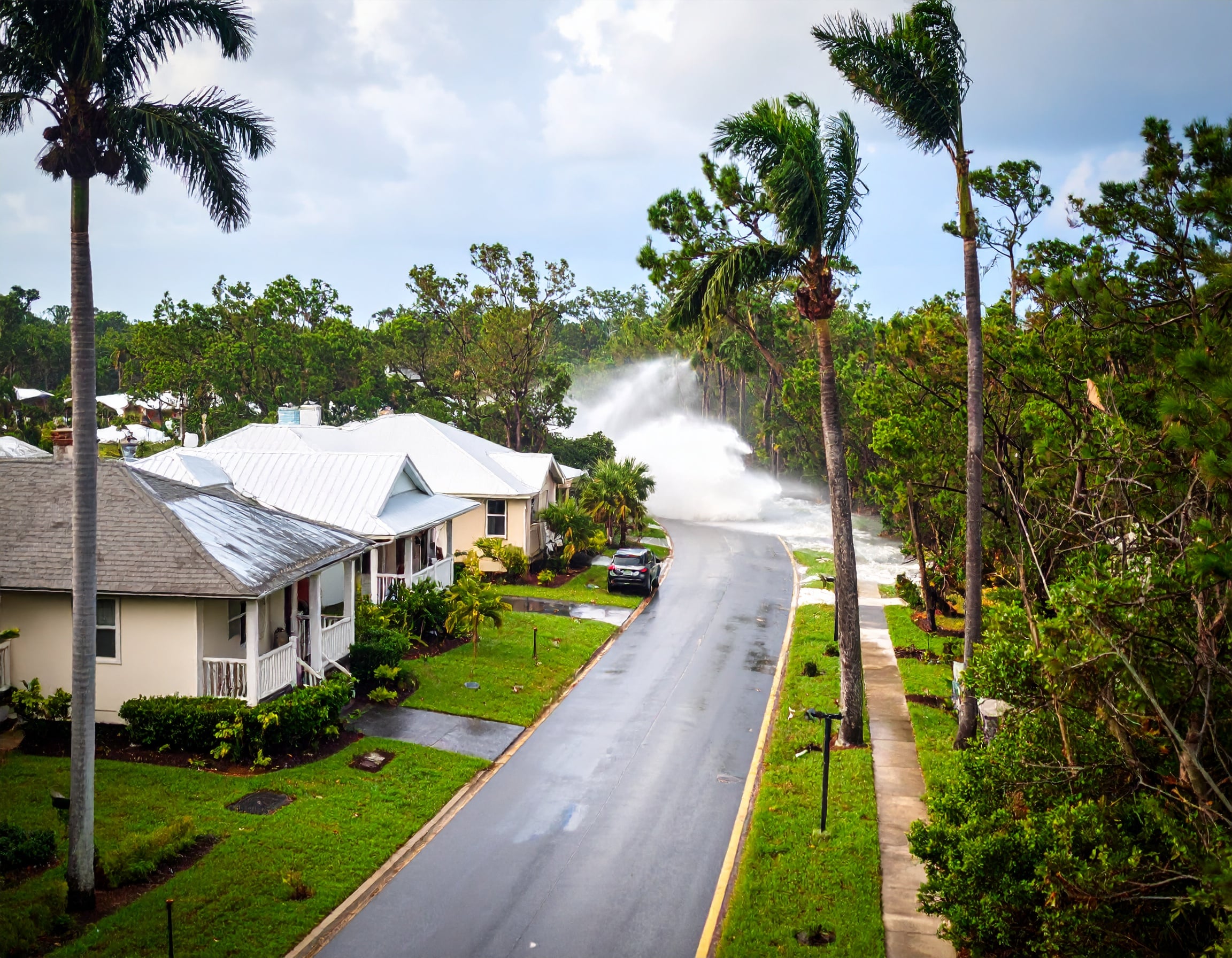
Top 10 Essential Ways to Prep Your Tampa Bay Home for the 2025 Hurricane Season
Key Takeaways
- Impact-resistant windows and hurricane-rated garage doors provide the tough, wind- and projectile-proof protection your home needs from Tampa Bay’s hurricane forces.
- Clearing gutters and downspouts helps prevent water damage and flooding, while installing gutter guards can reduce future maintenance.
- 8 Stock your emergency kit, and don’t skimp on supplies. Periodically inspect your kit so your family is prepared for extended power outages and sudden emergencies.
- Developing and rehearsing an evacuation plan keeps your family safer and lessens chaos during hurricane alerts.
- Keeping tree branches trimmed and outdoor furniture secured can minimize damage caused by high winds or storm surges lifting debris.
- Reviewing your flood insurance policy and local emergency resources prepares you for potential flooding and connects you to critical information when needed.
Prepare your Tampa Bay home for 2025 hurricane season! Take a hurricane home safety quiz, get a checklist for essential emergency supplies and learn how to fortify your home against torrential rain and hurricane-strength winds.
Local folks know how fast storms can roll in, so things like boarding up windows, clearing drains, and trimming trees make a big difference. Tampa Bay’s mix of coastal homes and older neighborhoods brings its own set of needs, from flood-proofing low spots to having a solid plan for power outages.
Identifying weak spots now reduces stress when storms begin to form. This article walks you through those top 10 easy, impactful steps, with suggestions tailored to Tampa Bay’s unique climate and culture.
1. Install Impact-Resistant Windows
Impact-resistant windows increase home damage so they’re made with fortified glass designed to withstand impacts from wind-borne debris. When choosing windows for homes in Tampa Bay, selecting windows that at least comply with, or preferably exceed, Florida’s rigorous building codes is essential.
Since local codes frequently require these windows in coastal areas, they’re not only a wise choice—they’re often required. Properly fitting these windows is key.
Second, impact-resistant glass provides the best protection against wind, rain, and flying debris that can break standard glass and expose a home to water and pressure damage. Most people take it a step further and apply a window film for additional fortification, as well as UV protection.
These films are powerful enough to stop 99% of the sun’s damaging UV rays, preventing premature fading of floors, furniture, and artwork. While the up-front cost may be greater, these windows provide benefits throughout the entire year, not just during hurricane season.
2. Reinforce Garage Doors
Reinforced garage doors reduce damage during hurricanes and other severe winds. With very few homes in the Tampa Bay region having reinforced doors, this can be a major point of vulnerability when hurricanes make landfall. Retrofitting an unreinforced garage door with one that meets hurricane standards greatly increases safety.
These doors are engineered to hold up against wind pressures up to 150 mph! Garage doors with a high R-value increase insulation values and can reduce home energy costs while making the living spaces in the home more comfortable all year long. For additional protection, horizontal reinforcements prevent doors from flexing or collapsing during storm events.
Some models even have steel bars built in, and retrofit kits are readily available at your local hardware store. Consistent inspections of garage door hinges, tracks, and rollers will ensure that your system functions seamlessly while catching issues before they escalate. Basic maintenance, such as tightening bolts or replacing frayed components, can make a huge difference.
3. Clear Gutters and Downspouts
Cleaning gutters and downspouts is crucial for hurricane preparedness, as it ensures that rainwater flows freely and helps safeguard your home’s roof and foundation. For gutters to function properly, they must be cleared of leaves, sticks, and debris, particularly after a windy rain storm. Overflow from clogged gutters can lead to leaks, roof rot, and even cracks in your foundation, which can be exacerbated during severe storms or hurricane conditions.
Downspouts need to route water at least 3-5 feet away from your house’s foundation to prevent flooding. For most Tampa Bay yards, splash blocks or flexible downspout extensions work well to direct flows away from the house. Homeowners with oak or palm trees nearby should check their gutters more frequently to avoid large build-ups that could lead to water damage during extreme weather events.
Gutter guards can help reduce maintenance, but they still require occasional inspection. Ensure that gutters are securely attached and will not be blown off in a tropical storm, which is a common risk in Florida’s high-wind events. This is particularly important during the Atlantic hurricane season when preparedness is key.
If you’re a homeowner who is concerned about getting up on a ladder for maintenance, consider hiring a professional. Safety should always be your first concern, especially when preparing for potential hurricane emergencies.
4. Stock Emergency Supplies Kit
Whether you’re forced to evacuate or not, having a hurricane preparedness kit is crucial—especially during hurricane season. Keeping a kit ready means gathering basics like bottled water, nonperishable food, and first aid supplies for everyone in the household—even pets. Plan for each person to have a minimum of one gallon of water per day, ensuring a seven-day supply for each family member. Healthy, non-perishables like canned beans, peanut butter, and granola bars are great options, as they are easy to store, don’t need a lot of preparation, and can last for years!
Battery-powered radios are essential to stay informed about changing weather and emergency alerts, especially if you lose power. Don’t forget the kit basics! Stock your family’s emergency kit with flashlights, spare batteries, a first-aid manual, tool kit, and at least 30 days’ worth of prescription medications. For families with breastfeeding parents, including a week’s worth of powdered formula is advisable. Regularly check expiration dates on food and medication to ensure you’re using fresh supplies.
Preparing in advance of storms is vital to avoid frantic, storm-chasing preparations. Having a well-thought-out evacuation plan is also an essential aspect of hurricane readiness. Ensure that everyone in your household is aware of the plan and knows the nearest evacuation zones. This will help minimize panic and confusion when a hurricane warning is issued.
In addition to stocking your emergency kit, it’s important to stay updated with forecasts and weather alerts from reliable sources. This way, you can monitor the storm’s development and understand the potential risks, particularly if you live in a hurricane flood zone. By being proactive and organized, you can better protect yourself and your loved ones during extreme weather events.
5. Create an Evacuation Plan
Second, having a plan in place provides comfort when a storm threatens. Plan several evacuation routes from your Tampa Bay residence. These routes will take you to large highways or evacuation shelters, allowing you to avoid the worst of the traffic.
For instance, see if US-19 or I-275 are still open in a traffic alert. Decide on a designated safe meeting location! Think about a local park or a family member’s home at higher elevation in the event your party becomes separated.
Review the plan with everyone in your home, from children to elderly members. Rehearse the route and meeting process several times each season so everyone is familiar and no one forgets.
Store important documents—insurance, identification, medical information—in a waterproof folder next to your point of departure. Don’t forget pets: stash a carrier, food, and water in an easy-to-grab spot.
A good plan is one that’s tailored to your household. It even has backup routes and a quick checklist to help make evacuation easier, less stressful, and safer for everyone.
6. Trim Overhanging Tree Branches
In Tampa Bay, trimming overhanging tree branches makes homes and power lines less vulnerable to storm damage. Start by examining trees near your home. Check for weak limbs, dead wood, or any branches that overhang your roof.
For instance, a big oak branch that’s less than 8 feet from a roof needs to be marked out for pruning. Hiring a certified arborist will not only ensure risky trims and full removals are done safely, but for tall or hard-to-reach trees.
Keep a clear zone of no less than 8 feet in front of your roof. Check for a minimum of 3 feet of clearance in back and on both sides. This distance decreases the likelihood that tree branches will strike the home in the event of strong winds.
Before starting any digging, Florida law requires you call 811 and wait at least two business days so crews can mark underground utility lines. Always keep all ladders and tools at least 10 feet away from power lines.
7. Secure Outdoor Furniture
Tying down outdoor furniture not only protects your home, it protects your neighbors and fellow Floridians during hurricane season. As seen in the recent strong winds that impacted Tampa Bay, unsecured outdoor furniture can become lethal projectiles. These items can lead to property damage or injury.
To reduce this risk, take smaller items indoors. This applies to cushions, potted plants, patio chairs—whatever can go into the garage or a sturdy shed should go there. Secure all outdoor furniture and items. Store them in a way that they won’t move or fall over.
Remove debris from paths and gutters to avoid flooding or clogging. For larger items such as gazebos, canopies, or heavy tables, secure with weighted anchors. On the flip side, powerful tie-down straps can prevent them from blowing away.
Inspect deck and patio furniture for any cracked or worn areas and repair or replace damaged items beforehand. Removing smaller hazards, such as toys, garden tools, and debris from the yard, will go a long way too.
Fixed costs. Insurance won’t replace damage caused by unsecured items, so taking the time to secure your possessions makes a difference.
8. Check Flood Insurance Coverage
Checking flood insurance coverage ensures that Tampa Bay homeowners know exactly how well they are protected when a storm comes knocking. Remember to look over your existing policy! Ensure that your limit is appropriate for the value of your home and covers key areas such as the structure, plumbing system, and contents within your home.
Most policies don’t cover these things, so be aware of what’s not included and what is. Even in low-risk areas, water can still inundate your home. Understand that standard homeowners insurance does not cover flood damage.
Verify your flood zone with FEMA or local city flood maps. This will assist you in figuring out whether your property needs additional coverage and whether your mortgage lender requires it. Discuss with your insurance agent any gaps or increased deductibles that may be too costly for you in the long run.
If you notice any deficiencies, make changes to your policy now so it’s prepared before the start of hurricane season. Store hard copies of your policy and proof of ID somewhere secure. Further, store them online, so they’re easy to access if you need to file a claim.
9. Test Generator Functionality
Generator test functionality ensures backup power is on when Tampa Bay storms roll in. Run your generator periodically to check that it functions properly, despite having sat for some time.
Inspect the fuel tank, replace stale gas with fresh fuel! Stale fuel can gunk up the engine and have you stranded when the grid fails. Learn the ignition process, safety interlocks, and shut-off procedures.
If your generator has a recoil start, pull the cord several times. Next, allow it to run for about five minutes. Check out the user guide for helpful illustrations or check out this short how-to video to save yourself a lot of hassle and guesswork.
For many people in Tampa Bay, owning a generator means having peace of mind. Enjoying safe use and taking preventative measures goes a long way!
10. Review Local Emergency Resources
Review Local Emergency Resources will yield genuine peace of mind going into hurricane season. Start with a solid list of contacts: local Emergency Management Offices, county law enforcement, fire/rescue, hospitals, utility companies, and your insurance agent. Tuck it away but remember to revisit it often.
It’s useful to be aware of the nearest shelters and disaster relief centers. Flooding evacuation maps and shelter information for all local emergency shelters are available on each Tampa Bay county’s emergency management web pages. Tune into local TV stations—like Bay News 9 or WFLA—for continuous storm updates and emergency evacuation notifications.
Register for your county’s emergency alert system, which can quickly deploy evacuation orders or shelter openings. Knowing who does what among local agencies is key when a crisis breaks. Understanding who runs shelters and how rescue efforts are coordinated can save valuable time.
Have a plan on hand, identify any holes in your preparation and always be aware of where the closest hospital and police station are located.
Conclusion
Preparing your home for hurricane season might require a little elbow grease, but the investment is worth it. Impact-resistant windows and wind-rated garage doors protect against wind pressure. Maintained gutters and tree heights help prevent debris from clogging up your home. A well-stocked kit and a clear escape plan will put you at ease in the event you do need to evacuate. When you have your yard gear secured and flood insurance in order, you avoid the nasty–unexpected–surprises. A generator that works and is properly fueled gives you peace of mind. These local resources provide you the most up-to-date answers for your questions. People in the Tampa Bay area understand that storms can come up quickly, but even the slightest bit of preparation can make a world of difference. Follow through on these actions, watch out for your neighbors, and be safe Tampa Bay. Wishing you a safe hurricane season—make sure to begin your preparations before the summer sizzle arrives.
Frequently Asked Questions
What are impact-resistant windows and why are they important in Tampa Bay?
What are impact-resistant windows and why are they important in Tampa Bay? These windows are crucial for hurricane preparedness as they protect your home during strong winds and enhance family safety during severe storms, especially in areas prone to hurricane conditions.
How can I reinforce my garage door for hurricane season?
Reinforce your garage door with a wind-rated model or install a garage door bracing kit to enhance your hurricane preparedness. By reinforcing your garage door, you protect it from storm damage and prevent dangerous wind pressure from entering your home during extreme weather events such as hurricanes.
Why should I check my flood insurance before hurricane season?
Homeowners insurance won’t cover flood damage, especially in specific hurricane flood zones, and there’s a good chance you aren’t covered. Check your flood insurance policy to ensure you have adequate coverage and policy limits. As an area that’s susceptible to multiple types of flooding, including tropical storms, make sure you’re properly insured to protect what matters.
What should be included in an emergency supplies kit for Tampa Bay hurricanes?
Include bottled water, non-perishable food, flashlights, batteries, a first aid kit, your medications, and important documents in your hurricane kit. Be sure to include supplies for pets and any special needs your family might require.
How often should I trim trees and branches around my Tampa Bay home?
Regularly trimming trees and branches around your Tampa Bay home is essential for hurricane preparedness, as it reduces the risk of property damage and enhances protection during severe storms and hurricane conditions.
Why is it important to test my generator before hurricane season?
Testing your generator before hurricane season is crucial, especially in areas like Hillsborough County, where power outages are common during major hurricanes. A reliable generator ensures your family remains safe and comfortable amid hurricane preparedness efforts and severe storms.
Where can I find local emergency resources in Tampa Bay?
Visit the Hillsborough, Pinellas, or Pasco County emergency management web pages for local resources and hurricane preparedness tips. Check local government websites for current evacuation zones, shelter locations, and storm information—all crucial for Tampa Bay residents during hurricane season.
Leave a Reply