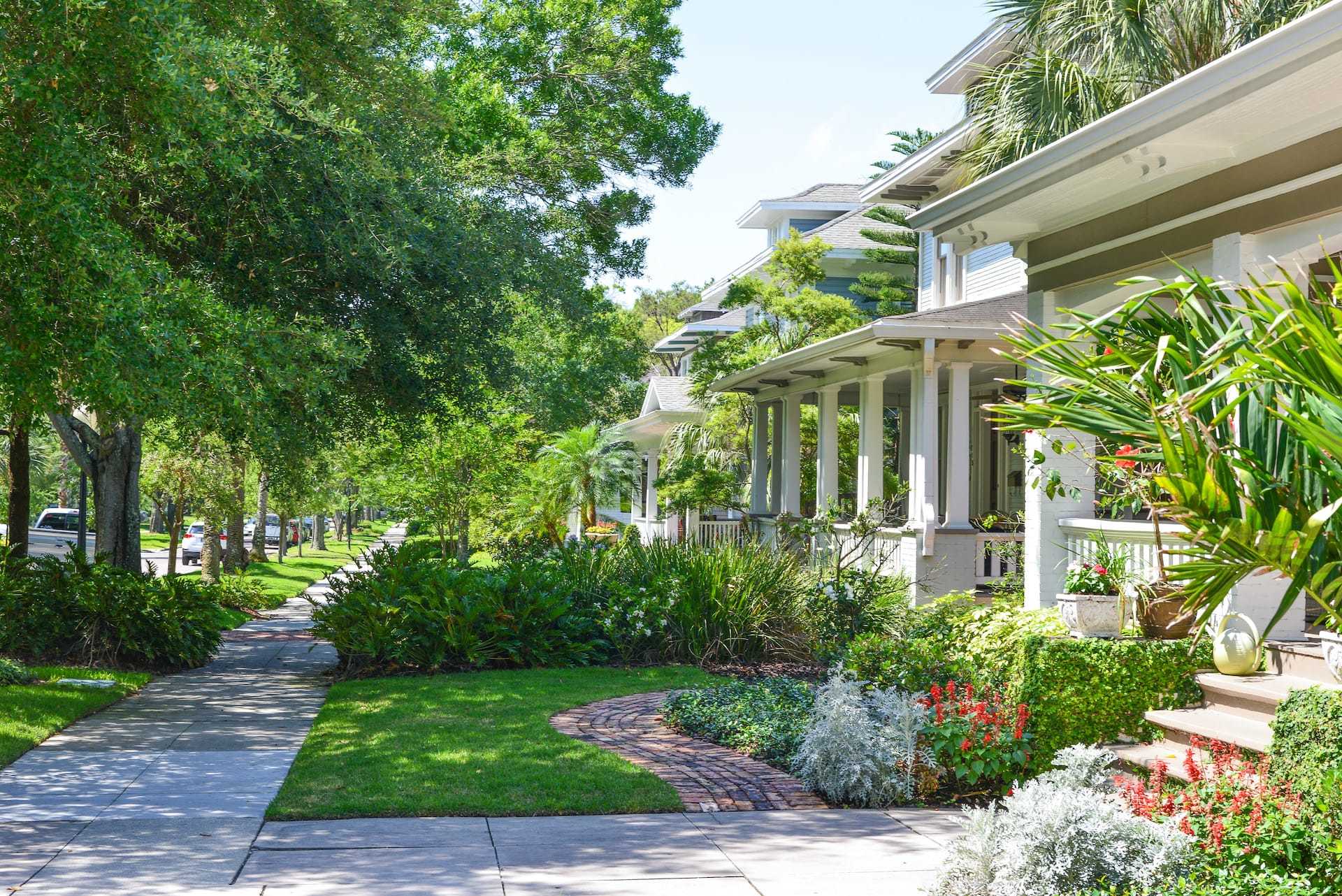
Remodeling a Historic Home in Tampa : What You Need to Know
Key Takeaways
- Understanding Tampa’s historic home designations and preservation guidelines is essential before starting any remodel, as these rules impact renovation options and property value.
- Tampa’s historic communities, including Ybor City, Hyde Park and Seminole Heights, feature one-of-a-kind architectural styles and stories. We all need to remember to treat these features with care and restore them when undertaking renovation projects.
- Homeowners must navigate local review processes, secure the right permits, and comply with city building codes—including hurricane preparedness measures—to avoid costly delays or penalties.
- While exciting, it’s expensive and often comes with unforeseen challenges when renovating historic homes in Tampa. To truly achieve a successful project, you need to budget and plan in the front end for these additional costs.
- Work closely with local architects, contractors, and preservation experts. Together, you can preserve the historical integrity of the property while integrating modern comforts and complying with city requirements.
- Finding authentic, period-appropriate materials to replace original features is important to maintaining the character of Tampa’s historic homes. It furthers the community’s cultural heritage too, since it engages expert local tradesman.
Remodeling a historic home in Tampa involves navigating original designs, municipal regulations, and Florida’s steamy climate. Many homes in areas like Hyde Park or Seminole Heights come with wood floors, big porches, and classic windows that need careful work.
The city is upfront about having strict codes regarding maintaining the external appearance and form of these residences. Local resident groups and the city’s Architectural Review Commission set strict guidelines that restrict what homeowners can modify. Though well intentioned, these regulations directly affect the cost and time to complete renovations.
Flood zones and Tampa’s unique climate create additional hurdles when it comes to storm repairs and modernization. Understanding how to best work with original materials, and when to retain or replace them, can set the tone for an entire project.
The following sections outline the big picture process and helpful hints for Tampa property owners.
What Makes a Tampa Home “Historic”?
A Tampa home becomes historic when it checks off several indisputable requirements. First, the property must be at least 50 years of age. It likely needs to show significant ties to Tampa’s cultural, social, or architectural past.
Those homes that really pop may boast intricate woodwork, stained glass, or original ironwork. These pieces are more than decorative—they serve as storytellers for the city’s development and the individuals who forged it. In just about every neighborhood, groups of historic homes and buildings continue to connect today’s Tampa to its origins.
Understanding Local Designations
In Tampa, local designations are more than just a plaque on the wall. These designations can greatly appreciate in value. They further open the door to tax benefits such as the Historic Preservation Ad Valorem Tax Exemption.
The city classifies historic homes by categories including local landmarks or properties located in historic districts. Each delineation type determines what changes property owners are allowed to make. The city’s historic preservation board reviews renovations to ensure the updates maintain the home’s historic aesthetic.
They serve as important gatekeepers to make sure that unique aspects of what makes the home special continue to exist.
Key Architectural Styles Found Here
Tampa’s streets are a feast of architectural styles, from Victorian with its characteristic wraparound porches to Mediterranean Revival’s signature red-tile roofs. Craftsman bungalows are typically characterized by low-pitched roofs with wide eaves and large, welcoming porches.
Your Art Deco houses may jump out at you with their sharp lines and colorful tiles. These architectural styles are more than just antiquated historical sites—they add vibrancy and form to each neighborhood’s contours. Maintaining them benefits everyone and helps maintain the unique character that makes Tampa such a great place to live and visit.
Why Preservation Matters Locally
Every time we preserve one of these homes, we’re protecting the city’s story in the process. It creates community pride, attracts tourists, and helps local businesses thrive.
Owners who have the means and will to restore these homes bring tremendous value to our communities. The city’s commitment to preservation reflects an admirable appreciation for Tampa’s past, as well as a vision for the city’s future.
Tampa’s Unique Historic Neighborhoods
Tampa’s unique historic neighborhoods are known throughout the state for their colorful aesthetic, architectural variety, and cultural vibrancy. These neighborhoods offer a glimpse into the city’s complex history and are critically important in defining Tampa’s character, as we know it today. Each brick bungalow, each grand Victorian home, tells a different story.
Each district is a unique representation of its style, developed over 40 years of community dedication and preservation.
Exploring Ybor City’s Legacy
Today, Ybor City is famous for its origins as a major center for cigar production which attracted immigrant workers in the late 19th century. Narrow classic shotgun houses and red brick streets distinguish this district heavily populated by teachers who appreciate its charm.
Ornate iron balconies, decorative brickwork, and arched windows are still signature architectural elements. Through the efforts of community groups and the city, these details have largely been preserved, allowing Ybor’s unique character to continue thriving.
Tampa Heights: The First Suburb
Tampa Heights, Tampa’s first suburb, features an eclectic mix of beautiful Queen Anne, Craftsman, and Colonial Revival homes that started in the late 1800s. Here, broad porches and canopies of grand historic oaks create the atmosphere.
Area preservationists continue to advocate for restoration of original woodwork, stained glass, and wraparound porches, hoping to maintain the neighborhood’s stately allure.
Hyde Park’s Elegant Past
Hyde Park, designated a National Register Historic District in 1973, is recognized for its attractive Colonial Revival and Mediterranean Revival style residences. The city’s Architectural Review Commission considers all new work to ensure it fits with the neighborhood’s historic appearance.
Recent projects have focused more on restoring historic facades and gardens, maintaining Hyde Park’s traditional upscale feel. These new additions bring a welcome contemporary pop.
Seminole Heights Bungalow Heaven
Seminole Heights is at its best with rows of early 1900s Craftsman bungalows. Rustic exposed beams, wide porches with generous overhangs, and square-tapered columns help distinguish these homes.
Residents host tours and events to highlight bungalow care, while art shows and food spots add to neighborhood pride.
Other Notable Historic Areas
Landmark structures in West Tampa, Historic Kenwood, and Old Seminole Heights provide equally compelling narratives. Each community has its own mixture of architectural styles and local gatherings.
This diversity demonstrates that Tampa’s history reaches far outside of its most popular neighborhoods.
Navigating Tampa’s Historic Rules
Remodeling a historic home in Tampa involves a lot more than aesthetic choices and budget spreadsheets. It means working within a very strict framework imposed by the city to protect the city’s history and architecture. Tampa’s historic districts, such as Hyde Park and Seminole Heights, have rules to keep the original charm of their buildings.
These standards contribute to maintaining the character and economic vitality of entire communities. Homeowners in Tampa undertaking a historic renovation project should know what they can and cannot do. Along with that, they must be sensitive to the demands placed on them by city codes and local history.
Knowing these rules, and how the community can influence them, is essential for any smart successful project to get off the ground.
1. Know Tampa’s Preservation Guidelines First
Tampa’s preservation guidelines get down to the nitty-gritty, specifying proper paint colors and window types. The city’s Architectural Review Commission (ARC) maintains a highly detailed and somewhat arcane set of standards that all homeowners in designated historic districts are required to adhere to.
These preservation guidelines are intended to safeguard the city’s historic architectural legacy. You may have to replace vinyl siding with wood clapboard. On top of that, any original features such as columns or porches often have to be preserved as well.
Failure to do so may have serious repercussions on your intended renovations and your bottom line. Generally, materials that match the originals will be more expensive and time consuming to source. Failing to understand these rules, or worse skipping them entirely, can lead to costly rejections.
Homeowners may incur stop-work orders, fines, or even be compelled to redo work that has already been accomplished. Getting the law 100 percent right is critical, but undertaking that work is not enough. It’s just as important to preserve the spirit of Tampa’s history.
2. Understand the City Review Process
The city review process is at the heart of any historic renovation in Tampa. It typically begins with an informal pre-application meeting, in which you can discuss the basics of your proposal with city staff.
Afterward, you have to provide very specific plans, such as architectural renderings and material specs. The City’s Architectural Review Commission reviews these documents to help ensure that the project is in line with preservation goals.
Getting the right, complete paperwork submitted is critical. Omissions like not mentioning type of window or roof shingle can delay review. Incomplete applications are one of the biggest reasons for delays, and the review board often will return them requesting additional information.
Each round of revisions takes significant time, so having thorough planning and full documentation prepared in advance expedites the process.
3. Identify What Needs Approval
Although not every modification made to a designated historic residence requires approval from the city, most changes made to the exterior will. Projects like replacing the roof, adding a porch, changing windows or doors, and new paint colors on the exterior all need to go through city review.
Even minor projects, such as putting up a new fence or changing out old trim, can need approval in historic neighborhoods. Their goal is to ensure that the historic character of the structures is maintained.
We keep a sharp eye on anything that might alter the appearance or character of the home. It is the original features, like stained glass windows and unique woodwork, that people so greatly covet. These elements contribute to the neighborhood’s character and charm.
Most homeowners end up hiring architects or contractors experienced with Tampa’s rules to guide them through the process and keep them from making costly errors.
4. Learn Tampa’s Specific Building Codes
While Tampa has building codes that should apply to all homes, there are additional rules for historic properties. While these codes address concerns for safety, energy consumption, and accessibility, take note of how much more wiggle room is provided to historic buildings.
For instance, you can take advantage of available ceiling heights. You can even include stair dimensions that wouldn’t qualify under new construction guidelines. Upgrades for electrical, plumbing, and fire safety do still need to meet modern standards.
That includes finding the middle ground between historic materials and new code requirements. This is a difficult task indeed when the original methods or materials in question are no longer in practice.
By working collaboratively with inspectors and utilizing accepted preservation guidelines, one can ensure that both the future public safety and the past remain in sharp focus.
5. Zoning Rules for Historic Properties
Tampa’s historic zoning districts heavily regulate the allowed uses and alterations to properties. These regulations govern the size of home additions, minimum lot size, and even the use of outbuildings.
Zoning regulations may prohibit you from building as close to the street as you’d like. They can even prescribe the maximum height allowed for a fence. Some of these zones permit mixed uses, such as adding a small business or rental unit, while others expressly forbid it.
Knowing what your property is zoned for is important to know before you plan any significant alterations. Tampa offers a variety of preservation incentives, including tax breaks and grant opportunities.
These incentives push residents to follow the rules while simultaneously protecting the unique historic character that the area’s residents love.
6. Get the Right Renovation Permits
You will need a permit for nearly any type of renovation if you’re in a historic district. This often means electrical work, plumbing, and structural changes. It extends to any changes that alter the way the home looks on the outside.
This seems obvious, but it’s critical to obtain every necessary renovation permit before any work begins. Failure to do so can result in hefty fines, stop-work orders, and potentially litigation.
Tampa’s permit office hosts very useful renovation checklists and guidance to walk homeowners through determining what they will need for their project.
7. Handling Unexpected Permit Hurdles
Homeowners encounter a lot of these permit hurdles, whether it be lost documents or a lack of guidance on permitted improvements. Typical difficulties are demonstrating that a particular new material is an appropriate substitute for the original or justifying the need for a contemporary modification.
Regular communication with city staff, thorough documentation, and preparedness to submit additional information are essential. For some projects, getting the green light takes more than the initial round of review.
Patience and persistence are essential when working through the city’s process.
8. Consider Using Permit Specialists
Many private homeowners hire permit specialists or consultants that specialize in historic properties. These specialists understand Tampa’s requirements backward and forward, and they are often able to expedite the review process.
They take care of paperwork, communicate with city staff and other agencies, and prevent expensive missteps. Hiring a specialist may represent a greater upfront cost.
Their knowledge can save you money and time in the long run by keeping projects on schedule and in line with regulations.
Tackling Common Renovation Hurdles
Remodeling a historic home in Tampa typically means encountering challenges that newer homes simply lack. Tampa’s hot and humid climate, stringent building codes, and vibrant history contribute toward creating the challenges homeowners contend with today. Careful planning, research, and the right team make a real difference when keeping the charm and strength of an old house.
Dealing with Old Bones: Structure Issues
That’s just the nature of many historic homes in Tampa, which often have their own unique structural quirks. Foundation cracks, sloping floors, past or active termite damage are all fairly typical. The intense heat and humidity quickly cause wood rot and weaken old bricks.
Prior to any work being done, it’s a good idea to have a complete inspection of the structure. Licensed engineers or restoration specialists spot trouble early, like hidden leaks or sagging beams, and tell you what needs fixing now versus what can wait.
Updating Outdated Electrical and Plumbing
It should go without saying that old wiring and pipes are unlikely to comply with today’s safety codes. Updating electrical and plumbing infrastructure turns on the lights, ensures a steady water flow, and reduces risks associated with fire or flooding.
Because modern systems use less energy and water, they save money long-term as well. Making improvements here can get costly. These costs can range widely depending on the extent of what needs to be replaced and if we have to open walls or floors.
It’s a good investment for your peace of mind.
Addressing Tampa Humidity and Pests
Historic homes in this climate contend with these pests and humidity, as well as mold. When humid outdoor air penetrates walls, and when pests have ample opportunity to enter through foundational cracks and gaps, homes become vulnerable.
Crack and gap sealing, vapor barrier installation, and quarterly pest control service make a huge difference. Continued upkeep prevents minor concerns from escalating into major fixes.
Preparing for Hurricane Season Codes
State and local laws, especially in hurricane-prone areas, often require homes to withstand high-wind, driving-rain events. For these historic properties, that might include window protection or roof improvements done in a manner consistent with the original structure.
By adhering to these codes, not only is a home’s safety bolstered, it’s historical character is preserved.
Unforeseen Issues Behind Walls
Unexpected issues arise—invisible problems like knob-and-tube wiring, asbestos, or even water damage. It’s always a good idea to set aside additional cash to address these concerns.
Time and money are wasted when the unexpected happens, so working with pros who understand Tampa’s building quirks can be a real boon.
Blending History with Today’s Living
Remodeling a historic home in Tampa requires attention and consideration. These homes are now spread out across Florida. They’re a living museum to a century of American architecture, from Craftsman bungalows in Seminole Heights to Mediterranean Revivals in Hyde Park. Striking that balance between contemporary needs and the home’s original character is what it’s all about.
Homeowners, like us, are often emotionally connected to these neighborhoods. The goal is to respect those memories while making the house functional for living in today’s world.
Respecting the Original Floor Plan
We’ve found that honoring the original floor plan is usually the best approach. Original layouts aren’t always conducive to today’s open-concept trend, but they play an important role. Almost every room has an identifiable purpose.
For their tenants, it can provide improved privacy and reduced noise. There are simple adjustments you can make to increase the movement through your space. Widening doorways or opening up archways introduce natural light while maintaining the integrity of the home’s historical features.
Preserving Key Architectural Details
Original features—whether crown molding, hardwood floors, or vintage tile—are what make these homes beautiful. Preserving these architectural touches allows the residence to continue telling its rich narrative to future tenants and homeowners.
It requires highly skilled workers to do this work, as it takes a practiced hand to match old plaster or restore stained-glass windows.
Integrating Modern Comforts Sensitively
Integrating new systems, whether it’s improved air circulation or smart technology, needs to blend with the historic aesthetic. Whether it’s concealing new ductwork where possible or choosing historic-style hardware and fixtures, the new owners can have modern conveniences while still maintaining the charm.
Minimal changes to kitchens and baths, with classic-style cabinetry and hardware that blend in can go a long way.
Choosing Updates That Complement History
Choosing the appropriate materials is important. Choosing wood, tile, or paint hues that are appropriate to the home’s original time period help updates not look jarringly new.
Most owners try to find historic photos or consult with local organizations to make it accurate.
My Take: Finding the Right Balance
Finding the balance of blending history with today’s living is a challenge all around but so rewarding. When both function and style meet, the home is restored to its full potential.
Assemble Your Tampa Dream Team
It doesn’t matter how talented you are, though restoring a historic Tampa home requires a team with exceptional talent and Tampa local know-how. Having the right mix of professionals on your team can help ensure the process is more efficient, safer, and truer to the home’s history. Work with professionals familiar with the legacy of historic Tampa buildings.
In this manner, you can honor the story of the home while meeting the needs of today.
Find Architects Experienced Locally
A local architect with experience in historic preservation has built design expertise. They understand how to navigate Tampa’s often conflicting local codes and preservation rules. Find architects who’ve had experience locally.
Look for architects who’ve designed homes in neighborhoods like Hyde Park or Seminole Heights, for instance. Their previous projects demonstrate their ability to harmoniously integrate historic character with modern development. Projects such as restoring 1920s bungalows or preserving the patina of weathered brickwork testify to their artistry and craftsmanship.
Choose Contractors Who Know Old Homes
Historic homes require contractors who understand their eccentricities. Tampa’s historic homes may have original knob and tube wiring, specialty plaster, or antique wood that’s difficult to replicate. The right experienced contractors are able to address these issues without skimping on quality.
They have an old-school approach when it’s called for and they understand how to navigate in small spaces. Having the oversight of crews trusted by local partners leads to fewer surprises and a work site that works safe and clean.
Why Local Experience is Crucial
For each project, Tampa’s unique climate, city regulations, and community preferences heavily influence the work. Local experts like TomCo Solutions understand what will stand the test of storms and humidity. Local experience is absolutely crucial.
They have a deep-seated interest in preserving Tampa’s character, because they live here as well.
Budgeting Your Historic Remodel
Setting the appropriate budget is one of the most important steps when you’re considering a remodel of an historic home in Tampa. These historic homes provide the unique charm and sense of place sought by homebuyers, but require some thoughtful planning.
An intelligent budget honors the historic legacy of the home while meeting contemporary requirements. That allows you to keep an eye on costs and avoid surprises as the project progresses.
Expect Higher Costs Than Standard Renos
Historic remodels rarely come in under budget. Old wiring, plumbing, or woodwork will require replacement with new materials, which will often require new materials that fit the original style.
From the start, you might find yourself having to hire contractors that are more experienced in preservation practices, increasing your labor costs. As an example, the restoration of stained glass or detailed wood trim is a much more time and labor-intensive skillset than modern renovations.
To avoid budget overruns, itemize costs and allocate your budget to the highest priorities first, such as restoring existing windows or flooring. Obtain itemized quotes and ensure that contractors are familiar with working on Tampa’s historic homes.
Factor In Unforeseen Expenses Now
One thing is guaranteed with old homes—there are surprises lurking. Maybe you discover outdated systems, water damage, or other structural issues.
These unexpected costs can add a lot of padding to your budget. Anticipate cost overruns. Expect to budget at least 10–20% as a buffer.
Frequent surprise expenses are having to rewire, repair concealed water leaks, or updating antiquated configurations for code compliance. Having some wiggle room in your budget allows you to address these bumps without freaking out.
Research Tampa-Specific Restoration Costs
Tampa has unique trends and costs associated with these historic renovations. Research local contractors, visit completed projects, and take advantage of city resources to understand average costs.
Organizations such as Tampa Preservation, Inc., and local realtors with a preservation focus can assist. Whether for labor or materials, always solicit multiple estimates to ensure you’re not getting gouged.
Explore Local Grants and Loans
The City of Tampa and Hillsborough County occasionally provide grants or low-interest loans to homeowners for historic preservation purposes.
These programs often provide funds to help mitigate costs associated with remodeling, including restoring original facades or repairing unique features. Review eligibility rules closely, for these usually are accompanied by strict guidelines dictating how repairs should be completed.
Check for Historic Tax Incentives
Additionally, state and federal tax credits might be available for qualifying projects. Find out which repairs are eligible and what documentation you will need.
Utilizing these can dramatically reduce your bottom line and make your historic remodel much more attainable.
Sourcing Authentic Materials Locally
Creating these spaces in a historic Tampa home remodel is like working in an environment with flexibility and constraints. Tampa’s deep history is evident throughout its historic neighborhoods, but sourcing materials appropriate to these homes can be a challenge.
Sourcing authentic materials locally is crucial for maintaining the home’s character and improving its value long-term. Authentic local materials assist in achieving the original character and aesthetic, are an economic boost to the community, and reduce shipping emissions.
Finding Period-Appropriate Fixtures
It’s not always as simple as sourcing fixtures that match the period of historic Tampa homes. Salvage yards, like Schiller’s Architectural & Design Salvage, are good for finding old windows, brass handles, and light fixtures that match the home’s style.
Local shops and specialty dealers frequently have catalogs that span hardware and fittings from previous decades. Fitting fixtures to the home’s style—be that Craftsman, Mediterranean Revival, or what have you—will help ensure that final aesthetic remains faithful to its beginnings.
Authentic fixtures, from clawfoot tubs to glass doorknobs, go a long way toward maintaining that feel and story.
Locating Reclaimed Wood and Brick
Locating reclaimed wood and brick is essential for adding character to a remodel. With their beauty and history, reclaimed materials can add warmth and depth to your creative space.
Tampa alone has a number of yards and suppliers, including Urban Twiggs in Ybor City, that carry beams, floorboards, and bricks from buildings that had outlived their usefulness. Sourcing these materials locally helps keep the renovation green.
Not only do they add layers and interest, they’re just the thing to harmonize with the home’s vintage. Usually, reclaimed materials blend in even more seamlessly and stand the test of time better than newly manufactured ones.
Working with Local Craftspeople
Qualified local craftspeople are essential for restoring decorative trim, plasterwork, or stained glass. In order to achieve authenticity, Tampa’s artisans would need to know which styles and materials best represent the city’s heritage.
Their craftsmanship and artistry does more than just leave a fine edge. Engaging local talent strengthens the local preservation economy.
Matching Original Materials Carefully
Obtaining materials that closely align with the original—such as historical paint colors or tile designs—can be difficult. You can have Tampa specialists like John Maguire match a historic paint color or track down hard-to-find tile.
Thorough due diligence and professional guidance help make sure they land in the best place, safeguarding the home’s historic integrity and value.
Conclusion
In Tampa, remodeling a historic home means much more than a new coat of paint. Old Hyde Park bungalows or Ybor City brick homes both illustrate that story. Though Tampa’s regulations may feel rigid at times, they actually go a long way to maintain Tampa’s unique character. Hiring the right remodeling contractor, using local materials, and playing to the neighborhood’s style really pays off. Even modest interventions, such as replacing in-kind wood windows or rehabilitating a dilapidated wraparound porch,go a long way to preserving beloved character. Tampa’s historic houses are repositories of memory and opportunity. Looking to take your next historic home project underwater? Engage with Tampa experts like TomCo Solutions, on the ground. Visit the historic districts and learn about what can be done for your own slice of Tampa’s history. Your next adventure might just begin at your front steps.
Frequently Asked Questions
What qualifies a home as “historic” in Tampa?
What qualifies a home as “historic” in Tampa? It might be on the local or national historic register.
Do I need special permits to remodel a historic home in Tampa?
Typically, remodeling a historic home in Tampa will need special approval by the city’s Historic Preservation Office. This will help you make sure your changes comply with local rules.
What are common renovation challenges for Tampa historic homes?
Often times the challenges are old wiring, old plumbing, and termite damage. Historic homes are a challenge because of the need to match original materials, which can sometimes be impossible.
Can I modernize the interior of a historic Tampa home?
The answer is yes! You can upgrade kitchens and bathrooms and modernize mechanical systems while still respecting the historic character. Modern comforts and convenience don’t have to come at the expense of a historic home’s original aesthetic appeal.
How do I find authentic materials for my Tampa historic remodel?
Visit your local salvage yards, specialty lumber stores, and Tampa-area architectural reclamation supply shops. Most stock period-appropriate bricks, windows and flooring.
Are there financial incentives for restoring a historic home in Tampa?
They can qualify for local or federal tax credits, and sometimes grants and reduced property taxes. Reach out to Tampa’s Historic Preservation Office to learn more about what’s available today.
Who should I hire for a Tampa historic home remodel?
Who should I hire for a Tampa historic home remodel? They know how to navigate city codes while protecting your home’s unique character.
Leave a Reply