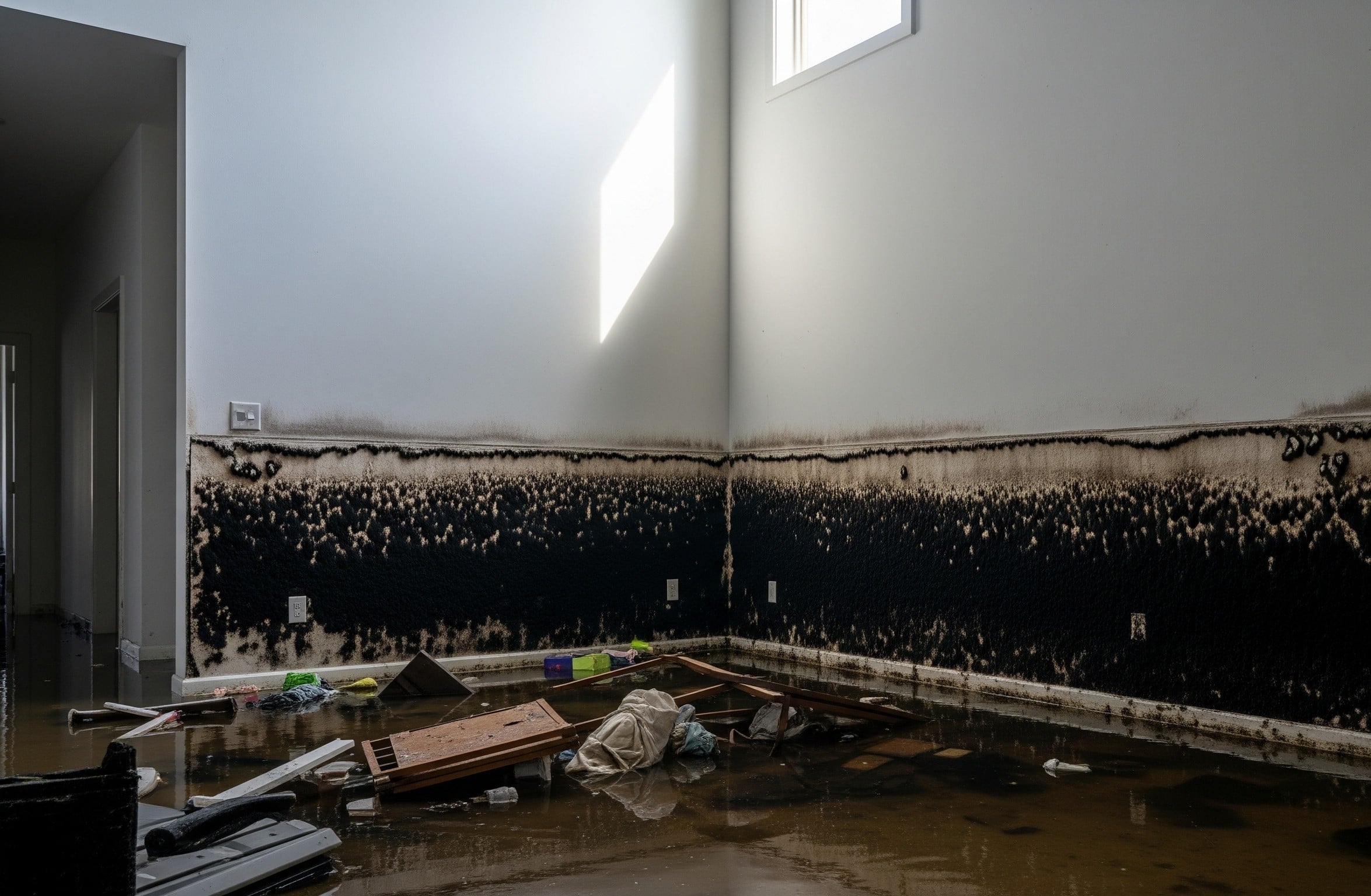
Mold Prevention After a Hurricane in Tampa: Essential Steps & Strategies
Table of Contents
After a hurricane passes through Tampa, water damage often creates the perfect environment for mold. The warm, humid climate speeds up growth, and in many cases, mold can start spreading within 24 to 48 hours. The best way to prevent mold after a hurricane is to act quickly by removing moisture and drying out your home as soon as possible.
You need to know what steps make the biggest difference in protecting your home. From spotting hidden water damage to controlling indoor humidity, small actions taken right away can save you from costly repairs later. By learning how to handle these risks, you stay in control of your home’s safety and health.
Key Takeaways
- Mold begins quickly after water damage in humid conditions
- Fast action and moisture control reduce long-term problems
- Proper inspection and cleanup protect your home’s health
Understanding Mold Risks After a Hurricane
When a hurricane passes through Tampa, the combination of heavy rain, flooding, and high humidity creates the perfect setting for mold to thrive. Mold spores spread quickly when water intrusion is not controlled, and exposure can harm both your home and your health.
How Hurricanes Create Mold Hazards
Hurricanes often cause roof leaks, broken windows, and flooding that allow water to enter your home. Once water intrusion occurs, building materials like drywall, wood, and insulation stay damp and create a breeding ground for mold spores.
Tampa’s humid climate makes drying even more difficult. Without proper airflow, moisture lingers in walls, flooring, and furniture. This trapped moisture accelerates mold growth and makes cleanup more challenging.
Common areas at risk include:
- Basements and crawl spaces
- Carpets and rugs
- Drywall and ceilings
- HVAC systems
If you do not remove wet items quickly, mold will spread beyond visible surfaces and into hidden areas. Addressing water damage promptly and improving ventilation are key steps to reducing this risk.
The 24-48 Hour Window for Mold Growth
Mold spores can begin to grow within 24 to 48 hours after water exposure. This short window means you must act quickly once flooding or leaks occur.
Drying out your home as fast as possible is crucial. Use fans, dehumidifiers, and open windows if weather allows. Remove wet carpets, furniture, and drywall that cannot be fully dried.
A simple timeline to remember:
| Time After Water Intrusion | Mold Risk Level |
|---|---|
| 0–24 hours | Low, but rising |
| 24–48 hours | High |
| Over 48 hours | Very high |
Health Effects of Mold Exposure
Mold exposure can affect your health even if you cannot see it. Mold spores travel through the air and may cause allergic reactions, asthma flare-ups, and other respiratory issues.
You may notice symptoms such as coughing, sneezing, watery eyes, or skin irritation. People with weakened immune systems, children, and older adults are especially vulnerable.
If you detect musty odors or unexplained health symptoms after a hurricane, you should have your home inspected for hidden mold growth.
Immediate Actions to Prevent Mold Growth
Fast steps after a hurricane reduce the chance of mold taking hold in your home. You need to manage water damage quickly, improve air movement, and dry out materials before moisture can spread.
Removing Standing Water and Moisture
Start by getting rid of standing water as soon as possible. Mold can begin to grow within 24 to 48 hours of water exposure if left untreated. Use pumps, wet vacuums, or buckets to clear out floodwater.
Once water is removed, focus on moisture control. Wipe down wet surfaces and use mops or absorbent towels. If the flooding is severe, consider professional water extraction services that use industrial equipment.
Check hidden areas like wall cavities, under flooring, and inside cabinets. These spaces often trap water and lead to unseen mold growth. Use a moisture meter if available to measure dampness in building materials.
Ventilation and Air Circulation
Good airflow helps lower humidity and speeds up drying. Open windows and doors when outdoor conditions are dry. Use fans to push air across damp surfaces, but avoid pointing them directly at mold growth to prevent spreading spores.
If power is available, run dehumidifiers to pull excess moisture from the air. Aim for indoor humidity levels below 50%. This makes it harder for mold to thrive.
Air conditioners also help reduce indoor humidity. Set your system to “dry mode” if available, which focuses on moisture removal. In larger spaces, position multiple fans to create cross-ventilation.
When outdoor air is humid, keep windows closed and rely on mechanical systems instead.
Drying Materials and Belongings
Soft materials like carpets, mattresses, and upholstered furniture often cannot be fully dried and may need to be discarded. Hard surfaces such as wood, tile, and metal can usually be cleaned and dried.
Remove wet drywall, insulation, and ceiling tiles since they hold water and promote mold growth. Place salvageable items in direct sunlight if possible, since UV exposure helps dry and disinfect.
Use a combination of fans, heaters, and dehumidifiers to dry belongings. Rotate items often so all sides are exposed to air. Keep track of what you throw away for insurance claims.
Damage Assessment and Inspection
After a hurricane, you need to carefully check for water intrusion, damaged materials, and hidden moisture that could lead to mold growth. A thorough inspection helps you decide what can be saved, what must be removed, and where professional help may be required.
Identifying Water Intrusion Points
Start by walking around your home’s exterior. Look for damaged roofing, broken windows, cracked siding, or gaps around doors. These areas often allow stormwater to enter and spread through walls and ceilings.
Inside, check for water stains, bubbling paint, or warped flooring. Even small leaks can create hidden moisture pockets. Pay close attention to basements, crawl spaces, and attics, since these areas often trap humidity.
Use a flashlight to inspect dark corners and behind large furniture. If you notice a musty odor, it often signals unseen water intrusion. Addressing these entry points early reduces the chance of mold spreading throughout your home.
Assessing Flooded Materials
Not all building materials respond to flooding the same way. Non-porous items like metal, glass, and hard plastics can often be cleaned and disinfected. Porous materials such as drywall, carpet, insulation, and upholstery usually need to be discarded once soaked.
When deciding what to keep or remove, consider the type of water. Clean rainwater may allow limited salvage, but floodwater mixed with sewage or debris requires removal of most porous items for safety.
Sort belongings into three groups: salvageable, questionable, and unsalvageable. Store salvageable items in a dry, ventilated space to prevent further contamination. For questionable items like rugs or furniture, professional cleaning may be needed.
Document all damaged materials with photos and videos before disposal. This record supports insurance claims and helps guide any professional remediation services.
Using Moisture Detection Tools
Moisture is often hidden inside walls, under flooring, or behind cabinets. Relying only on visual signs can cause you to miss problem areas. Tools like moisture meters and infrared cameras reveal damp spots that are not visible to the eye.
Moisture meters measure the water content in building materials, allowing you to confirm whether surfaces are truly dry. Infrared cameras detect temperature differences that signal hidden water intrusion.
You can rent these tools from hardware stores or hire a licensed inspector. Professional assessments often include moisture mapping, which creates a detailed overview of where water has spread.
Regular re-checking with these tools helps track drying progress. Keeping humidity below 50% with dehumidifiers also supports faster drying and lowers the risk of mold growth.
Effective Moisture Control Strategies
Moisture control plays a direct role in stopping mold growth after a hurricane. By reducing indoor humidity, keeping air systems clean, and sealing weak points, you limit water intrusion and create conditions that make it harder for mold to spread.
Dehumidification Techniques
You should begin by removing standing water as quickly as possible. Mold can start forming within 24–48 hours, so drying the space promptly is critical. Use wet vacuums for carpets and flooring, then set up large fans to keep air moving.
A portable dehumidifier helps lower indoor humidity to below 60%, which is the threshold for mold growth. For larger homes, consider industrial-grade units that can pull more moisture from the air.
Place dehumidifiers in areas most affected by flooding, such as basements, bathrooms, and rooms with poor ventilation. Empty the water collection tray regularly or connect it to a drain line for continuous use.
Monitor humidity levels with a digital hygrometer. Keeping track of readings helps you know when conditions are safe and when additional drying steps are needed.
HVAC System Management
Your HVAC system can either help or worsen mold problems depending on how you manage it. If floodwater reached ducts or equipment, shut the system off until it is inspected and cleaned. Running a contaminated system can spread mold spores throughout your home.
Replace air filters immediately after a storm. A clogged or damp filter traps moisture and reduces airflow. Choose filters with a high MERV rating to capture smaller particles.
Schedule a professional inspection if you suspect water intrusion in your ducts. Technicians can clean and sanitize the system, ensuring it does not circulate mold. Regular maintenance also improves airflow and keeps humidity levels balanced.
Keep vents open and unblocked so that conditioned air reaches every room. Proper circulation helps maintain even humidity and prevents hidden damp spots.
Sealing and Repairing Entry Points
Water intrusion often occurs through damaged roofs, windows, and wall gaps. After a hurricane, inspect your home carefully for cracks, leaks, or missing seals. Even small openings can allow moisture to seep in and create long-term mold issues.
Seal gaps around windows and doors with weatherproof caulk. Repair or replace damaged flashing on roofs to keep rainwater from entering. For walls, check siding and exterior paint for peeling or cracks that may let water through.
Installing vapor barriers in crawl spaces and basements adds another layer of protection. These barriers reduce ground moisture from rising into your home.
Consider upgrading to mold-resistant drywall and insulation during repairs. These materials help reduce future risks.
Mold Remediation and Removal Best Practices
Mold remediation requires careful steps to protect your health, limit the spread of mold spores, and restore safe living conditions. You need to focus on safe cleanup techniques, knowing when professional help is necessary, and handling contaminated items correctly.
Safe Cleanup Procedures
Start by wearing protective gear such as N95 respirators, gloves, and goggles. This reduces your exposure to mold spores that can irritate your lungs, skin, and eyes. Keep windows open and use fans to improve airflow, but avoid spreading spores to unaffected areas.
Use non-porous cleaning tools like stiff brushes and disposable cloths. Clean hard surfaces with detergent and water, then dry them completely. Never mix bleach with ammonia or other cleaners, as this creates toxic fumes.
Limit the work area by sealing off doors or vents with plastic sheeting. This helps contain spores and prevents cross-contamination. Drying wet materials within 24–48 hours is critical to stop mold from regrowing.
When to Call Professional Services
You should contact professional mold remediation services if the affected area is large, typically over 10 square feet. Trained specialists have equipment to contain and filter airborne spores, which reduces the risk of spreading mold throughout your home.
If mold has penetrated walls, ceilings, or HVAC systems, professionals can inspect hidden areas and remove contamination safely. They may also conduct air quality testing to confirm safe conditions after cleanup.
In cases of flood damage, hiring experts is often the safest choice. Improper handling of large infestations can worsen contamination and create long-term health risks.
Disposal of Contaminated Materials
Porous items like carpets, drywall, and insulation usually cannot be cleaned once mold has grown inside them. You should bag these items in heavy-duty plastic and seal them before carrying them out of the home.
Label bags as contaminated waste and follow local disposal rules. Some areas require special handling for mold-damaged debris.
For salvageable items, scrub hard surfaces thoroughly and dry them completely. Use dehumidifiers to keep indoor humidity below 60%. This prevents new mold growth after removal.
Preventing Future Mold Growth in Tampa Homes
Moisture control is the most effective way to stop mold spores from spreading in your home. By keeping humidity low, repairing leaks quickly, and using durable materials, you reduce the risk of mold returning after a hurricane.
Long-Term Maintenance Tips
You should inspect your home regularly for water leaks. Check your roof, windows, and plumbing at least twice a year. Even small leaks can create damp areas where mold spores thrive.
Keep indoor humidity below 50%. Use a dehumidifier in humid months and place humidity monitors in areas like basements or bathrooms. After storms, dry out wet areas within 24–48 hours to prevent mold from forming.
Clean gutters and downspouts so water drains away from your foundation. Standing water near your home increases the chance of moisture intrusion. Also, schedule HVAC inspections since contaminated ducts can spread mold throughout your house.
If you live in a flood-prone area, consider installing a sump pump or backflow valve. These systems reduce water buildup and limit conditions that allow mold to grow.
Improving Home Resilience
Strengthening your home against water damage lowers the chance of future mold problems. Inspect your roof for missing shingles and repair them quickly. Regular roof maintenance is one of the most effective ways to prevent leaks during heavy rain in Tampa’s storm season.
Seal gaps around windows and doors with weatherproof caulking. This keeps out rainwater and humid air. Insulating exposed pipes also prevents condensation, which can drip and create mold-friendly dampness.
You can also improve airflow with proper ventilation. Use exhaust fans in kitchens, bathrooms, and laundry rooms. Good airflow reduces moisture buildup and helps keep surfaces dry.
If you want more protection, consider applying mold-resistant coatings to walls and other surfaces. These coatings create a barrier that helps stop mold spores from settling and spreading after a storm.
Mold-Resistant Building Materials
When repairing or rebuilding, choose materials that resist moisture damage. Drywall designed for wet areas, such as “green board” or “purple board,” is less likely to support mold growth than standard drywall.
Flooring choices also matter. Tile, sealed concrete, or vinyl resist water better than carpet or laminate. If you must use carpet, avoid installing it in basements or flood-prone areas.
Wood framing should be treated with mold-resistant sealants. You can also use pressure-treated lumber in areas that may be exposed to moisture. For insulation, closed-cell spray foam is more resistant to water than fiberglass or cellulose.
By combining durable materials with proper installation, you create a home that is less vulnerable to mold after future hurricanes.
Conclusion
You can lower the risk of mold after a hurricane by acting quickly. Start by removing standing water, drying out your home, and running fans or dehumidifiers to reduce moisture. Mold can begin forming within 24 to 48 hours, so timing matters.
If you find small areas of mold, you may clean them with proper safety gear. Larger infestations often require professional help to ensure the problem is fully removed.
Keep these key steps in mind:
- Dry out materials such as carpets, drywall, and wood.
- Check hidden areas like attics, basements, and behind walls.
- Use protective equipment when handling mold.
- Call experts if mold spreads beyond what you can manage.
By taking these steps, you protect both your health and your home’s structure. Staying alert to moisture problems and responding quickly gives you the best chance to prevent long-term damage.
For expert assistance with mold prevention or remediation, contact ToMCo Solutions today and protect your Tampa home from future mold risks.
Frequently Asked Questions
After a hurricane, quick action helps reduce the risk of mold. You need to focus on drying, cleaning, and protecting your home while keeping health and safety in mind.
What are the first steps to take in preventing mold growth after a hurricane?
Remove standing water as soon as possible. Discard soaked items like carpets, mattresses, and upholstered furniture. Open windows and doors to improve airflow, and use fans or dehumidifiers if power is available.
How long does it typically take for mold to develop in a water-damaged home?
Mold can begin to grow within 24 to 48 hours in damp conditions. Warm temperatures and high humidity in Tampa can speed this process. Addressing water damage quickly reduces the chance of widespread mold growth.
What are the most effective ways to dry out a building following a flood?
Use wet/dry vacuums and pumps to remove water. Run dehumidifiers to lower indoor humidity and place fans to increase air circulation. Professional drying services may be necessary if water has seeped into walls or flooring materials.
Are there specific cleaning solutions recommended for disinfecting surfaces after a hurricane?
Clean hard surfaces with a mixture of water and detergent. For disinfection, use a solution that contains bleach, but never mix bleach with ammonia or other cleaners. Follow safety instructions on the label and wear gloves during use.
What precautions should be taken when returning to a home that may have mold growth post-hurricane?
Wear protective gear such as an N95 mask, gloves, and goggles. Avoid touching or disturbing visible mold until it can be cleaned or removed. If mold covers a large area, consider hiring a professional remediation service in Tampa.
How can homeowners ensure proper ventilation to prevent mold in the aftermath of a storm?
Keep windows and doors open when weather allows. Use exhaust fans in kitchens and bathrooms to remove moisture. If electricity is restored, run central air conditioning or portable dehumidifiers to keep humidity levels below 60%. For expert help with mold prevention and remediation, contact TomCo Solutions today.
Leave a Reply