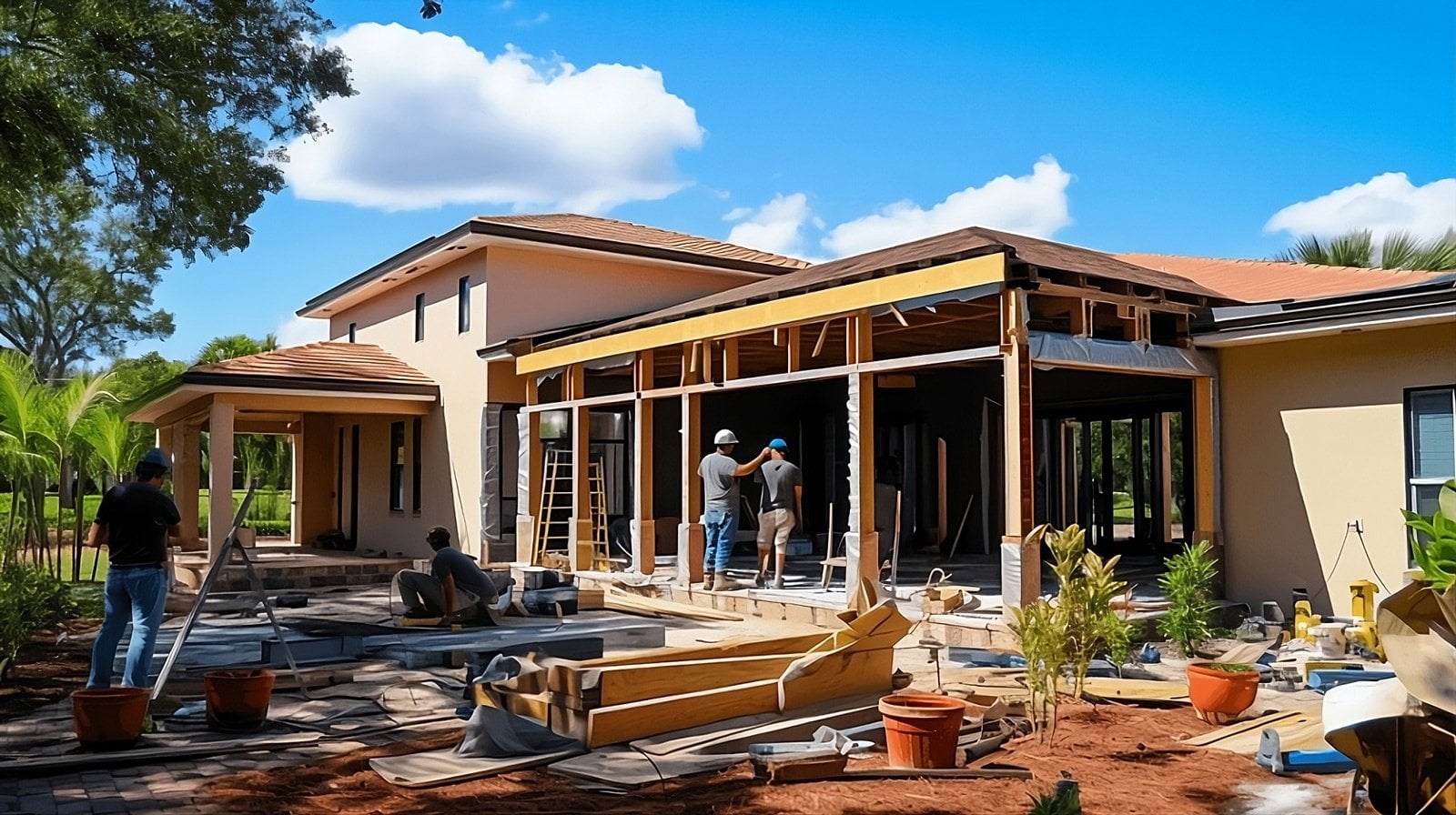
Should I build an addition or buy a new home in Florida?
Table of Contents
Key Takeaways
- Consider your lifestyle, what you need now and what you will need in the years to come when trying to answer build an addition vs buy new home. Think about things such as how much space you need, how your family may change, and your lifestyle goals.
- Evaluate your overall budget, including not only initial expenses but ongoing maintenance and operating costs along with funding sources for each option, building vs buying. This will guarantee that you’re making the best financial and economic decision.
- Dive deep into Florida’s housing landscape to get a sense of the shortage, market trends, and regional differences. High demand and limited supply can dramatically impact home prices and availability.
- Take a hard look at the communities and neighborhoods surrounding homes you’re interested in. Ensure that they match your desired tradeoffs between schools, services, safety, and overall community feel. Focus on areas that will have the best long-term growth.
- See which costs outweigh the other build additions vs new home. Additions can be deeply personal and creative endeavors, but they rarely ever make sense and it’s all due to energy efficiency, home warranties, and lower maintenance costs.
- Consult professionals for building permits, contractor selection, and financial planning to streamline your process and minimize challenges, whether building or buying.
Whether you should build an addition or purchase a new home in Florida depends entirely on your individual circumstances and finances. Think about your long-term objectives as you approach this crucial decision.
An addition is a great way to increase your space without having to deal with the hassle of a move. This choice makes the most sense if you love your current neighborhood or have strong roots in the community.
The beauty of purchasing a new home is you can finally get those modern finishes and open layouts. It provides you the opportunity for a fresh start in a new community.
Take into account property values, potential construction costs, and prevailing local real estate trends in your area of Florida. These can and should play an enormous role in shaping your choice.
In this resource, we’ll explore the advantages and disadvantages of both options. We want to help you make the smartest decision for your needs and circumstances.
Build or Buy: Florida Home Decision
Deciding whether to build an addition or purchase a new home in Florida requires careful consideration of your circumstances and priorities. Each alternative comes with its own set of benefits and obstacles. It’s important to consider these aspects in light of your own desires, finances, and long-term vision.
Building an addition can be a practical choice if you’re already in a location you love and need extra space. It gives you flexibility to adapt your home as your needs change with your life—and skip the stress of finding a new place altogether.
Though this path spares you the fiery, hyper-competitive housing market of the Sunshine State, it’ll likely still upend your must-do everyday life through years of construction.
Purchasing a new home allows you to start anew in the community where you choose. It includes all the updated amenities and energy-efficient features that embrace today’s lifestyle.
Florida’s median home building cost is $415K. This number is only marginally higher than the U.S. Median of $412,100 for existing homes. The cost of new construction is usually higher than that of purchase because of the costs of land, labor, and materials.
While existing homes may initially appear more affordable, their lower inventory availability and possible renovation needs may further cloud the consideration. New builds come with warranties against defects for as long as 10 years, giving you long-term confidence.
Ensure your decisions create synergy between your budget and lifestyle priorities. That way you can be sure you’re getting the best outcome for you and your family.
Understand Florida’s Housing Market
A healthy Florida’s housing market is critically important to our state’s economy. While the new landscape is fraught with challenges, it opens new doors for homebuyers and builders alike. With a growing population and competitive investment returns, understanding market dynamics is crucial before deciding between building an addition or purchasing a new home.
Current Market Conditions Overview
From that perspective, Florida’s housing market is remarkable in its frenetic growth, as increasing average home prices hotly contested FDOT secretary suppressed. Between 2010 and 2020, home prices increased cumulatively by 90%, far exceeding the rate of increase in nearly every other metropolitan area in the U.S.
Florida’s influence as the third-largest residential market in the country is quickly growing. Much of this growth is borne on the backs of an astounding 2.7 million population increase between 2010 and 2019. Inventory shortages further intensify competition, raising prices and making it more difficult for buyers to afford a house.
For example, in 2020 during the pandemic, more than 310,000 of those single-family homes were sold on the condition, a 5.8% year-over-year increase. These numbers paint a picture of an extremely competitive, high-demand market where timing and strategy make all the difference.
Inventory Challenges in Florida
The lack of housing inventory continues to be one of the biggest issues, with an all-time low of existing homes for sale. Reduced competition creates bidding wars, which only drives up prices.
Buyers looking for options should look in neighborhoods with more robust inventory or consider neighborhoods where they can build a custom home. Building new homes poses its own challenges, like increased material costs and long construction timelines.
Renovating existing homes presents a realistic solution. Get ready for big surprises on improvements, because HVAC systems and replacement roofs can cost $5,000 to $25,000, pushing total costs higher.
Regional Market Variations
Real estate trends vary widely across Florida’s regions. Major cities like Miami and Orlando often feature higher prices and demand, while rural areas may provide more affordable options.
Local amenities, job growth, and economic factors significantly influence property values, making research essential when evaluating neighborhoods.
Addition or New Home: Key Factors
All in all, determining whether to invest in an addition or buy a new home in Florida means weighing some key considerations. Each option offers distinct benefits, depending on your needs, financing, and goals for the future.
Building an addition can be cost-effective but may require significant investments for structural upgrades, such as seismic or wind resistance enhancements, especially in Florida’s hurricane-prone areas. New homes—though on average 10-20% more expensive up front—typically come with warranties that safeguard against defects and end up costing less in out-year maintenance.
New creations give them the potential to be much more tailored, from the layout down to including energy-efficient technologies. Additions should blend seamlessly with the existing home to avoid mismatched designs.
Building out can mean a big interruption in daily life with noise and construction delays. Buying a new home provides a faster answer—all the more so if you have a short timeline to move.
Home additions increase property value when done thoughtfully. Consulting a Realtor can help identify if the value added is worth the investment.
1. Evaluate Location and Lifestyle
Florida’s uniquely different regions provide different opportunities. Look at how distance to schools, jobs, activities affects everyday life and schedule.
Safety within the neighborhood, sense of community, and potential for future development are essential factors.
2. Analyze Financial Implications
Consider the initial investment, property taxes, and reduced energy costs due to efficiency improvements.
Conversion logistics can also be a concern. For example, legacy homes may need new roofs or HVAC systems, incurring hefty costs.
3. Consider Future Family Needs
Plan for future needs such as a growing family or moving elderly parents in with you. An addition can provide flexible spaces that adapt to changing needs.
Resale value rests on a successful and intentional design.
4. Assess Neighborhood Preferences
Evaluate schools, crime rates, local amenities, and community engagement.
5. Factor in Personal Preferences
Account for emotional attachments to your current home, as well as how much flexibility you want in personalizing your new space.
Financial Comparison: Build vs. Buy
When deciding whether to build an addition or purchase a new home in Florida, understanding the financial implications is crucial. Each option has unique costs and long-term consequences that can drastically impact your cash flow and value of investment.
| Aspect | Building an Addition | Buying a New Home |
|---|---|---|
| Initial Costs | Lower upfront costs for materials and labor, typically between $85-$250 per square foot depending on design and location. | Higher upfront costs, with median prices around $426,300 for new construction or $404,500 for existing homes. Builders often require 10% upfront. |
| Long-Term Expenses | Maintenance depends on existing structure. Older homes may need roof replacements ($5,000-$25,000) or HVAC updates (up to $10,000). | New homes come with warranties but HOA fees are common (66% of new homes). |
| Resale Value | Adds square footage, boosting home equity but depends on market trends and addition quality. | Newer homes generally have higher resale appeal and modern features. |
| Financing Options | Home equity loans or personal loans are typical. | Mortgages with potential down payments of 5%-20%. |
Initial Costs Breakdown
Building an addition often has relatively low upfront costs, with construction costs varying significantly depending on size and materials selected. Unforeseen expenses such as additional permits and unexpected structural alterations can quickly escalate the costs.
Buying a new home, especially in Florida’s competitive market, requires a significant upfront investment, whether purchasing new construction or an existing property. Typical builders might require a 10% down payment, but that typically comes with long-term warranties on both structural integrity as well as quality of workmanship.
Long-Term Expenses Analysis
If the older homes are upgraded by adding new square footage, they will incur the added maintenance burden. Roof replacements or electrical upgrades, for example, are needed years down the line and may not be accounted for initially.
On the flip side, newer homes usually have less maintenance in the near term, but HOA dues are a common additional cost.
Resale Value Considerations
While additions are a good way to build equity in your home, their return on investment often hinges on execution and buyer sentiment. Newer homes perennially lure buyers with shiny new appliances, open spaces, and cheaper utility bills thanks to energy-efficient designs.
Financing Options Explored
Typical financing methods for additions are home equity loans or personal loans. Yet, approval for these loans depends on your credit score and current mortgage.
Buying a house provides traditional mortgage lending pathways, but down payment and interest rate requirements are not standardized.
Building an Addition: What to Know
Constructing an addition to your Florida home provides an influential solution to expand your home’s living space. It improves your home’s usefulness, too, and increases the overall value of your property. Do just that, and serve the needs of your burgeoning family with thoughtful, strategic planning.
Having your needs integrated into your home improves your quality of life and increases happiness.
Florida Building Codes and Permits
Florida has strict building codes to address safety concerns, especially for hurricanes and tropical storms. Whatever the addition, it likely needs to meet these rules, which sometimes need permits you pick up from your community building department.
For instance, if you’re building a second story, structural reinforcements will likely be needed to ensure your addition is safe and stable. Consulting with a knowledgeable architect can help you navigate these requirements while integrating key systems like plumbing and electricity seamlessly.
Contractor Selection Tips
Choosing the right contractor is extremely important. Seek out licensed design professionals accustomed to working with Florida’s unique climate-related challenges.
Check reviews, get references, and make sure you have a contract that clearly outlines expected timelines and costs to avoid disagreements down the road. A contractor who knows the local codes and permits can help make the process quick and easy.
Potential Renovation Challenges
Whether it’s the construction/site disruptions, unforeseen delays, or tight property lines, there’s a myriad of challenges. For less deep or more compact lots, a second-floor addition is a perfect match.
Do get ready for involved structural modifications that might push the schedule back to 9-12 months.
Budgeting for Home Additions
Home additions are no small investment, so it’s important to establish a reasonable budget. Be sure to factor in costs such as materials, labor, permits, and include a cushion for surprise costs.
Managing Remodeling Stress
Make preparations for the inconvenience. Setting clear expectations with your contractor and being understanding that things may take longer than expected will ease a lot of stress.
Buying a New Home: Advantages
When deciding whether to build an addition or buy a new home in Florida, considering the benefits of purchasing a new property can provide clarity. A new home will have features designed specifically to increase efficiency, save time, and lower costs in the long run.
Energy Efficiency and Sustainability
Energy efficiency is a primary concern for new homes, thanks to advanced construction techniques and building materials. With better insulation, efficient windows, and improved heating and cooling systems, new homes allow you to enjoy a consistent temperature and save money on your energy bills.
Plus, many new developments are taking major steps to include environmentally conscious practices, such as offering solar panel options or utilizing sustainable landscaping. These eco-friendly features save you money and help you live comfortably in your new home.
Reduced Maintenance Costs
Newer properties demand little maintenance compared to traditional homes. Home buyers will appreciate the lack of frequent plumbing, electrical, or roofing repairs due in part to updated or new systems installed.
In the long run, this saves you money and worry. Newer homes have newer building codes, meaning you can feel good about safety and compliance without the expensive retrofitting.
New Home Warranties Explained
Most new construction homes have warranties on major systems and structural aspects of the home for at least the first few years. A warranty goes a long way.
For instance, a 2-year limited warranty typically covers mechanical systems such as plumbing and HVAC. These warranties offer incredible peace of mind—you’re protected from surprises, and your investment is protected.
Time Savings with New Construction
New homes are move-in ready, saving the time you’d spend otherwise on renovations or repairs. Most of these developments come with new amenities, like gorgeous resort-style swimming pools and community centers.
Together, these amenities foster a lifestyle-driven sense of place rooted in accessibility and recreation that prospective buyers crave.
Older Homes: Renovation Considerations
When deciding between building a new home or renovating an older one in Florida, understanding the potential challenges and costs of upgrading an older property is crucial. Older homes may provide the appeal of vintage character and well-grown neighborhoods, but can conceal expensive repair obligations. Let’s look at the main considerations to keep in mind.
Structural Repair Needs
Older homes can be hiding serious structural problems, like cracked foundations or sagging floors. The cost of addressing these concerns can vary greatly from small fixes of a few hundred dollars to major repairs of over $10,000. For example, repairing foundation issues usually requires hiring expensive specialty contractors.
Roof Replacement Costs
Even heartier investments, like roof replacement are major, which points to their concern over such investments in an older home. Costs for a new roof usually range from $7,000 to $25,000, depending on the size and materials used.
Florida’s weather, including hurricanes, makes it essential to choose durable materials like metal or architectural shingles, which can increase costs further.
Electrical System Updates
Another major electrical danger is outdated electrical systems often found in older homes, creating serious safety hazards. To restore the system to current design standards, it can be nearly $20,000.
This includes rewiring and installing circuit breakers to handle today’s energy demands, especially if you plan to add appliances or upgrade lighting.
Plumbing System Overhaul
Old plumbing systems in historic homes usually need partial or total replacement. Replacing problematic galvanized pipes or upgrading piping with newer materials can run from $1,500 for small repairs to more than $4,000 for major replacements.
The final price will vary based on the age and configuration of your house.
HVAC System Replacement
Poor air flow from an inefficient HVAC system impacts comfort and energy bills. Just to replace an outdated system, that will run you about $10,000.
Ductwork might need to be replaced, too, particularly in houses where central air has never been in originally.
Customization: Tailor to Your Needs
Choosing between building an addition or purchasing a new home in Florida often comes down to how well the option fits your specific needs. Customization acts as a double-edged sword, affecting everything from initial design, cost, and execution to the long-term value.
Custom Home Design Options
A new home provides almost endless design and planning opportunities. From floor plan to materials, each detail and feature can be finely designed to suit your tastes.
Yet building a custom home can take months if not years to come to fruition. The cost per square foot in Florida averages between $150-$300+ per square foot, depending on materials chosen and location of home.
This option gives you complete control, but it takes significantly more time, patience and upfront investment than additions do.
Personalization Benefits of Additions
Additions let you create more livable space and customize your home. Adding a second floor presents an opportunity for additional bedrooms.
You can innovate, too, adding distinct design elements such as a sunroom or observation area. With our years of experience, we’re able to create renovations that fit your style to a T.
This makes for a seamless integration with what you already have in place. A well-planned $300,000 renovation could increase your home’s value significantly, often by hundreds of thousands of dollars, making it a cost-effective alternative.
Importantly, non-CAP improvements—such as repainting lane markings—are much faster to implement than an entire construction project.
Balancing Cost and Customization
We help clients analyze neighborhood data to determine the most practical choice. So if your home was valued at $800,000, having a $1 million rebuild would increase its value to $2.5 million.
A $300,000 addition would increase it to $1.2 million. Beyond curating your project with the highest standards, we further connect you with builders you can trust to set true budgets.
New homes typically see lower insurance rates, often as much as 80% less, thanks to stringent safety codes. This makes them financially attractive.
TomCo Solutions: Your Florida Partner
When deciding between building an addition or purchasing a new home, having the right partner can make all the difference. TomCo Solutions is a licensed residential contractor located in Tampa that serves Tampa and the greater Tampa Bay area.
We focus on residential additions that help address Florida’s critical housing needs. We take care of it all – planning, design, permitting, and putting it into construction – we handle every stage from beginning to end. This ensures that your project remains simple and completely customized to your vision.
Home Addition Estimate Requests
At TomCo Solutions, we offer free consultations and project quotes to give you a better idea of the feasibility of your project. Planning to build an ensuite main bedroom or widen your cramped kitchen? Our dedicated team will arm you with achievable cost projections and comprehensive timelines to guide you at every turn!
Contact Us for Expert Advice
We do much more than address standard home improvements. Our focus is on assisting Floridians with their hurricane repairs, from massive storms such as Hurricane Milton and Helene.
Count on us to make your Florida home a place of shelter, healing, and fortitude. Reach out to TomCo Solutions today for straightforward counsel and a transparent path forward.
Conclusion
Ultimately, the right option for you will depend on your unique goals, budget, and lifestyle preferences. Either choice presents distinct advantages. An addition provides you with the option to remain in your established neighborhood and still create more space that’s better suited to your current needs and lifestyle. Purchasing a new home provides you with a true fresh start, including modern features and amenities and room to expand as your family needs change.
Getting a grip on Florida’s housing market and costs is imperative. Whether you’re looking to build an addition or buy a new home, good planning sets you on the path to make the best decision.
We’re here to help If you’re unsure, TomCo Solutions provides expert support. We want to help you every step of the way to ensure a smooth, hassle-free experience. Contact us today and take the first step toward your ideal Florida home.
Frequently Asked Questions
Should I build an addition or buy a new home in Florida?
Building an addition If you love your home’s location but need more space, going the addition route allows you to customize your house exactly how you’d like it. Take into account budget, time requirements, location, and delivery method before making a judgment.
What are the key factors to consider when building an addition?
Here are some major considerations
- Budget
- Zoning laws
- Availability of contractors
- Ability of your home’s existing structure
Is it cheaper to build an addition or buy a new home in Florida?
Building an addition tends to be less expensive in the short term. The long-term value might be greater with buying a new home, given Florida’s competitive housing market. Calculate costs side-by-side.
What are the advantages of buying a new home?
A new home will have modern finishes, energy efficiency, and lower maintenance. This works out best if you are looking for a move-in-ready home in a different neighborhood or an area with a higher quality of life.
Can I customize a home addition to fit my needs?
Yes, building an addition allows you to design a space tailored to your specific needs, from extra bedrooms to home offices. It’s an affordable, flexible long-term housing solution for multigenerational or growing families.
Are there risks to renovating older homes in Florida?
Yes, older homes come with hidden risks like old wiring, mold, or damage to the structure. Checks of structural integrity, major systems, pests, etc., are very important to protect against surprise expenses once renovations begin.
How can TomCo Solutions help with my Florida home decision?
TomCo Solutions, LLC provides expertise in Florida real estate and construction. No matter which path you take, building or buying, our renowned specialists will be by your side, with individualized recommendations and proven services tailored to your journey.
Leave a Reply