TomCo Solutions

Category: Home Remodeling

  • When Can That Wall Come Down? The Structural Engineer’s Role in Renovations

    When Can That Wall Come Down? The Structural Engineer’s Role in Renovations

    Almost every renovation conversation in an older Tampa Bay home arrives at the same sentence: “Can we take this wall out?” The kitchen is boxed in, the dining room is separate, and one wall stands between the house you have and the house you want.

    The answer is usually yes, and it is never a guess. Here’s how to know whether a wall is doing work, what replaces it if it is, and why the engineer’s drawing is the step that protects your home and your permit.

    Key Takeaways

    • A wall can carry roof load, floor load, wind load, or nothing at all. Appearance doesn’t tell you which.
    • Load-bearing walls can be removed when a properly designed beam and posts take over their job, with the load carried to the foundation.
    • In Tampa Bay, structural changes require a permit and, in nearly every case, a licensed engineer’s sealed design.

    What Walls Actually Do

    Every home has a load path: the route that weight and wind forces travel from the roof, through walls and beams, into the foundation. Walls in that path are load-bearing. Walls outside it are partitions that simply divide space.

    Signs a wall may be bearing:

    • It runs perpendicular to the roof trusses or floor joists above
    • It sits near the center of the house, where trusses or joists may bear at mid-span
    • It’s an exterior wall (all exterior walls carry load, and in Florida, wind load)
    • Posts or beams in the attic land on it
    • It aligns with a wall or beam on the floor below in a two-story home

    Signs a wall may be a partition:

    • It runs parallel to the trusses above
    • The trusses above clear-span the full width of the house without bearing on it
    • It stops short of the ceiling or has an obvious later-addition look

    None of these signs is conclusive. Florida homes built with clear-span trusses often have no interior bearing walls at all; homes built with conventional framing or with girder trusses often do. Only inspection in the attic and, sometimes, opening the wall confirms it.

    Wind Load Is the Florida Twist

    Elsewhere, “load-bearing” mostly means gravity. In Tampa Bay, walls also resist wind. Exterior walls and certain interior walls act as shear walls, bracing the structure against lateral forces. Removing or cutting large openings in these walls, even for a big window or a wide slider to the lanai, affects the home’s wind resistance and requires engineering.

    This is why “it’s just a window enlargement” still generates a permit and an engineered detail in our region.

    What Replaces a Bearing Wall

    When a bearing wall comes out, a beam carries the load across the new opening and posts at each end carry it down. The engineer designs:

    • Beam size and material. Engineered lumber (LVL), steel, or a flush beam concealed in the ceiling versus a dropped beam below it.
    • Posts. Built-up wood or steel columns, sized for the concentrated load.
    • Bearing below. The posts’ load must reach the foundation. Sometimes the existing slab or footing is adequate; sometimes a new footing or a thickened slab is required.
    • Connections. Straps, hangers, and anchors that tie the new beam into the wind load path.
    • Temporary shoring. How the structure is supported during the swap.

    A flush beam gives the seamless ceiling homeowners want but requires more depth above and more careful framing. A dropped beam is simpler and can be finished as an intentional architectural element.

    The Permit and the Seal

    Structural changes require a building permit in every Tampa Bay jurisdiction. Building departments generally require signed and sealed drawings from a licensed engineer for beam replacements, opening enlargements, and anything that alters the load path. Florida law does not require an architect for single-family residential design, but the structural engineer’s seal is not optional here. Our guide to architects versus engineers explains the roles.

    Skipping the permit creates real problems:

    • Insurance claims can be denied for unpermitted structural work
    • Buyers’ inspectors flag it at sale; you may have to open walls to prove the work
    • The home may not perform as expected in a storm
    • Code enforcement can require removal or re-engineering

    Other Changes That Need an Engineer

    Beyond wall removal:

    • Enlarging windows or adding sliding doors in exterior walls
    • Raising or vaulting a ceiling, which affects truss or rafter design
    • Adding a heavy element: a large stone island, a hot tub on a lanai, a rooftop deck
    • Cutting into trusses for HVAC, attic access, or a skylight (never do this without engineering)
    • Second-story additions or bump-outs
    • Repairing storm damage to the roof structure

    What the Process Looks Like

    1. Assessment. The contractor and engineer inspect the attic, the wall, and the foundation. Sometimes a small exploratory opening is made.
    2. Design. The engineer produces a sealed drawing showing the beam, posts, footings, and connections.
    3. Permit. The drawing is submitted with the renovation permit.
    4. Shoring. Temporary supports carry the load while the wall comes down.
    5. Installation. Beam and posts are set, connected, and inspected before they’re concealed.
    6. Finish. Drywall, ceiling, and floor repairs erase the evidence.

    For a single wall in a one-story home, the structural work itself often takes a few days once materials are on site. The design and permitting steps take longer than the work.

    Frequently Asked Questions

    How can I tell if my wall is load-bearing?

    You often can’t from inside the room. The attic, the direction of trusses, and sometimes an exploratory opening tell the story. Have a contractor or engineer look before you plan around removal.

    Can I remove a load-bearing wall?

    Almost always, with an engineered beam and posts carrying the load to the foundation. The question is the cost and the ceiling result, not whether it’s possible.

    Do I need an engineer if the wall isn’t load-bearing?

    For a true partition, not usually. For any exterior wall or any wall whose status is uncertain, yes. In Florida, wind bracing makes more walls structural than homeowners expect.

    Will removing the wall leave a bump in the ceiling?

    A flush beam concealed above the ceiling avoids it, if there’s room in the attic or floor structure. A dropped beam is visible but can be a design feature.

    What does it cost?

    It depends on the span, the beam type, whether new footings are needed, and the finish work. Short spans with adequate existing foundations are modest projects; long spans in steel with new footings are substantial. Get the engineering done first so pricing is based on the real design.

    Does a permit really matter for one wall?

    Yes. It protects your insurance coverage, your resale, and your safety in a storm. It also confirms the work was inspected before it was covered up.

    Open Up the Right Way

    An open floor plan is one of the most valuable changes you can make to an older home, and it’s entirely achievable when the structure is respected. TomCo Solutions coordinates engineering, permitting, and construction for whole-home renovations and kitchen projects across Tampa Bay.

    Schedule a private 30-minute consultation or call (813) 922-2299.

  • Finishes That Survive Florida Humidity: Floors, Cabinets, and Counters

    Finishes That Survive Florida Humidity: Floors, Cabinets, and Counters

    Interiors that look flawless in a design magazine photographed in Arizona can fail within a few years in Tampa Bay. Our climate is relentless: high humidity nine months a year, salt in the air near the water, sudden water from a roof leak or a storm, and air conditioning that cycles moisture in and out of every material.

    Choosing finishes for Florida means choosing for how they’ll behave in August, not just how they look in the showroom. Here’s what holds up and what doesn’t.

    Key Takeaways

    • Dimensional stability under humidity swings is the first test for any wood product.
    • Porcelain, quartzite, quartz, and factory-finished materials dominate the durable end of the spectrum.
    • The invisible layers, such as underlayment, sealers, and ventilation, determine how long the visible ones last.

    Flooring

    Large-format porcelain tile. The workhorse of Florida floors. Non-porous, unaffected by humidity, recovers from standing water, and now available in convincing wood and stone looks. Larger formats mean fewer grout lines. Choose a slip-rated finish for baths and lanais.

    Luxury vinyl plank (LVP). Waterproof cores handle moisture that would destroy laminate. Quality varies enormously; choose thicker wear layers and rigid cores, and install with the manufacturer’s expansion gaps, since even waterproof planks expand in heat.

    Engineered hardwood. Real wood over a stable plywood or composite core. Far better than solid hardwood in humidity, but still wood; keep indoor humidity controlled, acclimate the material before installation, and avoid it in baths and laundry rooms.

    Natural stone. Travertine and limestone have a long Florida history. They’re beautiful, cool underfoot, and need periodic sealing. Polished marble is slippery when wet and etches from acids; use it thoughtfully.

    Avoid: solid hardwood on a slab, laminate in any room that might see water, and wall-to-wall carpet on ground floors in flood-prone areas.

    Cabinetry

    Cabinets are the largest wood investment in most homes and the most vulnerable to humidity.

    • Factory-applied finishes. Catalyzed conversion varnish or similar factory finishes seal wood far better than site-applied paint or stain. This is the single most important specification.
    • Construction. Plywood boxes resist moisture better than particleboard. If MDF is used for painted doors (it’s stable and paints beautifully), edges must be sealed.
    • Species. Rift-cut white oak, maple, and walnut behave well when finished properly. Wide solid-wood panels move more than veneered ones; five-piece doors are designed to accommodate that.
    • Hardware. Soft-close hinges and slides in corrosion-resistant finishes. Near the coast, ask about coastal-rated hardware.
    • Ventilation. Cabinets under sinks and around dishwashers need good sealing and, ideally, a moisture-resistant liner.

    Outdoor kitchens are a separate matter: marine-grade polymer, stainless steel, or masonry, never wood.

    Countertops

    Material Humidity Water Heat Maintenance
    Quartz (engineered) Excellent Excellent Avoid direct high heat None
    Quartzite (natural) Excellent Good, sealed Excellent Periodic sealing
    Granite Excellent Good, sealed Excellent Periodic sealing
    Porcelain slab Excellent Excellent Excellent None
    Marble Excellent Etches, stains Good Frequent sealing, accepts patina
    Butcher block Moves with humidity Poor unless oiled constantly Poor High
    Concrete Good Sealed Good Sealing; can crack

    Quartz can discolor in direct sunlight over time, which matters for outdoor kitchens and for counters beside large windows. Porcelain slabs and natural stone don’t have that issue.

    Paint and Wall Finishes

    Humidity and paint have a complicated relationship. Choose:

    • High-quality acrylic latex with mildew-resistant additives for interiors, in eggshell or satin for washability
    • Bath and kitchen formulations specifically designed for moisture
    • Limewash and plaster finishes, which are breathable and have a natural resistance to mold, for the textured look that’s current
    • Exterior elastomeric or 100 percent acrylic coatings on stucco, which bridge hairline cracks and shed water

    Wallpaper needs excellent ventilation; in baths, choose vinyl or specifically moisture-rated products, or skip it.

    Trim, Doors, and Millwork

    • PVC or composite trim for anything exterior or in wet areas. It doesn’t rot, swell, or feed termites.
    • Solid-core interior doors for sound and stability; hollow doors warp more easily.
    • Fiberglass or aluminum-clad exterior doors over wood.
    • Finger-jointed primed pine is acceptable for interior trim in conditioned spaces; keep it away from water.

    The Invisible Layers

    Finishes fail because of what’s behind them:

    • Humidity control. A home held at 50 percent relative humidity protects every material in it. Dedicated dehumidification is worth more than any finish upgrade.
    • Vapor barriers and slab moisture. Floors on a slab need a moisture test and appropriate underlayment or adhesive.
    • Waterproofing behind tile in showers and wet rooms, per our luxury bathroom guide.
    • Ventilation. Bath fans that exhaust outside, range hoods sized to the cooktop, and an attic that’s sealed or properly vented.
    • Sealers. Natural stone and grout need them, on a schedule.

    Frequently Asked Questions

    Is hardwood flooring a mistake in Florida?

    Solid hardwood on a slab is risky. Engineered hardwood with humidity control is a reasonable choice for living areas. Porcelain in wood looks removes the risk entirely.

    Do painted cabinets hold up in humidity?

    Factory-painted cabinets with a catalyzed finish hold up well. Site-painted cabinets are more prone to softening, chipping, and yellowing.

    Quartz or quartzite for a Florida kitchen?

    Both perform well indoors. Quartz needs no sealing but can discolor in strong sunlight and under very hot pans. Quartzite handles heat and sun but needs periodic sealing. The choice is aesthetic and maintenance preference.

    What flooring is best for a home that might flood?

    Porcelain tile on a slab. It’s the one common floor that comes through standing water with cleaning rather than replacement.

    How do I keep grout from turning black?

    Use an epoxy or high-performance grout, seal cement grout if used, ventilate baths properly, and keep indoor humidity controlled.

    Are these choices more expensive?

    Some are, some aren’t. Porcelain and LVP are often less expensive than the materials they replace. Factory-finished cabinetry costs more than site-finished and lasts far longer. Over a decade, durable choices cost less.

    Choose Finishes for the Climate You Live In

    Beautiful and durable aren’t in conflict; they’re a matter of specification. TomCo Solutions selects and installs finishes for Tampa Bay conditions across kitchens, baths, and whole-home renovations.

    Schedule a private 30-minute consultation or call (813) 922-2299.

  • Remodeling a Historic Home in Tampa : What You Need to Know

    Remodeling a Historic Home in Tampa : What You Need to Know

    Remodeling a Historic Home in Tampa : What You Need to Know

    Key Takeaways

    • Understanding Tampa’s historic home designations and preservation guidelines is essential before starting any remodel, as these rules impact renovation options and property value.
    • Tampa’s historic communities, including Ybor City, Hyde Park and Seminole Heights, feature one-of-a-kind architectural styles and stories. We all need to remember to treat these features with care and restore them when undertaking renovation projects.
    • Homeowners must navigate local review processes, secure the right permits, and comply with city building codes—including hurricane preparedness measures—to avoid costly delays or penalties.
    • While exciting, it’s expensive and often comes with unforeseen challenges when renovating historic homes in Tampa. To truly achieve a successful project, you need to budget and plan in the front end for these additional costs.
    • Work closely with local architects, contractors, and preservation experts. Together, you can preserve the historical integrity of the property while integrating modern comforts and complying with city requirements.
    • Finding authentic, period-appropriate materials to replace original features is important to maintaining the character of Tampa’s historic homes. It furthers the community’s cultural heritage too, since it engages expert local tradesman.

    Remodeling a historic home in Tampa involves navigating original designs, municipal regulations, and Florida’s steamy climate. Many homes in areas like Hyde Park or Seminole Heights come with wood floors, big porches, and classic windows that need careful work.

    The city is upfront about having strict codes regarding maintaining the external appearance and form of these residences. Local resident groups and the city’s Architectural Review Commission set strict guidelines that restrict what homeowners can modify. Though well intentioned, these regulations directly affect the cost and time to complete renovations.

    Flood zones and Tampa’s unique climate create additional hurdles when it comes to storm repairs and modernization. Understanding how to best work with original materials, and when to retain or replace them, can set the tone for an entire project.

    The following sections outline the big picture process and helpful hints for Tampa property owners.

    What Makes a Tampa Home “Historic”?

    A Tampa home becomes historic when it checks off several indisputable requirements. First, the property must be at least 50 years of age. It likely needs to show significant ties to Tampa’s cultural, social, or architectural past.

    Those homes that really pop may boast intricate woodwork, stained glass, or original ironwork. These pieces are more than decorative—they serve as storytellers for the city’s development and the individuals who forged it. In just about every neighborhood, groups of historic homes and buildings continue to connect today’s Tampa to its origins.

    Understanding Local Designations

    In Tampa, local designations are more than just a plaque on the wall. These designations can greatly appreciate in value. They further open the door to tax benefits such as the Historic Preservation Ad Valorem Tax Exemption.

    The city classifies historic homes by categories including local landmarks or properties located in historic districts. Each delineation type determines what changes property owners are allowed to make. The city’s historic preservation board reviews renovations to ensure the updates maintain the home’s historic aesthetic.

    They serve as important gatekeepers to make sure that unique aspects of what makes the home special continue to exist.

    Key Architectural Styles Found Here

    Tampa’s streets are a feast of architectural styles, from Victorian with its characteristic wraparound porches to Mediterranean Revival’s signature red-tile roofs. Craftsman bungalows are typically characterized by low-pitched roofs with wide eaves and large, welcoming porches.

    Your Art Deco houses may jump out at you with their sharp lines and colorful tiles. These architectural styles are more than just antiquated historical sites—they add vibrancy and form to each neighborhood’s contours. Maintaining them benefits everyone and helps maintain the unique character that makes Tampa such a great place to live and visit.

    Why Preservation Matters Locally

    Every time we preserve one of these homes, we’re protecting the city’s story in the process. It creates community pride, attracts tourists, and helps local businesses thrive.

    Owners who have the means and will to restore these homes bring tremendous value to our communities. The city’s commitment to preservation reflects an admirable appreciation for Tampa’s past, as well as a vision for the city’s future.

    Tampa’s Unique Historic Neighborhoods

    Tampa’s unique historic neighborhoods are known throughout the state for their colorful aesthetic, architectural variety, and cultural vibrancy. These neighborhoods offer a glimpse into the city’s complex history and are critically important in defining Tampa’s character, as we know it today. Each brick bungalow, each grand Victorian home, tells a different story.

    Each district is a unique representation of its style, developed over 40 years of community dedication and preservation.

    Exploring Ybor City’s Legacy

    Today, Ybor City is famous for its origins as a major center for cigar production which attracted immigrant workers in the late 19th century. Narrow classic shotgun houses and red brick streets distinguish this district heavily populated by teachers who appreciate its charm.

    Ornate iron balconies, decorative brickwork, and arched windows are still signature architectural elements. Through the efforts of community groups and the city, these details have largely been preserved, allowing Ybor’s unique character to continue thriving.

    Tampa Heights: The First Suburb

    Tampa Heights, Tampa’s first suburb, features an eclectic mix of beautiful Queen Anne, Craftsman, and Colonial Revival homes that started in the late 1800s. Here, broad porches and canopies of grand historic oaks create the atmosphere.

    Area preservationists continue to advocate for restoration of original woodwork, stained glass, and wraparound porches, hoping to maintain the neighborhood’s stately allure.

    Hyde Park’s Elegant Past

    Hyde Park, designated a National Register Historic District in 1973, is recognized for its attractive Colonial Revival and Mediterranean Revival style residences. The city’s Architectural Review Commission considers all new work to ensure it fits with the neighborhood’s historic appearance.

    Recent projects have focused more on restoring historic facades and gardens, maintaining Hyde Park’s traditional upscale feel. These new additions bring a welcome contemporary pop.

    Seminole Heights Bungalow Heaven

    Seminole Heights is at its best with rows of early 1900s Craftsman bungalows. Rustic exposed beams, wide porches with generous overhangs, and square-tapered columns help distinguish these homes.

    Residents host tours and events to highlight bungalow care, while art shows and food spots add to neighborhood pride.

    Other Notable Historic Areas

    Landmark structures in West Tampa, Historic Kenwood, and Old Seminole Heights provide equally compelling narratives. Each community has its own mixture of architectural styles and local gatherings.

    This diversity demonstrates that Tampa’s history reaches far outside of its most popular neighborhoods.

    Remodeling a historic home in Tampa involves a lot more than aesthetic choices and budget spreadsheets. It means working within a very strict framework imposed by the city to protect the city’s history and architecture. Tampa’s historic districts, such as Hyde Park and Seminole Heights, have rules to keep the original charm of their buildings.

    These standards contribute to maintaining the character and economic vitality of entire communities. Homeowners in Tampa undertaking a historic renovation project should know what they can and cannot do. Along with that, they must be sensitive to the demands placed on them by city codes and local history.

    Knowing these rules, and how the community can influence them, is essential for any smart successful project to get off the ground.

    1. Know Tampa’s Preservation Guidelines First

    Tampa’s preservation guidelines get down to the nitty-gritty, specifying proper paint colors and window types. The city’s Architectural Review Commission (ARC) maintains a highly detailed and somewhat arcane set of standards that all homeowners in designated historic districts are required to adhere to.

    These preservation guidelines are intended to safeguard the city’s historic architectural legacy. You may have to replace vinyl siding with wood clapboard. On top of that, any original features such as columns or porches often have to be preserved as well.

    Failure to do so may have serious repercussions on your intended renovations and your bottom line. Generally, materials that match the originals will be more expensive and time consuming to source. Failing to understand these rules, or worse skipping them entirely, can lead to costly rejections.

    Homeowners may incur stop-work orders, fines, or even be compelled to redo work that has already been accomplished. Getting the law 100 percent right is critical, but undertaking that work is not enough. It’s just as important to preserve the spirit of Tampa’s history.

    2. Understand the City Review Process

    The city review process is at the heart of any historic renovation in Tampa. It typically begins with an informal pre-application meeting, in which you can discuss the basics of your proposal with city staff.

    Afterward, you have to provide very specific plans, such as architectural renderings and material specs. The City’s Architectural Review Commission reviews these documents to help ensure that the project is in line with preservation goals.

    Getting the right, complete paperwork submitted is critical. Omissions like not mentioning type of window or roof shingle can delay review. Incomplete applications are one of the biggest reasons for delays, and the review board often will return them requesting additional information.

    Each round of revisions takes significant time, so having thorough planning and full documentation prepared in advance expedites the process.

    3. Identify What Needs Approval

    Although not every modification made to a designated historic residence requires approval from the city, most changes made to the exterior will. Projects like replacing the roof, adding a porch, changing windows or doors, and new paint colors on the exterior all need to go through city review.

    Even minor projects, such as putting up a new fence or changing out old trim, can need approval in historic neighborhoods. Their goal is to ensure that the historic character of the structures is maintained.

    We keep a sharp eye on anything that might alter the appearance or character of the home. It is the original features, like stained glass windows and unique woodwork, that people so greatly covet. These elements contribute to the neighborhood’s character and charm.

    Most homeowners end up hiring architects or contractors experienced with Tampa’s rules to guide them through the process and keep them from making costly errors.

    4. Learn Tampa’s Specific Building Codes

    While Tampa has building codes that should apply to all homes, there are additional rules for historic properties. While these codes address concerns for safety, energy consumption, and accessibility, take note of how much more wiggle room is provided to historic buildings.

    For instance, you can take advantage of available ceiling heights. You can even include stair dimensions that wouldn’t qualify under new construction guidelines. Upgrades for electrical, plumbing, and fire safety do still need to meet modern standards.

    That includes finding the middle ground between historic materials and new code requirements. This is a difficult task indeed when the original methods or materials in question are no longer in practice.

    By working collaboratively with inspectors and utilizing accepted preservation guidelines, one can ensure that both the future public safety and the past remain in sharp focus.

    5. Zoning Rules for Historic Properties

    Tampa’s historic zoning districts heavily regulate the allowed uses and alterations to properties. These regulations govern the size of home additions, minimum lot size, and even the use of outbuildings.

    Zoning regulations may prohibit you from building as close to the street as you’d like. They can even prescribe the maximum height allowed for a fence. Some of these zones permit mixed uses, such as adding a small business or rental unit, while others expressly forbid it.

    Knowing what your property is zoned for is important to know before you plan any significant alterations. Tampa offers a variety of preservation incentives, including tax breaks and grant opportunities.

    These incentives push residents to follow the rules while simultaneously protecting the unique historic character that the area’s residents love.

    6. Get the Right Renovation Permits

    You will need a permit for nearly any type of renovation if you’re in a historic district. This often means electrical work, plumbing, and structural changes. It extends to any changes that alter the way the home looks on the outside.

    This seems obvious, but it’s critical to obtain every necessary renovation permit before any work begins. Failure to do so can result in hefty fines, stop-work orders, and potentially litigation.

    Tampa’s permit office hosts very useful renovation checklists and guidance to walk homeowners through determining what they will need for their project.

    7. Handling Unexpected Permit Hurdles

    Homeowners encounter a lot of these permit hurdles, whether it be lost documents or a lack of guidance on permitted improvements. Typical difficulties are demonstrating that a particular new material is an appropriate substitute for the original or justifying the need for a contemporary modification.

    Regular communication with city staff, thorough documentation, and preparedness to submit additional information are essential. For some projects, getting the green light takes more than the initial round of review.

    Patience and persistence are essential when working through the city’s process.

    8. Consider Using Permit Specialists

    Many private homeowners hire permit specialists or consultants that specialize in historic properties. These specialists understand Tampa’s requirements backward and forward, and they are often able to expedite the review process.

    They take care of paperwork, communicate with city staff and other agencies, and prevent expensive missteps. Hiring a specialist may represent a greater upfront cost.

    Their knowledge can save you money and time in the long run by keeping projects on schedule and in line with regulations.

    Tackling Common Renovation Hurdles

    Remodeling a historic home in Tampa typically means encountering challenges that newer homes simply lack. Tampa’s hot and humid climate, stringent building codes, and vibrant history contribute toward creating the challenges homeowners contend with today. Careful planning, research, and the right team make a real difference when keeping the charm and strength of an old house.

    Dealing with Old Bones: Structure Issues

    That’s just the nature of many historic homes in Tampa, which often have their own unique structural quirks. Foundation cracks, sloping floors, past or active termite damage are all fairly typical. The intense heat and humidity quickly cause wood rot and weaken old bricks.

    Prior to any work being done, it’s a good idea to have a complete inspection of the structure. Licensed engineers or restoration specialists spot trouble early, like hidden leaks or sagging beams, and tell you what needs fixing now versus what can wait.

    Updating Outdated Electrical and Plumbing

    It should go without saying that old wiring and pipes are unlikely to comply with today’s safety codes. Updating electrical and plumbing infrastructure turns on the lights, ensures a steady water flow, and reduces risks associated with fire or flooding.

    Because modern systems use less energy and water, they save money long-term as well. Making improvements here can get costly. These costs can range widely depending on the extent of what needs to be replaced and if we have to open walls or floors.

    It’s a good investment for your peace of mind.

    Addressing Tampa Humidity and Pests

    Historic homes in this climate contend with these pests and humidity, as well as mold. When humid outdoor air penetrates walls, and when pests have ample opportunity to enter through foundational cracks and gaps, homes become vulnerable.

    Crack and gap sealing, vapor barrier installation, and quarterly pest control service make a huge difference. Continued upkeep prevents minor concerns from escalating into major fixes.

    Preparing for Hurricane Season Codes

    State and local laws, especially in hurricane-prone areas, often require homes to withstand high-wind, driving-rain events. For these historic properties, that might include window protection or roof improvements done in a manner consistent with the original structure.

    By adhering to these codes, not only is a home’s safety bolstered, it’s historical character is preserved.

    Unforeseen Issues Behind Walls

    Unexpected issues arise—invisible problems like knob-and-tube wiring, asbestos, or even water damage. It’s always a good idea to set aside additional cash to address these concerns.

    Time and money are wasted when the unexpected happens, so working with pros who understand Tampa’s building quirks can be a real boon.

    Blending History with Today’s Living

    Remodeling a historic home in Tampa requires attention and consideration. These homes are now spread out across Florida. They’re a living museum to a century of American architecture, from Craftsman bungalows in Seminole Heights to Mediterranean Revivals in Hyde Park. Striking that balance between contemporary needs and the home’s original character is what it’s all about.

    Homeowners, like us, are often emotionally connected to these neighborhoods. The goal is to respect those memories while making the house functional for living in today’s world.

    Respecting the Original Floor Plan

    We’ve found that honoring the original floor plan is usually the best approach. Original layouts aren’t always conducive to today’s open-concept trend, but they play an important role. Almost every room has an identifiable purpose.

    For their tenants, it can provide improved privacy and reduced noise. There are simple adjustments you can make to increase the movement through your space. Widening doorways or opening up archways introduce natural light while maintaining the integrity of the home’s historical features.

    Preserving Key Architectural Details

    Original features—whether crown molding, hardwood floors, or vintage tile—are what make these homes beautiful. Preserving these architectural touches allows the residence to continue telling its rich narrative to future tenants and homeowners.

    It requires highly skilled workers to do this work, as it takes a practiced hand to match old plaster or restore stained-glass windows.

    Integrating Modern Comforts Sensitively

    Integrating new systems, whether it’s improved air circulation or smart technology, needs to blend with the historic aesthetic. Whether it’s concealing new ductwork where possible or choosing historic-style hardware and fixtures, the new owners can have modern conveniences while still maintaining the charm.

    Minimal changes to kitchens and baths, with classic-style cabinetry and hardware that blend in can go a long way.

    Choosing Updates That Complement History

    Choosing the appropriate materials is important. Choosing wood, tile, or paint hues that are appropriate to the home’s original time period help updates not look jarringly new.

    Most owners try to find historic photos or consult with local organizations to make it accurate.

    My Take: Finding the Right Balance

    Finding the balance of blending history with today’s living is a challenge all around but so rewarding. When both function and style meet, the home is restored to its full potential.

    Assemble Your Tampa Dream Team

    It doesn’t matter how talented you are, though restoring a historic Tampa home requires a team with exceptional talent and Tampa local know-how. Having the right mix of professionals on your team can help ensure the process is more efficient, safer, and truer to the home’s history. Work with professionals familiar with the legacy of historic Tampa buildings.

    In this manner, you can honor the story of the home while meeting the needs of today.

    Find Architects Experienced Locally

    A local architect with experience in historic preservation has built design expertise. They understand how to navigate Tampa’s often conflicting local codes and preservation rules. Find architects who’ve had experience locally.

    Look for architects who’ve designed homes in neighborhoods like Hyde Park or Seminole Heights, for instance. Their previous projects demonstrate their ability to harmoniously integrate historic character with modern development. Projects such as restoring 1920s bungalows or preserving the patina of weathered brickwork testify to their artistry and craftsmanship.

    Choose Contractors Who Know Old Homes

    Historic homes require contractors who understand their eccentricities. Tampa’s historic homes may have original knob and tube wiring, specialty plaster, or antique wood that’s difficult to replicate. The right experienced contractors are able to address these issues without skimping on quality.

    They have an old-school approach when it’s called for and they understand how to navigate in small spaces. Having the oversight of crews trusted by local partners leads to fewer surprises and a work site that works safe and clean.

    Why Local Experience is Crucial

    For each project, Tampa’s unique climate, city regulations, and community preferences heavily influence the work. Local experts like TomCo Solutions understand what will stand the test of storms and humidity. Local experience is absolutely crucial.

    They have a deep-seated interest in preserving Tampa’s character, because they live here as well.

    Budgeting Your Historic Remodel

    Setting the appropriate budget is one of the most important steps when you’re considering a remodel of an historic home in Tampa. These historic homes provide the unique charm and sense of place sought by homebuyers, but require some thoughtful planning.

    An intelligent budget honors the historic legacy of the home while meeting contemporary requirements. That allows you to keep an eye on costs and avoid surprises as the project progresses.

    Expect Higher Costs Than Standard Renos

    Historic remodels rarely come in under budget. Old wiring, plumbing, or woodwork will require replacement with new materials, which will often require new materials that fit the original style.

    From the start, you might find yourself having to hire contractors that are more experienced in preservation practices, increasing your labor costs. As an example, the restoration of stained glass or detailed wood trim is a much more time and labor-intensive skillset than modern renovations.

    To avoid budget overruns, itemize costs and allocate your budget to the highest priorities first, such as restoring existing windows or flooring. Obtain itemized quotes and ensure that contractors are familiar with working on Tampa’s historic homes.

    Factor In Unforeseen Expenses Now

    One thing is guaranteed with old homes—there are surprises lurking. Maybe you discover outdated systems, water damage, or other structural issues.

    These unexpected costs can add a lot of padding to your budget. Anticipate cost overruns. Expect to budget at least 10–20% as a buffer.

    Frequent surprise expenses are having to rewire, repair concealed water leaks, or updating antiquated configurations for code compliance. Having some wiggle room in your budget allows you to address these bumps without freaking out.

    Research Tampa-Specific Restoration Costs

    Tampa has unique trends and costs associated with these historic renovations. Research local contractors, visit completed projects, and take advantage of city resources to understand average costs.

    Organizations such as Tampa Preservation, Inc., and local realtors with a preservation focus can assist. Whether for labor or materials, always solicit multiple estimates to ensure you’re not getting gouged.

    Explore Local Grants and Loans

    The City of Tampa and Hillsborough County occasionally provide grants or low-interest loans to homeowners for historic preservation purposes.

    These programs often provide funds to help mitigate costs associated with remodeling, including restoring original facades or repairing unique features. Review eligibility rules closely, for these usually are accompanied by strict guidelines dictating how repairs should be completed.

    Check for Historic Tax Incentives

    Additionally, state and federal tax credits might be available for qualifying projects. Find out which repairs are eligible and what documentation you will need.

    Utilizing these can dramatically reduce your bottom line and make your historic remodel much more attainable.

    Sourcing Authentic Materials Locally

    Creating these spaces in a historic Tampa home remodel is like working in an environment with flexibility and constraints. Tampa’s deep history is evident throughout its historic neighborhoods, but sourcing materials appropriate to these homes can be a challenge.

    Sourcing authentic materials locally is crucial for maintaining the home’s character and improving its value long-term. Authentic local materials assist in achieving the original character and aesthetic, are an economic boost to the community, and reduce shipping emissions.

    Finding Period-Appropriate Fixtures

    It’s not always as simple as sourcing fixtures that match the period of historic Tampa homes. Salvage yards, like Schiller’s Architectural & Design Salvage, are good for finding old windows, brass handles, and light fixtures that match the home’s style.

    Local shops and specialty dealers frequently have catalogs that span hardware and fittings from previous decades. Fitting fixtures to the home’s style—be that Craftsman, Mediterranean Revival, or what have you—will help ensure that final aesthetic remains faithful to its beginnings.

    Authentic fixtures, from clawfoot tubs to glass doorknobs, go a long way toward maintaining that feel and story.

    Locating Reclaimed Wood and Brick

    Locating reclaimed wood and brick is essential for adding character to a remodel. With their beauty and history, reclaimed materials can add warmth and depth to your creative space.

    Tampa alone has a number of yards and suppliers, including Urban Twiggs in Ybor City, that carry beams, floorboards, and bricks from buildings that had outlived their usefulness. Sourcing these materials locally helps keep the renovation green.

    Not only do they add layers and interest, they’re just the thing to harmonize with the home’s vintage. Usually, reclaimed materials blend in even more seamlessly and stand the test of time better than newly manufactured ones.

    Working with Local Craftspeople

    Qualified local craftspeople are essential for restoring decorative trim, plasterwork, or stained glass. In order to achieve authenticity, Tampa’s artisans would need to know which styles and materials best represent the city’s heritage.

    Their craftsmanship and artistry does more than just leave a fine edge. Engaging local talent strengthens the local preservation economy.

    Matching Original Materials Carefully

    Obtaining materials that closely align with the original—such as historical paint colors or tile designs—can be difficult. You can have Tampa specialists like John Maguire match a historic paint color or track down hard-to-find tile.

    Thorough due diligence and professional guidance help make sure they land in the best place, safeguarding the home’s historic integrity and value.

    Conclusion

    In Tampa, remodeling a historic home means much more than a new coat of paint. Old Hyde Park bungalows or Ybor City brick homes both illustrate that story. Though Tampa’s regulations may feel rigid at times, they actually go a long way to maintain Tampa’s unique character. Hiring the right remodeling contractor, using local materials, and playing to the neighborhood’s style really pays off. Even modest interventions, such as replacing in-kind wood windows or rehabilitating a dilapidated wraparound porch,go a long way to preserving beloved character. Tampa’s historic houses are repositories of memory and opportunity. Looking to take your next historic home project underwater? Engage with Tampa experts like TomCo Solutions, on the ground. Visit the historic districts and learn about what can be done for your own slice of Tampa’s history. Your next adventure might just begin at your front steps.

    Frequently Asked Questions

    What qualifies a home as “historic” in Tampa?

    What qualifies a home as “historic” in Tampa? It might be on the local or national historic register.

    Do I need special permits to remodel a historic home in Tampa?

    Typically, remodeling a historic home in Tampa will need special approval by the city’s Historic Preservation Office. This will help you make sure your changes comply with local rules.

    What are common renovation challenges for Tampa historic homes?

    Often times the challenges are old wiring, old plumbing, and termite damage. Historic homes are a challenge because of the need to match original materials, which can sometimes be impossible.

    Can I modernize the interior of a historic Tampa home?

    The answer is yes! You can upgrade kitchens and bathrooms and modernize mechanical systems while still respecting the historic character. Modern comforts and convenience don’t have to come at the expense of a historic home’s original aesthetic appeal.

    How do I find authentic materials for my Tampa historic remodel?

    Visit your local salvage yards, specialty lumber stores, and Tampa-area architectural reclamation supply shops. Most stock period-appropriate bricks, windows and flooring.

    Are there financial incentives for restoring a historic home in Tampa?

    They can qualify for local or federal tax credits, and sometimes grants and reduced property taxes. Reach out to Tampa’s Historic Preservation Office to learn more about what’s available today.

    Who should I hire for a Tampa historic home remodel?

    Who should I hire for a Tampa historic home remodel? They know how to navigate city codes while protecting your home’s unique character.
  • Top Renovations That Add the Most Value to Homes in Tampa

    Top Renovations That Add the Most Value to Homes in Tampa

    Top Renovations That Add the Most Value to Homes in Tampa

    Key Takeaways

    • From full-scale renovations to simple upgrades and additions, prioritize high-impact kitchen remodels, updated bathrooms, and outdoor living spaces to maximize home value in Tampa’s competitive market.
    • Prioritize renovations that reflect Tampa’s coastal style and can withstand the local climate, such as tile flooring and impact-resistant windows.
    • Enhance curb appeal with landscaping, fresh paint, and modern doors to attract more buyers and create a strong first impression.
    • Invest in energy-efficient upgrades like HVAC systems and solar panels to lower utility bills and appeal to environmentally conscious buyers.
    • Look for additions and smart home features that suit what buyers in your area want, like home offices and smart home security systems.
    • Follow local building codes to sidestep avoidable mistakes. Make sure your upgrades match what the neighborhood has and stick with classic designs rather than trends that will soon be gone.

    In Tampa, kitchen renovations are the number one renovation to increase your home’s value. This trend is fueled by the local real estate supply/demand dynamic and robust buyer demand.

    In Tampa, homes with fresh kitchens—like new cabinets, modern counters, and stainless steel appliances—sell faster and often get higher offers. With Tampa’s warm weather and family-focused living, open kitchen layouts and upgrades that help with indoor-outdoor flow make a big difference.

    Homebuyers in this gulf coast region are looking for energy-efficient improvements. Improvements such as high-performance windows and smart home technology can halve cooling costs.

    For Tampa homeowners, small upgrades in the kitchen or main bath pay off more than full-scale remodels in other rooms. In order to illustrate which renovation projects add the most value, the following sections detail the best renovations for Tampa houses.

    Why Renovate Your Tampa Home?

    Renovating in Tampa is about more than just cosmetic upgrade. Increasing your home’s overall market value can be achieved through such renovations. Think about Tampa’s unique needs to really make your home stand out in the eyes of prospective buyers!

    Well-planned improvements can result in a stunning return on investment. Yet, regardless of intention, they are most successful when they match what buyers are looking for and work with the local climate.

    Understanding Tampa’s Unique Market

    Here in Tampa, buyers are actively seeking homes with spaces that create harmony between indoor comfort and outdoor living. Covered patios, decks and outdoor kitchens are especially popular as the temperate climate allows for outdoor spaces to be enjoyed year-round.

    Choosing products that can withstand Florida sun, rain and even hurricanes is a no brainer. As an example, impact-resistant windows add beauty and value to a home while being practical.

    Not every neighborhood in Tampa covets the same amenities, so check out what’s typical around you. A new paint job or updated landscaping can help your home fit in or stand out in the right way.

    Balancing Cost vs. Value Gain

    Renovations like replacing garage doors, updating windows, or exterior painting are among the top national projects for return on investment. Besides adding considerable value, these upgrades are extremely economical and easy to complete.

    If you intend to be in your house long term, five years or more from now, go for a kitchen remodel. It definitely can be a good investment!

    If you’re relocating in the near future, focus on renovations with wide market appeal—think new paint and a modern front door. Tip 1 — Have a realistic budget in mind. So make sure to balance what you desire with what the marketplace desires.

    Aligning with Local Buyer Desires

    Tampa buyers are enamored with outdoor living amenities and that brand new, clean, low-maintenance aesthetic. Improvements such as screened in porches, hurricane rated doors and energy saving windows are highlighted.

    Even minor updates, such as energy-efficient smart thermostats or trendy modern finished fixtures will make your home feel fresh and up-to-date.

    When renovations align with the Tampa lifestyle, homes go off the market more quickly and for more money.

    Tampa’s Top Value-Adding Renovations

    In Tampa, home improvements that bring the best value tend to balance cost with the current tastes of local buyers. The city’s warm climate, coastal setting, and active lifestyle all dictate what buyers are looking for and, more importantly, what sells in the market. Homeowners frequently want to know which renovations will add the most value, both in terms of short-term curb appeal and long-term livability.

    Understanding which renovations stand out in Tampa can help homeowners invest wisely, whether they’re planning to sell soon or just want to build equity over time. Here’s a closer look at the most valuable renovations for Tampa homes, according to local market trends and buyer preferences.

    1. Remodel Your Kitchen for Tampa Tastes

    Kitchen renovations rank first on both the value and desirability scales in Tampa. A quality full kitchen remodel in Tampa now typically runs $30,000 to $75,000, with luxury transformations reaching $75,000 to $150,000+ — and it remains the project that generally yields one of the highest returns.

    On average, a finely-tuned kitchen reno returns a large share of its cost in added home value — often 70–80% — while making the home dramatically more marketable. Today’s buyers want a space that checks both the aesthetic and functional boxes. To avoid future economic risks, upgrading appliances to more modern, energy-efficient models is a good idea, particularly as Tampa’s long, hot summers make energy bills a large recurring cost.

    Replace existing brass or chrome fixtures with modern, clean lines using brushed nickel or matte black finishes. Open-concept designs are very popular here. They offer a great open flow between kitchens and living areas, ideal for the laid-back, social lifestyle that the people of Tampa, FL enjoy.

    It’s not just the design of the kitchen that’s important. When paired with light quartz counters and white or light gray cabinets, the space feels expansive and inviting. Sandy-toned backsplashes bring the area’s breezy, coastal vibe right into your home. These decisions generally have the added benefit of opening up rooms, making homes feel more spacious and welcoming.

    2. Update Bathrooms: Spa-Like Retreats Sell

    Bathrooms are the second place where smart renovations get you the highest return. After all, buyers are looking for clean, fresh, spa-like spaces that make you feel at ease. Incorporating spa-like amenities, such as soaking tubs or frameless walk-in showers, makes homes more memorable and marketable.

    People appreciate quality—imagine granite or quartz counters and soft-close drawers for all cabinetry. White lighting, such as fluorescents or LEDs, creates a cold and unwelcoming atmosphere. Layered lighting, like recessed lights and stylish sconces, can make any average bathroom a relaxing retreat.

    Light, neutral colors—soft blues, grays, or off-whites—make bathrooms feel airy and inviting. Even minor touches such as rainfall showerheads or frameless, contemporary mirrors add a modern feel that boosts perceived value.

    3. Create Irresistible Outdoor Living Spaces

    Given Tampa’s favorable climate, these outdoor spaces can be used nearly year-round. Renovating a patio, deck, or backyard area is one of the best returns on investment, with great appeal to buyers. Smartly designed outdoor gathering spaces for dining or lounging are an evergreen attraction.

    Buyers are crazy about outdoor kitchens, built-in grills, and fire pits. These features are ideal for entertaining guests! You can do less complicated ones such as pergolas or paved seating areas for a few thousand dollars. These improvements not only add value but create a big impact on your outdoor oasis.

    Tampa buyers are attracted to great landscaping—prolific, native foliage, minimal-care grass, and serene shaded areas are all huge selling points. These improvements make homes more appealing to potential buyers while making them pop on real estate listings.

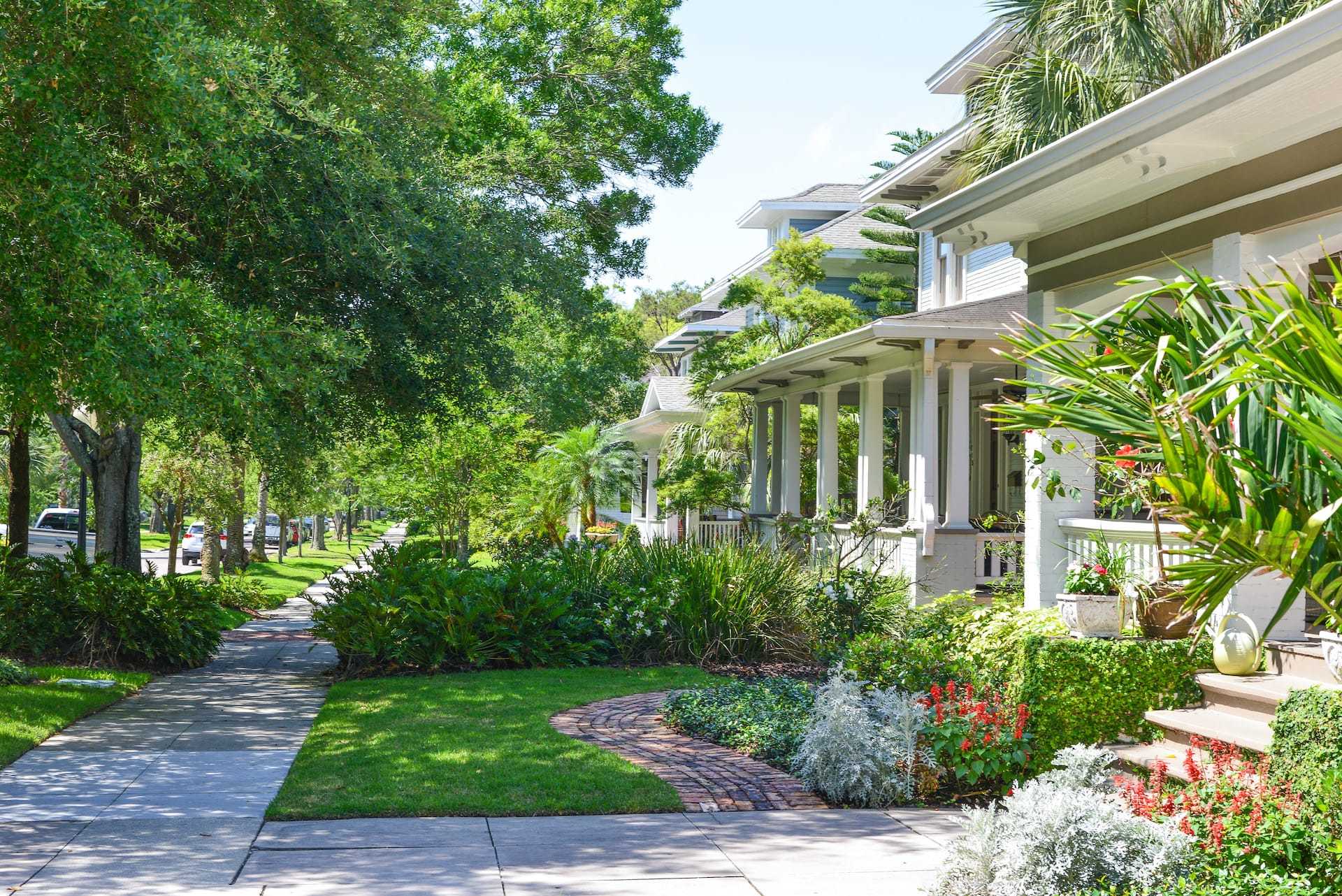
    4. Boost Tampa Curb Appeal First

    First impressions are crucial in Tampa’s cutthroat housing market. Exterior improvements always rank as some of the best value renovations. In fact, eight of those top ten projects with the highest ROI are exterior improvements.

    So basic curb appeal improving renovations such as new landscaping, sod and exterior paint are well worth the money. A new or freshly painted front door and an updated entryway go a long way towards making your home feel welcoming. Garage doors rank as the second most cost recouping remodel.

    In Tampa, most homeowners spend an average of $1,200 to replace their garage or front door. Yet, these improvements might be the easiest ways to instantly reinvent your home’s style and attract buyers to your doorstep.

    5. Consider a Strategic Home Addition

    Whether you’re looking to improve livability or strictly ROI, adding square footage reaps dividends on both accounts. For Tampa homes, additional bedrooms, multipurpose work from home areas, and converted sunrooms are sought-after improvements. These flexible spaces are attractive to families, remote workers and anyone looking for a multi-use room.

    Homeowners considering an addition should first look into local zoning regulations and permit requirements. Aligning additions with what buyers want—whether that’s a fourth bedroom or a home office—will make the investment more worthwhile.

    Even though these projects take a bigger budget, they can help a home stand out in highly competitive markets.

    6. Refresh Flooring: Tile and Hardwood Win

    Especially in humid Tampa, flooring upgrades frequently recoup more than they cost. Tile and hardwood remain top flooring choices, valued for their durable and easily cleaned surfaces. Tile, particularly when done in cool tones or wood-look finishes, holds up to heat and humidity.

    Hardwood, or engineered versions thereof, bring a welcome touch of warmth and timeless beauty. Environmentally sustainable materials such as bamboo or reclaimed items are increasingly popular too, particularly among eco-conscious buyers.

    New flooring is highly visible on showings and gives homes a clean, renewed, and move-in-ready feel.

    7. Upgrade Key Entry and Garage Doors

    Replacing old doors with new, more secure, and better-looking models is among the top renovations yielding the highest return on investment for Tampa homes. Besides safety, these upgrades add a great deal of curb appeal.

    Replacing any old doors with energy-efficient doors improves insulation – key to maintaining comfort in Tampa’s hot, humid climate. Garage door replacements are the most aesthetic value-adding renovations with the third highest delivered ROI.

    Selecting styles and finishes that are in keeping with the home’s architecture will add to a cohesive and elegant appearance.

    8. Apply Fresh Interior & Exterior Paint

    A new look A fresh coat of paint, both interior and exterior, is one of the quickest and easiest ways to refresh and modernize a home. Remember, neutral tones will cast the widest net, but bright, fun pops of color will give your space some personality.

    Durable paint goes further High-quality paint lasts longer and better withstands Florida’s sun and rain, making it more resistant to chips and dents that require costly touch-ups. By painting both the interior and exterior simultaneously, you give your home a complete, tended-to look that’s hard to beat.

    This is a relatively simple improvement that can make a significant impact on your home’s resale value.

    Smart Upgrades for Tampa Climate

    In the climate of Tampa, intelligent renovations for houses can greatly increase worth. Together, these improvements focus on maximizing energy savings, improving comfort, and providing some protection from the unpredictable local climate. Tampa’s subtropical climate means extreme heat and humidity, with the added danger of severe storms.

    Consequently, homeowners are increasingly looking for options that save money and improve performance over time. Smart upgrades like impact-resistant windows and new energy-efficient HVAC systems deliver short- and long-term benefits right away. They’re a perfect match for Tampa’s transition to smart, green, tech-savvy urban life.

    Install Impact-Resistant Windows

    Impact-resistant windows are not just beneficial during hurricanes. They prevent cool air from escaping, which reduces strain on air conditioning units and cuts energy costs. As a bonus, these windows can further reduce insurance premiums, providing a financially-saving investment in the long run.

    Modern window designs—think large panes and sleek finishes—blend indoor and outdoor living, a trend well-suited for Tampa’s sunny days and green views.

    Upgrade Your HVAC System Now

    Energy Star-rated HVAC units allow Tampa residents to enjoy comfortable indoor temperatures year-round, especially during our hot, humid summers. Replacing outdated systems with new energy-efficient models immediately reduces monthly energy costs and contributes to a healthier, more sustainable community.

    Routine HVAC check-ups keep systems lasting longer and working more efficiently. Smart thermostats are the next level, allowing homeowners to customize temperature settings for comfort and energy savings from a mobile device.

    Consider Roof Updates or Replacement

    A roof that’s designed for the Tampa climate—preferably made of metal or tile—resists excess heat and heavy downpours. Replacing or upgrading an old roof requires less frequent repairs and increases the value of the home.

    Proper insulation and ventilation improve roof quality and help maintain the living space’s internal temperature, ensuring maximum comfort.

    Explore Solar Panel Installation Benefits

    Not only do solar panels slash monthly energy bills, they increase a home’s resale value. Given Florida’s generous property tax breaks on solar upgrades, this move would be doubly appealing.

    Including battery storage brings you peace of mind in an outage event and works toward energy independence.

    Enhancing Livability and Appeal

    Increasing a residence’s value in Tampa involves more than just curb appeal improvements. It’s about creating livable, walkable communities that cater to modern homebuyers seeking a busy, 21st-century lifestyle. From the front door to the patio, strategic home improvements can enhance every element, making a house more comfortable and inviting.

    Design a Functional Home Office

    A designated home office was the most desired feature among buyers today. Tampa’s remote workers seek out environments equipped with ergonomic seating, desks that accommodate tech configurations, and easy access to outlets.

    Natural light is easy on the eyes as well as the soul, and sound-proofing can mute distractions from hectic families. A functional home office is smartly designed.

    An at-home workspace minimizes clutter, allowing professionals to focus and take care of business. Even just converting a corner of an existing attic or basement into a home office will go a long way.

    Integrate Smart Home Technology Features

    Smart tech, once a rare occurrence, is now common in Tampa homes. Home security cameras and smart locks not only add convenience, but increase security and peace of mind.

    In addition, these smart home thermostats can significantly reduce energy expenses during summer months. Features like motion-sensor lights and smart irrigation systems not only add convenience but enhance a home’s marketability, particularly to millennial buyers.

    As we slowly return to a more normal state where there’s more inventory available, these upgrades will help a property stand out.

    Improve Interior and Exterior Lighting

    Lighting can make or break the ambiance of a home. Layered lighting, such as pot lights, statement pendants and task-specific lamps, makes us comfortable and allows for higher functionality within a space.

    Not only do these modern fixtures freshen a room’s appearance, but they can easily complement any aesthetic, coastal to contemporary. Outdoor lighting makes entryways safer and adds curb appeal, especially with a well-kept yard and a fresh coat on the front door.

    Tampa Renovation Pitfalls to Sidestep

    Renovating in Tampa requires more than just choosing a paint color or new flooring; it involves strategic home improvements that consider local factors. Current market conditions, climate, and regulations all play a role in effective remodeling projects. By steering clear of these pitfalls, you can save money, time, and significantly enhance your property’s curb appeal.

    Ignoring Local Building Codes & HOAs

    Tampa is known for having tough building codes and several neighborhoods in the area are served by strong HOAs. Whether it’s neglecting to research building codes or overlooking HOA regulations, these decisions can lead to costly penalties or project delays.

    Make sure to reference your city’s website for permit requirements. HOAs are notorious for rules dictating approved color palettes, brick versus wood fences, or even the design of your mailbox.

    Whether it is a county or city approval, save all stamped plans. This will save you in case you go to sell your home or have an inspection done.

    Over-Improving for Your Neighborhood

    Going big is always alluring, but not every improvement is worth the investment. If the majority of homes in the area only have two baths, adding a third won’t increase your home’s value.

    Buyers want homes that are appropriate to the community. Over-improving—a luxury kitchen in a middle-class neighborhood, for instance—almost never recoups.

    Consider what is selling and align your strategy accordingly.

    Underestimating Project Costs and Time

    Most home projects exceed their original financial outlay. In Tampa, a quality kitchen remodel typically runs $30,000 to $75,000. Even modest renovations, such as replacing a front door, can cost $1,200.

    Budget for unexpected expenses and delays. Include a cushion for inclement weather or material shortages.

    Choosing Trends Over Timeless Style

    While colorful tile and fun paint colors feel exciting, they can quickly become outdated. Timeless looks, such as neutral colored cabinets or classic patterned floors, stand the test of time.

    Quality workmanship not only looks better to buyers, but they will stand the test of time.

    Neglecting Essential System Upgrades

    Buyers want to know that the basics are covered too – plumbing, air conditioning, electrical wiring. Now, these upgrades don’t necessarily increase sale price and can be a gamble to skip, but you need to be prepared.

    Ensure all systems are up to code and feature noteworthy upgrades in your listing description.

    Conclusion

    Make Tampa homes more irresistible with the most effective renovations. Open kitchens, new bathrooms, and great curb appeal are the big winners on ROI in this city. Smart buyers and renters should be demanding reliable roofs, new ACs, and storm-ready windows. Pools and patios promote life outdoors, made possible by the long sunny months. Avoid low-quality flips or band-aid renovations. Follow their lead and continue working with local professionals you trust who understand the Tampa market and our extreme weather. Realize maximum returns by choosing renovations that match today’s neighborhood standards with tomorrow’s buyers’ expectations. Whether you’re preparing your home for sale or you simply want to enjoy your home more, a smartly executed renovation creates a big impact. Looking for more advice or assistance on your next endeavor? Ask questions and receive authentic, Florida-based guidance.

    Frequently Asked Questions

    What renovation adds the most value to a home in Tampa?

    In Tampa, kitchen remodels, particularly those focusing on energy efficiency and modern decor, tend to bring the highest return on investment, appealing to many buyers.

    Are energy-efficient upgrades worth it in Tampa?

    New energy-efficient windows, insulation, and HVAC systems are strategic home improvements that will reduce energy bills and create a more comfortable living space in Tampa’s hot, humid climate.

    Should I focus on indoor or outdoor renovations in Tampa?

    When planning home improvement projects, remember that both outdoor spaces and indoor areas matter. With Tampa’s beautiful year-round weather, outdoor living upgrades like screened-in patios and lanais are always a popular request.

    How important is hurricane protection for Tampa homes?

    How important is hurricane protection for Tampa homes? In addition to increasing value through strategic home improvements, installing impact windows and doors provides peace of mind during hurricane season.

    Do bathroom remodels increase home value in Tampa?

    Yes. Buyers love modern bathrooms with water-saving fixtures and nice clean tile, and strategic home improvements like updating yours can significantly increase your home’s value.

    What upgrades help homes sell faster in Tampa?

    New paint, new flooring, and great curb appeal improvements are key in getting a home sold fast, as these strategic home improvements lure more buyers and increase value.

    What renovation mistakes should I avoid in Tampa?

    Mistake #5 – Going too crazy with your customizations. Avoid trendy designs and finishes that may not have as broad an appeal to prospective property consumers in Tampa. Focus on strategic home improvements that enhance curb appeal.