Blog

  • Top 10 Essential Ways to Prep Your Tampa Bay Home for the 2025 Hurricane Season

    Top 10 Essential Ways to Prep Your Tampa Bay Home for the 2025 Hurricane Season

    Top 10 Essential Ways to Prep Your Tampa Bay Home for the 2025 Hurricane Season

    Key Takeaways

    • Impact-resistant windows and hurricane-rated garage doors provide the tough, wind- and projectile-proof protection your home needs from Tampa Bay’s hurricane forces.
    • Clearing gutters and downspouts helps prevent water damage and flooding, while installing gutter guards can reduce future maintenance.
    • 8 Stock your emergency kit, and don’t skimp on supplies. Periodically inspect your kit so your family is prepared for extended power outages and sudden emergencies.
    • Developing and rehearsing an evacuation plan keeps your family safer and lessens chaos during hurricane alerts.
    • Keeping tree branches trimmed and outdoor furniture secured can minimize damage caused by high winds or storm surges lifting debris.
    • Reviewing your flood insurance policy and local emergency resources prepares you for potential flooding and connects you to critical information when needed.

    Prepare your Tampa Bay home for 2025 hurricane season! Take a hurricane home safety quiz, get a checklist for essential emergency supplies and learn how to fortify your home against torrential rain and hurricane-strength winds.

    Local folks know how fast storms can roll in, so things like boarding up windows, clearing drains, and trimming trees make a big difference. Tampa Bay’s mix of coastal homes and older neighborhoods brings its own set of needs, from flood-proofing low spots to having a solid plan for power outages.

    Identifying weak spots now reduces stress when storms begin to form. This article walks you through those top 10 easy, impactful steps, with suggestions tailored to Tampa Bay’s unique climate and culture.

    1. Install Impact-Resistant Windows

    Impact-resistant windows increase home damage so they’re made with fortified glass designed to withstand impacts from wind-borne debris. When choosing windows for homes in Tampa Bay, selecting windows that at least comply with, or preferably exceed, Florida’s rigorous building codes is essential.

    Since local codes frequently require these windows in coastal areas, they’re not only a wise choice—they’re often required. Properly fitting these windows is key.

    Second, impact-resistant glass provides the best protection against wind, rain, and flying debris that can break standard glass and expose a home to water and pressure damage. Most people take it a step further and apply a window film for additional fortification, as well as UV protection.

    These films are powerful enough to stop 99% of the sun’s damaging UV rays, preventing premature fading of floors, furniture, and artwork. While the up-front cost may be greater, these windows provide benefits throughout the entire year, not just during hurricane season.

    2. Reinforce Garage Doors

    Reinforced garage doors reduce damage during hurricanes and other severe winds. With very few homes in the Tampa Bay region having reinforced doors, this can be a major point of vulnerability when hurricanes make landfall. Retrofitting an unreinforced garage door with one that meets hurricane standards greatly increases safety.

    These doors are engineered to hold up against wind pressures up to 150 mph! Garage doors with a high R-value increase insulation values and can reduce home energy costs while making the living spaces in the home more comfortable all year long. For additional protection, horizontal reinforcements prevent doors from flexing or collapsing during storm events.

    Some models even have steel bars built in, and retrofit kits are readily available at your local hardware store. Consistent inspections of garage door hinges, tracks, and rollers will ensure that your system functions seamlessly while catching issues before they escalate. Basic maintenance, such as tightening bolts or replacing frayed components, can make a huge difference.

    3. Clear Gutters and Downspouts

    Cleaning gutters and downspouts is crucial for hurricane preparedness, as it ensures that rainwater flows freely and helps safeguard your home’s roof and foundation. For gutters to function properly, they must be cleared of leaves, sticks, and debris, particularly after a windy rain storm. Overflow from clogged gutters can lead to leaks, roof rot, and even cracks in your foundation, which can be exacerbated during severe storms or hurricane conditions.

    Downspouts need to route water at least 3-5 feet away from your house’s foundation to prevent flooding. For most Tampa Bay yards, splash blocks or flexible downspout extensions work well to direct flows away from the house. Homeowners with oak or palm trees nearby should check their gutters more frequently to avoid large build-ups that could lead to water damage during extreme weather events.

    Gutter guards can help reduce maintenance, but they still require occasional inspection. Ensure that gutters are securely attached and will not be blown off in a tropical storm, which is a common risk in Florida’s high-wind events. This is particularly important during the Atlantic hurricane season when preparedness is key.

    If you’re a homeowner who is concerned about getting up on a ladder for maintenance, consider hiring a professional. Safety should always be your first concern, especially when preparing for potential hurricane emergencies.

    4. Stock Emergency Supplies Kit

    Whether you’re forced to evacuate or not, having a hurricane preparedness kit is crucial—especially during hurricane season. Keeping a kit ready means gathering basics like bottled water, nonperishable food, and first aid supplies for everyone in the household—even pets. Plan for each person to have a minimum of one gallon of water per day, ensuring a seven-day supply for each family member. Healthy, non-perishables like canned beans, peanut butter, and granola bars are great options, as they are easy to store, don’t need a lot of preparation, and can last for years!

    Battery-powered radios are essential to stay informed about changing weather and emergency alerts, especially if you lose power. Don’t forget the kit basics! Stock your family’s emergency kit with flashlights, spare batteries, a first-aid manual, tool kit, and at least 30 days’ worth of prescription medications. For families with breastfeeding parents, including a week’s worth of powdered formula is advisable. Regularly check expiration dates on food and medication to ensure you’re using fresh supplies.

    Preparing in advance of storms is vital to avoid frantic, storm-chasing preparations. Having a well-thought-out evacuation plan is also an essential aspect of hurricane readiness. Ensure that everyone in your household is aware of the plan and knows the nearest evacuation zones. This will help minimize panic and confusion when a hurricane warning is issued.

    In addition to stocking your emergency kit, it’s important to stay updated with forecasts and weather alerts from reliable sources. This way, you can monitor the storm’s development and understand the potential risks, particularly if you live in a hurricane flood zone. By being proactive and organized, you can better protect yourself and your loved ones during extreme weather events.

    5. Create an Evacuation Plan

    Second, having a plan in place provides comfort when a storm threatens. Plan several evacuation routes from your Tampa Bay residence. These routes will take you to large highways or evacuation shelters, allowing you to avoid the worst of the traffic.

    For instance, see if US-19 or I-275 are still open in a traffic alert. Decide on a designated safe meeting location! Think about a local park or a family member’s home at higher elevation in the event your party becomes separated.

    Review the plan with everyone in your home, from children to elderly members. Rehearse the route and meeting process several times each season so everyone is familiar and no one forgets.

    Store important documents—insurance, identification, medical information—in a waterproof folder next to your point of departure. Don’t forget pets: stash a carrier, food, and water in an easy-to-grab spot.

    A good plan is one that’s tailored to your household. It even has backup routes and a quick checklist to help make evacuation easier, less stressful, and safer for everyone.

    6. Trim Overhanging Tree Branches

    In Tampa Bay, trimming overhanging tree branches makes homes and power lines less vulnerable to storm damage. Start by examining trees near your home. Check for weak limbs, dead wood, or any branches that overhang your roof.

    For instance, a big oak branch that’s less than 8 feet from a roof needs to be marked out for pruning. Hiring a certified arborist will not only ensure risky trims and full removals are done safely, but for tall or hard-to-reach trees.

    Keep a clear zone of no less than 8 feet in front of your roof. Check for a minimum of 3 feet of clearance in back and on both sides. This distance decreases the likelihood that tree branches will strike the home in the event of strong winds.

    Before starting any digging, Florida law requires you call 811 and wait at least two business days so crews can mark underground utility lines. Always keep all ladders and tools at least 10 feet away from power lines.

    7. Secure Outdoor Furniture

    Tying down outdoor furniture not only protects your home, it protects your neighbors and fellow Floridians during hurricane season. As seen in the recent strong winds that impacted Tampa Bay, unsecured outdoor furniture can become lethal projectiles. These items can lead to property damage or injury.

    To reduce this risk, take smaller items indoors. This applies to cushions, potted plants, patio chairs—whatever can go into the garage or a sturdy shed should go there. Secure all outdoor furniture and items. Store them in a way that they won’t move or fall over.

    Remove debris from paths and gutters to avoid flooding or clogging. For larger items such as gazebos, canopies, or heavy tables, secure with weighted anchors. On the flip side, powerful tie-down straps can prevent them from blowing away.

    Inspect deck and patio furniture for any cracked or worn areas and repair or replace damaged items beforehand. Removing smaller hazards, such as toys, garden tools, and debris from the yard, will go a long way too.

    Fixed costs. Insurance won’t replace damage caused by unsecured items, so taking the time to secure your possessions makes a difference.

    8. Check Flood Insurance Coverage

    Checking flood insurance coverage ensures that Tampa Bay homeowners know exactly how well they are protected when a storm comes knocking. Remember to look over your existing policy! Ensure that your limit is appropriate for the value of your home and covers key areas such as the structure, plumbing system, and contents within your home.

    Most policies don’t cover these things, so be aware of what’s not included and what is. Even in low-risk areas, water can still inundate your home. Understand that standard homeowners insurance does not cover flood damage.

    Verify your flood zone with FEMA or local city flood maps. This will assist you in figuring out whether your property needs additional coverage and whether your mortgage lender requires it. Discuss with your insurance agent any gaps or increased deductibles that may be too costly for you in the long run.

    If you notice any deficiencies, make changes to your policy now so it’s prepared before the start of hurricane season. Store hard copies of your policy and proof of ID somewhere secure. Further, store them online, so they’re easy to access if you need to file a claim.

    9. Test Generator Functionality

    Generator test functionality ensures backup power is on when Tampa Bay storms roll in. Run your generator periodically to check that it functions properly, despite having sat for some time.

    Inspect the fuel tank, replace stale gas with fresh fuel! Stale fuel can gunk up the engine and have you stranded when the grid fails. Learn the ignition process, safety interlocks, and shut-off procedures.

    If your generator has a recoil start, pull the cord several times. Next, allow it to run for about five minutes. Check out the user guide for helpful illustrations or check out this short how-to video to save yourself a lot of hassle and guesswork.

    For many people in Tampa Bay, owning a generator means having peace of mind. Enjoying safe use and taking preventative measures goes a long way!

    10. Review Local Emergency Resources

    Review Local Emergency Resources will yield genuine peace of mind going into hurricane season. Start with a solid list of contacts: local Emergency Management Offices, county law enforcement, fire/rescue, hospitals, utility companies, and your insurance agent. Tuck it away but remember to revisit it often.

    It’s useful to be aware of the nearest shelters and disaster relief centers. Flooding evacuation maps and shelter information for all local emergency shelters are available on each Tampa Bay county’s emergency management web pages. Tune into local TV stations—like Bay News 9 or WFLA—for continuous storm updates and emergency evacuation notifications.

    Register for your county’s emergency alert system, which can quickly deploy evacuation orders or shelter openings. Knowing who does what among local agencies is key when a crisis breaks. Understanding who runs shelters and how rescue efforts are coordinated can save valuable time.

    Have a plan on hand, identify any holes in your preparation and always be aware of where the closest hospital and police station are located.

    Conclusion

    Preparing your home for hurricane season might require a little elbow grease, but the investment is worth it. Impact-resistant windows and wind-rated garage doors protect against wind pressure. Maintained gutters and tree heights help prevent debris from clogging up your home. A well-stocked kit and a clear escape plan will put you at ease in the event you do need to evacuate. When you have your yard gear secured and flood insurance in order, you avoid the nasty–unexpected–surprises. A generator that works and is properly fueled gives you peace of mind. These local resources provide you the most up-to-date answers for your questions. People in the Tampa Bay area understand that storms can come up quickly, but even the slightest bit of preparation can make a world of difference. Follow through on these actions, watch out for your neighbors, and be safe Tampa Bay. Wishing you a safe hurricane season—make sure to begin your preparations before the summer sizzle arrives.

    Frequently Asked Questions

    What are impact-resistant windows and why are they important in Tampa Bay?

    What are impact-resistant windows and why are they important in Tampa Bay? These windows are crucial for hurricane preparedness as they protect your home during strong winds and enhance family safety during severe storms, especially in areas prone to hurricane conditions.

    How can I reinforce my garage door for hurricane season?

    Reinforce your garage door with a wind-rated model or install a garage door bracing kit to enhance your hurricane preparedness. By reinforcing your garage door, you protect it from storm damage and prevent dangerous wind pressure from entering your home during extreme weather events such as hurricanes.

    Why should I check my flood insurance before hurricane season?

    Homeowners insurance won’t cover flood damage, especially in specific hurricane flood zones, and there’s a good chance you aren’t covered. Check your flood insurance policy to ensure you have adequate coverage and policy limits. As an area that’s susceptible to multiple types of flooding, including tropical storms, make sure you’re properly insured to protect what matters.

    What should be included in an emergency supplies kit for Tampa Bay hurricanes?

    Include bottled water, non-perishable food, flashlights, batteries, a first aid kit, your medications, and important documents in your hurricane kit. Be sure to include supplies for pets and any special needs your family might require.

    How often should I trim trees and branches around my Tampa Bay home?

    Regularly trimming trees and branches around your Tampa Bay home is essential for hurricane preparedness, as it reduces the risk of property damage and enhances protection during severe storms and hurricane conditions.

    Why is it important to test my generator before hurricane season?

    Testing your generator before hurricane season is crucial, especially in areas like Hillsborough County, where power outages are common during major hurricanes. A reliable generator ensures your family remains safe and comfortable amid hurricane preparedness efforts and severe storms.

    Where can I find local emergency resources in Tampa Bay?

    Visit the Hillsborough, Pinellas, or Pasco County emergency management web pages for local resources and hurricane preparedness tips. Check local government websites for current evacuation zones, shelter locations, and storm information—all crucial for Tampa Bay residents during hurricane season.
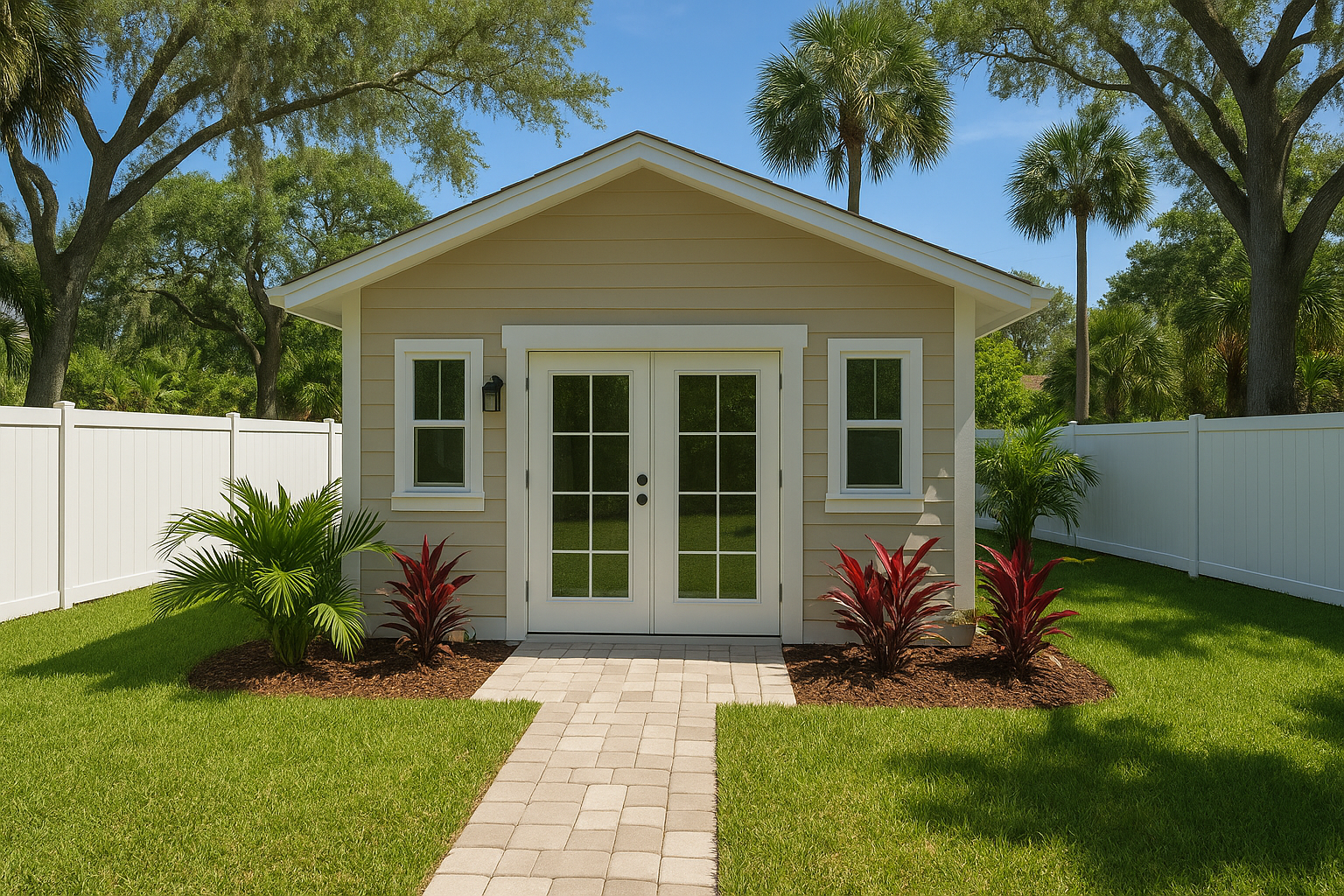
  • How to Finance an ADU in Tampa Bay

    How to Finance an ADU in Tampa Bay

    How to Finance an ADU in Tampa Bay

    Key Takeaways

    • Getting familiarized with Tampa’s specific zoning laws and legal requirements is crucial before you start planning your ADU project and financing.
    • Tampa homeowners can utilize many different financing options. These forms of financing consist of home equity loans, cash-out refinancing, construction loans, renovation loans, personal loans, and reverse mortgages for seniors.
    • Many local, state, and federal grants and incentives are available to reduce the cost of constructing an ADU in the Tampa Bay metropolitan area. Be sure to stay on top of eligibility requirements and deadlines to make the most of these opportunities!
    • Tampa lenders will usually look at your credit score, income, and other financial documents. Keeping your financial documents in order and creating a healthy financial picture is key!
    • Diligently shop loan quotes, interest rates, and payback periods. Consider lenders fees when shopping for the best financing available for your ADU!
    • An ADU can increase your property value, create new rental income opportunities, and may impact your property taxes and insurance needs, so plan ahead for long-term financial effects.

    What’s an ADU in Tampa?

    Accessory dwelling units, or ADUs, are independent residential units located on the same lot as a single-family home. In Tampa, these units usually come in the form of a granny flat, a cottage, or an in-law suite.

    Tampa’s Land Development Regulations provide specific and reasonable criteria that allow for ADUs to be developed. They define which areas ADUs can be located in and what designs are permitted. An ADU may need to be no less than 10 feet away from the primary residence, for example.

    It has to be a minimum of 350 square feet, but no larger than 75% of the primary residence. If your ADU is larger than 500 square feet, the city requests an additional parking space.

    Defining Accessory Dwelling Units

    What makes an ADU unique is that it has its own kitchen, bathroom, and sleeping quarters. It lives on the same parcel as a much larger single-family home.

    Different from duplexes or condos, ADUs remain attached to the primary residence and can’t be sold off on their own. In Tampa, the legal standard is clear: these units must meet set size, setback, and design rules so they blend into the neighborhood.

    Tampa’s Unique ADU Landscape

    All around Tampa Bay, ADU construction is booming. Currently, homeowners often build them for aging parents, adult children, or even as rentals.

    Many are attracted by the city’s permissive regulations, such as the exclusion of ADUs from the standard density caps. This allows owners to add a new unit more easily without facing zoning hurdles.

    Why ADUs Boom in Tampa Bay

    With a massive need for affordable homes across Tampa Bay, ADUs provide a great option. They provide property owners with an opportunity to generate rental income or better accommodate family members, all while maintaining the character of traditional single-family neighborhoods.

    These elegantly sustainable units increase affordable housing options and strengthen community connections.

    Your Tampa ADU Financing Toolkit

    Financing an Accessory Dwelling Unit (ADU) in Tampa It’s About More than Choosing the Right Loan You should have a clear idea of your budget, the value of your home, and which lenders are familiar with the local market.

    With quality ADU projects in Tampa Bay typically running $175,000 to $350,000 all-in, financing an ADU can be a significant strain on your finances. Most Tampa homeowners pay cash, pull from savings or rely on family for support.

    With the right tools and attitude, you can make your money work in your favor. In the process, you’ll find a savvy approach for producing that additional room. Below, you’ll find a kit tailored to Tampa’s unique needs.

    It walks you through your financing options, clarifying what each option entails and guiding you in evaluating their advantages and disadvantages.

    Financing OptionTypical RequirementsProsConsLocal Fit
    Home Equity Loan/HELOC15-20% equity, 620+ credit scoreFlexible, lower ratesRisk of foreclosureWidely available
    Cash-Out RefinanceGood credit, home equityLarge lump sum, fixed ratesClosing costs, resets loanCommon in Tampa
    Construction LoanBuilder contract, strong creditTailored for ADUs, phased payMore paperwork, short termRegional banks
    FHA 203k/Homestyle620+ score, owner-occupiedLow down payment, covers renoStrict rules, feesLess common
    Personal LoanGood-excellent creditFast, no collateralHigher rates, small sumsOnline lenders
    Portfolio/Bridge LoanAsset-based, local lenderFlexible, fast approvalHigher rates, short termTampa specialists
    Reverse Mortgage62+, primary residenceNo payments, tap equityReduces inheritanceSeniors in Tampa

    1. Leverage Home Equity: Loans & HELOCs

    Most Tampa homeowners seeking to finance an ADU will look to their home’s equity.

    1. Home Equity Loan or Home Equity Line of Credit (HELOC) An equity loan or HELOC allows you to borrow money based on the equity in your home. If you’ve paid off at least 15-20% of your mortgage already, you’re in good shape!

    If your credit score is in the mid-600s or better, you should have no problem meeting lender requirements. HELOCs offer a line of credit that acts like a credit card.

    You only pay interest on what you withdraw, which makes them great for staggered construction costs. Home equity loans provide a lump sum, useful for upfront expenses.

    The biggest advantage is lower interest rates than personal loans. Your house is at stake if you default on repayments. First, put together a list of the ADU essentials.

    From there, account for a buffer for cost overruns to determine how much you should borrow. Avoid using your line of credit to the max—maintain some space for emergency home repairs or other costs.

    2. Unlock Value: Cash-Out Refinancing

    Cash-out refinancing Simply put, a cash-out refinance involves replacing your current mortgage with a new, larger one and keeping the remaining funds.

    This approach is best if Tampa home values have appreciated since your original purchase. You pay off your existing loan and receive cash to put toward your ADU.

    Closing costs and a new mortgage term are big trade-offs. If the market conditions have changed, you may be able to lock in a better rate!

    To determine how much you qualify for, start by subtracting your existing mortgage from your home’s appraised value. Then take that figure and multiply it by roughly 80%, because lenders almost never let you cash out the full difference.

    Those looking to settle in one place for decades tend to prefer this option. It locks their loan into a fixed rate and releases scores of capital. If you’re nearing the end of your mortgage, this option won’t work well for you.

    If rates have risen, you need to explore alternatives.

    3. Build New: ADU Construction Loans

    Regular construction loans cover new builds, including ADUs. These loans disburse in phases as work completes, providing additional supervision and spending control.

    Local expertise and competitive terms Tampa banks or credit unions might be able to provide local expertise and competitive local terms.

    You will have to have a licensed builder, a comprehensive budget, and architectural plans ready. Proof that you can pay it back Lenders will usually require proof that you can repay the loan, including proof of income and good to excellent credit.

    You’ll get a shorter term and higher rates than a normal mortgage. The money will keep up with your project! Once construction is complete, you typically refinance into a traditional mortgage.

    4. Renovate Smart: FHA 203k & Homestyle

    If you’re adding an ADU to an older Tampa home, FHA 203k or Fannie Mae’s Homestyle loans could cover your costs. Both allow you to roll renovation costs into your primary mortgage.

    You must be an owner-occupant of the property and have a minimum credit score of 620. These loans can finance extensive projects, ranging from gut rehabs to smaller renovations that bring a unit up to local code.

    The major attraction is the lower down payment and that you can roll all of your costs into one loan. Regulations are often rigid and costly, and fees quickly accumulate.

    Not all Tampa lenders will underwrite these, so look for lenders that understand FHA and Homestyle programs.

    5. Consider Personal Loans for ADUs

    Personal loans provide you with fast money with no collateral required. These are most effective for smaller ADUs or when all else fails.

    As with any loan, you’ll need a good credit score to receive favorable interest rates. The biggest advantage is urgency—most lenders can approve and fund in a matter of days.

    Rates are higher, and loan limits can’t cover a full ADU build. Look for the fine print on fees, prepayment penalties, and total interest cost before proceeding.

    6. Tampa Lenders: Portfolio & Bridge Options

    Portfolio lenders are local community banks and credit unions who hold loans in-house. They will be more flexible on ADU loans — these can be key if you don’t meet very rigid guidelines set by other lenders.

    Bridge loans offer quick lump sums to bridge the gap, such as building an ADU while selling your previous property. While rates are higher, the speed of approval is immediate.

    Tampa’s lending scene is expansive, so be sure to shop around and compare offers. Understanding your market can translate to better loan terms and less overall headache.

    7. Seniors: Explore Reverse Mortgages (HECM)

    For Tampa homeowners aged 62 and up, a reverse mortgage, or Home Equity Conversion Mortgage (HECM), lets you tap home equity with no monthly payments.

    This can help pay for an ADU for aging in place or generating extra income. You need to occupy the property and stay current on property taxes and homeowners insurance.

    The only real trade-off here is that your heirs will receive less. Even so, for those who need it, this is an opportunity to age in place and increase property value and home flexibility.

    Tampa Bay ADU Grants & Incentives

    Financing your accessory dwelling unit (ADU) in Tampa Bay requires more than a solid blueprint. It urges more research into programs at the local, state and federal levels that can reduce costs or facilitate financing. Tampa allows ADUs by permit within certain neighborhoods.

    Yet these rules are inconsistent, so always check with your local city or county planning offices before you start doing anything! Some areas in Hillsborough County cap ADU size at 900 square feet, or up to 1,200 square feet with a variance. Minimum lot size and setbacks are other factors that can be an issue.

    Here’s a quick look at common grants and incentives you might find:

    • Local city or county ADU grants (when funded)
    • State-level ADU funding aid (subject to availability)
    • Federal home renovation and energy efficiency programs
    • Time-limited incentives for affordable or fair market rentals

    Local Tampa ADU Financial Perks

    Tampa sometimes offers local incentives for ADU builders, like permit fee waivers or fast-track approval, which can save time and money. Additionally, certain neighborhoods could be eligible for additional assistance.

    This is true only provided that the ADU is rented at fair market rates for a minimum of five years. However, a number of these perks depend on city operating budgets or specific grants/initiatives. Deadlines sneak up on you fast.

    Local grant programs in Florida ran out of $25 million in just three days in early 2024.

    Federal Programs for ADU Builders

    Federal alternatives, such as FHA 203(k) loans or Freddie Mac’s CHOICERenovation, allow homeowners to incorporate ADU expenses into their primary mortgage. These loans often have lower interest rates than personal loans.

    The process involves costly home appraisals, burdensome documentation, and caps related to the principal value of the property. In many cases, this path literally provided access where local money was insufficient.

    Secure Your Tampa ADU Loan

    It does require a bit of legwork upfront. Homeowners typically must have 15–20% equity, a credit score in the mid-600s or above, and a debt-to-income ratio under 50%.

    So, the process begins with creating ADU blueprints, obtaining necessary permits, and then turning to a lender. Here’s how to move forward:

    • Obtain ADU plans from TomCo Solutions who is familiar with Tampa’s codes.
    • Apply for permits through the City of Tampa.
    • Reach out to potential lenders, present your project plans, and begin the ADU loan application process.
    • Collect required documentation, including pay stubs, W-2s, mortgage statements, and insurance declarations.
    • Review loan offers, checking rates and terms.
    • Select a loan, execute, and proceed to appraisal and approval.

    Lender Criteria: What Tampa Banks Seek

    Equity, credit and income are crucial factors. All lenders in Tampa will look for equity, credit and income. They’ll expect a credit score of at least 660, consistent employment history, and a strong debt-to-income ratio.

    A clean and robust financial profile will only increase your chances at obtaining the best possible rates and higher likelihood of approval.

    Gather ADU Loan Documents

    You’ll have to compile pay stubs, tax returns, proof of insurance, and mortgage information. Thorough, well-prepared paperwork makes you look efficient and professional—lacking or incomplete documentation will only drag out the process.

    If you keep digital records, have them all stored in one location for fast access.

    Compare ADU Loan Offers Effectively

    Consider interest rates, repayment term (typically 25–30 years), associated fees and closing costs.

    Cash-out refinance vs HELOC: Cash-out refinance and HELOCs each have their advantages and disadvantages. Inquire whether there are prepayment penalties, or if the rate will change, as ADU loan rates are subject to change.

    Navigate ADU Appraisal & Approval

    Your property, including the existing home and new ADU, will be appraised by lenders to determine the loan value. Prepare for site visits and be prepared to answer questions about your plans.

    Providing clear, detailed plans will get you through the process much more easily.

    Manage Construction Draw Schedules

    Loans are typically disbursed in increments. Coordinate with your lender and contractor to schedule draws.

    Monitor expenditures to help ensure your project stays within budget and minimize the risk of construction payment lags.

    ADU’s Impact on Tampa Property Finances

    It’s not just an upgrade Adding an Accessory Dwelling Unit (ADU) in Tampa. It’s a huge influence on their long-term bottom line as property owners! Local regulations have opened the door for ADUs on multi-family lots, and approvals are received within 60 days.

    This change creates exciting opportunities for homeowners who want to increase their property value and develop additional income streams.

    Financial BenefitDescriptionExample/Range
    Property Value Boost20–30% increase, up to 35% higher sales price$400,000 home + 30% = $520,000
    Rental IncomeMonthly rent for ADU, offsets costs$1,900–$2,300 per month
    ROILong-term value through rent and appreciation5–10% annual return possible
    Affordability ImpactMore housing options for middle-income families23% listings affordable; ADUs help fill gap

    Boost Property Value with an ADU

    On average, ADUs increase a home’s value by 20–30%, with one-third of homes listed at 35% more because of an ADU. Tampa’s housing market trends further emphasize demand for adaptable living arrangements.

    Thanks to the addition of an ADU, this South Tampa property is now $100,000 richer. As a result, purchase price increased from $400,000 to $540,000 in just two years!

    Tampa Property Taxes & Your ADU

    What to Expect on Tampa Property Taxes When Adding an ADU Homeowners must review local regulations, since tax rates are a factor of the increased value and usage of the property.

    Post Build Maintain Documentation Before building, maintain documentation through the process and discuss with a local tax adviser to prepare for any property tax increase.

    Insuring Your New Tampa ADU

    Your new ADU will require robust insurance. Homeowners will need to purchase coverage for the new structure, contents, and liability.

    Consult local agents to customize policies whether the ADU is rented or used by family.

    ADU Rental Income: A Financial Plus?

    Renting an ADU in Tampa provides an owner $1,900 to $2,300 a month. This additional income can cover a substantial chunk of the large costs associated with such projects, which typically total between $175,000 and $350,000.

    Good tenants and smart management go a long way toward ensuring stable returns.

    Conclusion

    Whether you’re looking to increase the value of your home, add some additional space, or earn some rental income, building an ADU in Tampa is a great option. Local lenders in Tampa, provide loans specifically tailored for ADUs. If local jurisdictions offer grants, they can significantly reduce the upfront costs. Unlike homeowners using HELOCs or cash-out refis, new ADU loans are targeted at ADUs specifically. Each one operates slightly differently, so consider the benefits and drawbacks for your situation. Having accurate information in advance and good planning will keep your budget on track and save you a lot of heartache. People who engage with their local lenders or city offices have more success in locating the best deal and experiencing the least amount of disruption. Finally, remember that once you have your financing in place, you will need a trusted ADU builder in Tampa like TomCo Solutions to get the project off the ground.

    Frequently Asked Questions

    What is an ADU in Tampa?

    What’s an ADU in Tampa? An ADU, or Accessory Dwelling Unit, is a small, self-contained home that you can build on your existing property in Tampa. It could be a backyard cottage, garage apartment over a parking pad, or an in-law suite, offering various financing options for homeowners.

    What are the main ways to finance an ADU in Tampa?

    Home equity loans, cash-out refinancing, and construction loans are popular loan options, while other Tampa banks and credit unions may offer specialized ADU financing options.

    Are there any ADU grants or incentives in Tampa Bay?

    Are there any ADU financing options, grants, or incentives in Tampa Bay? Contact the City of Tampa and Hillsborough County to inquire about existing financing programs.

    Can I use rental income from my ADU to help qualify for a loan?

    In Tampa, many lenders consider future rental income from your ADU when applying for construction financing. Contact your lending provider to learn about their specific loan options and guidelines.

    How does building an ADU affect my Tampa property taxes?

    As with any improvement, building an ADU will likely raise your property value and subsequently your property taxes. Contact the Hillsborough County Property Appraiser for further clarification.

    What is the average cost to build an ADU in Tampa?

    On average, Tampa residents can expect quality ADU projects to run between $175,000 and $350,000 all-in—again, largely depending on the size, materials, and finishes chosen for the project.

    Do I need special permits to build an ADU in Tampa?

    Check with the City of Tampa Building Department for help navigating the financing process.

  • Understanding the Different Types of ADUs in Tampa: A Comprehensive Overview

    Understanding the Different Types of ADUs in Tampa: A Comprehensive Overview

    Understanding the Different Types of ADUs in Tampa: A Comprehensive Overview

    Key Takeaways

    • Tampa offers several types of ADUs, including detached backyard cottages, attached home expansions, garage conversions, and internal existing space units, each serving different needs and property types.
    • Homeowners are turning to ADUs for extra income, multi-generational living, and flexible space, responding to Tampa’s rising demand for affordable housing and diverse living arrangements.
    • Navigating Tampa’s ADU regulations requires careful attention to zoning, permits, size limits, setbacks, and parking requirements to ensure compliance and project success.
    • Smart ADU design in Tampa should blend with neighborhood aesthetics, maximize energy efficiency, and incorporate features like outdoor spaces and modern amenities.
    • ADUs contribute to Tampa’s housing supply, help address affordability issues, and can boost property values when integrated thoughtfully into existing neighborhoods.
    • Before renting out an ADU in Tampa, homeowners should understand and follow local rental laws to ensure legal operation and maximize the financial benefits.

    The four main types of ADUs in Tampa are:

    • Detached backyard cottages
    • Garage apartments
    • Basement units
    • Above-garage suites

    Each type comes with its own distinctive flair, square footage and purpose. Select your favorite—tiny bachelor pad, one-bedroom apartment, or even a two story unit!

    Local Tampa regulations determine what the perfect size and design would be for each neighborhood. Whatever option is chosen needs to comply with local city code in terms of safety and zoning.

    The following sections explain the different types and Tampa’s regulations.

    What Exactly is an ADU?

    An accessory dwelling unit (ADU) in Tampa is a smaller, self-contained living space. It’s constructed on the same lot as a primary single-family residence. These units have their own kitchen, bathroom, and sleeping space, so they do function as completely separate independent homes.

    One reason homeowners are interested in ADUs is that they see them as a means to earn extra rental income or provide a private space for family members. As Tampa’s growing cost of living continues to squeeze residents, ADUs are an appealing solution for many. They are in keeping with the styles of the neighborhoods.

    They typically adhere to local regulations on size—most are one or two bedrooms and occasionally rise to two stories. ADUs have the potential to change the way families are able to cohabitate. They permit aging parents to be near their children, while maintaining a level of independence.

    At the same time, young adults are able to save money by living close. Homeowners can rent out these units short-term or long-term, depending on what works best for them and what Tampa’s rules allow. ADUs are a great way to maintain the unique character of Tampa’s neighborhoods while increasing the availability of diverse housing options.

    Defining Tampa’s “Granny Flats”

    Granny Flats are one of the most recognized forms of ADU in Tampa, designed to accommodate elderly relatives. They’re a great option for seniors, allowing them to age near family connections and maintain some level of autonomy.

    Most are even thoughtfully designed with ramps, wide doors, and step-free showers to accommodate people of all mobilities. These flats can be customized to suit the specific needs of each family, combining comfort and accessibility.

    Why ADUs Spark Tampa Interest

    Tampa is under tremendous pressure to provide affordable housing. ADUs address both by providing residents with more housing options and property owners with an opportunity to make more income. City leaders and neighbors are continuing to respond to these shifts.

    Residents view ADUs as a wise, gentle approach to increasing housing stock without changing the community’s character.

    More Than Just Extra Space

    They’re perfect as accessory dwelling units for guest houses, home offices, or art studios, contributing to affordable housing solutions and more efficient, environmentally sustainable land use.

    Tampa’s ADU Landscape: The Main Types

    Tampa’s ADU landscape, as with most cities, is largely shaped by city codes and overlay districts. These adu ordinances help new builds fit in with the surrounding area’s aesthetic character. Each type of accessory dwelling unit presents a unique opportunity to provide additional living space or increase rental revenue – all while camouflaging. Knowing the main types helps homeowners, builders, and city planners make smart choices that work for diverse housing needs and neighborhoods.

    ADU TypeKey FeaturesCommon Uses
    Detached Backyard CottageStandalone, private, flexible designRental, guest house
    Attached Home Expansion ADUBuilt onto main house, seamless lookIn-law suite, extra bedroom
    Garage Conversion ApartmentConverts garage to living space, efficientRental, office, studio
    Internal Existing Space ADUUses attic, or spare roomsFamily, rental, shared living

    1. Detached Backyard Cottages

    Detached backyard cottages are small homes, usually one or two bedrooms, constructed independently from the main house, often placed behind the primary dwelling.

    Privacy is a key feature of detached backyard cottages, providing private space for residents or guests, including their own entrance and outdoor area. Tampa owners often rent these units out for additional income or keep them as guest houses for family coming to visit.

    These cottages offer wide design choices, from modern to craftsman, matching the neighborhood’s style—especially in places like Seminole Heights, where looks matter.

    2. Attached Home Expansion ADUs

    Attached Home Expansion ADUs, as the name indicates, connect directly to the primary dwelling, utilizing shared walls while still providing an independent entrance.

    This configuration helps maintain the openness of the yard while still allowing for additional space in an in-law suite or home office. Since builders can design the addition to the home’s overall style, street view remains the same and yard size is preserved.

    3. Garage Conversion Apartments

    Garage conversion apartments are one of the newest ADU types permitted in Tampa. This choice is the most budget-conscious and time-efficient, as the primary layout exists.

    Owners should review Tampa’s zoning regulations and overlay districts, as some neighborhoods have tight aesthetic design guidelines and use regulations. These apartments frequently function as rental units or home office spaces.

    4. Internal Existing Space ADUs

    Internal Existing Space ADUs convert space within the principal structure—such as a an attic—thus requiring little exterior alteration.

    Homeowners can use the added space to have relatives or tenants stay with them, sharing spaces like laundry but keeping everyone’s lives more separate. This type increases the home’s square footage and utility without altering the exterior appearance or footprint.

    Navigating Tampa’s ADU Rules

    As you begin the process of building an ADU in Tampa, make sure to familiarize yourself with local rules and regulations. They guide each stage of the development process! Tampa’s ADU rules are based on a lot of public input. This makes them dynamic and sometimes complicated rules – particularly when looking at them in detail across neighborhoods.

    Each of these districts—Seminole Heights, Lowry Park, Tampa Heights Overlay, etc.—has specific rules. This is why it’s crucial for homeowners to research local regulations before kicking off any project.

    Here are some rules Tampa homeowners should look at when planning an ADU:

    • Zoning district allowances
    • Minimum and maximum ADU size
    • Setback and lot coverage limits
    • Parking requirements
    • Utility and design standards
    • Permit application paperwork
    • Neighborhood-specific overlays

    Tampa’s Key Zoning Essentials

    Tampa’s ADU provision is not citywide, but rather limited to residential districts that permit single-detached homes. Seminole Heights, portions of the area around Lowry Park and overlays such as East Tampa and Tampa Heights permit ADUs.

    Every jurisdiction has their own unique regulations. Navigating zoning codes isn’t merely an exercise in bureaucracy—it can be the difference between getting approved and getting denied. Tampa’s current zoning laws are not set in stone.

    The best practice is to monitor the city’s actions and engage with planning staff to avoid being caught off guard.

    The Permit Path: Step-by-Step

    Obtaining a permit for your ADU begins with a comprehensive application. Homeowners will be required to produce Site Plans, Detailed Construction Documents, and other documents.

    The city takes a look at these to ensure that they comply with the code and fit within the neighborhood. Failing to submit the right paperwork or meet a deadline can result in months of setbacks.

    Staying organized and maintaining a running checklist will make the process much more seamless.

    Size, Setbacks, and Lot Rules

    Tampa sets max ADU sizes (often 750-900 sq ft), with setback rules for how close units can be to property lines. These rules will determine what size ADU you can realistically fit on your lot.

    Understanding the requirements for lot size and placement ensures you don’t waste time designing a unit that the city will reject.

    Solving Tampa’s ADU Parking Puzzle

    Tampa could still need off-street parking spaces for ADUs, yet this can vary based on location. It may be okay for some neighborhoods to permit street parking, but others should require a designated space on property.

    Planning for parking in advance ensures projects don’t face unnecessary delays and protects them from the ire of new neighbors.

    Smart ADU Design in Tampa

    Considerations of design, light, materials, and function all come together to determine how inviting an ADU is. In Tampa, smart design helps fit these new units into established neighborhoods. Not only does it keep the aesthetic clean but it aids owners in meeting the city’s stringent building codes.

    It’s not only aesthetics, either. Smart designs can maximize energy savings, reduce utility bills, and improve the quality of life for people living in them.

    FeatureLivability ImpactAesthetic Benefit
    Natural lightBrighter, open feelModern, inviting look
    InsulationYear-round comfortClean lines, fewer vents
    Smart floor planMore usable spaceFits lot shape, blends in
    Local materialsDurable, low maintenanceMatches neighborhood
    Energy-efficient windowsLower utility costsSleek finish

    Matching Tampa’s Neighborhood Vibe

    ADUs in Tampa should harmonize with both the existing main house and the vibe of the street. City codes require matching roof pitches, paint colors, and trim. Some neighborhoods have even more stringent restrictions through overlay districts, such as Hyde Park, to maintain the neighborhood’s original Florida charm.

    Owners who take these considerations into account often discover neighbors to be more open and accepting. Their units contribute value without looming as an eyesore. In historic Seminole Heights, you might see brick-faced ADUs that mirror the neighborhood’s beloved bungalows. At the same time, beautifully preserved bungalows in Riverside Heights preserve the neighborhood’s appeal.

    Utility Connections: The Real Deal

    Regardless of the size, each ADU needs to connect to water, electric, and sewage, requiring more planning for trenching and additional permits. Many of the Tampa lots, particularly older lots, require upgrades to service the additional load.

    Code compliance is a big deal—cutting corners comes back to bite you. Smart builders know to work with city inspectors to establish safe, reliable hookups, ensuring the ADU works from day one.

    Building Green in the Sunshine State

    Tampa’s blazing sun and violent storms force those who own an ADU to choose materials that are durable and green. Implementing features such as recycled siding or cool roofs reduces maintenance costs and advances the city’s sustainability objectives.

    Smart AC, LED lighting, and Energy Star appliances cut power bills and shrink the carbon footprint, which matters for long-term savings.

    Unique Features for Tampa ADUs

    Residents in Tampa universally favor screened-in porches, shaded patios, and open-air kitchens. Flexible floor plans are ideal for long-term renters as well as multi-generational families or short-term visitors.

    Small touches, such as built-in storage or pet-friendly nooks, can help units stand out from the competition in a tight rental market.

    ADUs: Tampa’s Housing Impact

    Accessory dwelling units, or ADUs, are having a profound impact on Tampa’s housing landscape. These small homes, built in the backyard or added onto existing homes, are helping the city meet its changing housing needs.

    In a rapidly expanding city like Tampa, ADUs are an excellent solution to providing more places to live while preserving the character of the city’s established communities. They are appropriate in a variety of contexts, from bungalows in Seminole Heights to ranch homes in South Tampa. They frequently integrate so well with the aesthetic and character of the community.

    ADUs bring a lot of benefits to the local housing market:

    • Boost the number of homes in tight markets
    • Offer more options for different family types and ages
    • Help older residents stay close to family
    • Give property owners a chance for extra income
    • Are typically cheaper to build than a new, full-size house

    Boosting Tampa’s Housing Options

    Second, ADUs provide a convenient option for families to age in place, or for young adults to live near their parents, avoiding a demographic squeeze. They are ideal for single individuals, couples, and even small families.

    As Tampa’s population continues to boom, ADUs are an efficient way to meet that demand. The city’s permit numbers paint a different picture—one of increasing demand yearly. In 2022, that number had increased to 86 new permits, a notable increase from a mere 29 in 2019!

    Addressing Neighborhood Integration

    Tampa is attempting to ensure ADUs maintain the character and aesthetics of neighborhoods. Local regulations prevent them from being out of character with the adjacent area.

    Community meetings allow neighbors to voice their concerns, and this brings more acceptance.

    How ADUs Affect Property Values

    Conversely, a quality-built ADU can increase a primary home’s value. Homeowners get more out of their land, which usually translates to higher resale values.

    Anything above that in rental income would be a bonus.

    Renting Your Tampa ADU Legally

    Homeowners should always verify current local rental regulations prior to renting out their accessory dwelling unit (ADU). Familiarity with the city’s ADU ordinances is crucial for avoiding legal issues and generating reliable supplemental income.

    Tampa Voices: ADU Perspectives

    Tampa is currently the fastest growing large city in the U.S. That’s put accessory dwelling units, or ADUs, in the spotlight as more people look for solutions to the city’s genuine housing crisis. The city has listened to residents at the outreach meetings. They held listening sessions to hear concerns and fought to amend rules to find solutions that worked for all stakeholders.

    Residents play an important role in this process. They tell leaders what’s working and what’s not, as city leaders work to implement changes to better match their community’s desires and needs.

    What Homeowners Really Think

    Homeowners across Tampa consistently report ADUs provide more choices, independence and autonomy. ADUs can help keep families nearby. Imagine empty nesters, boomerang adult children, or caregivers—keeping their independence under the same roof!

    Alternatively, some mention the predictable rental income that has kept their household afloat during economic uncertainty. In neighborhoods such as historic, walkable Seminole Heights, design guidelines ensure that new ADUs harmonize with the unique character and architectural style of the neighborhood.

    Not everyone has an equal opportunity to construct an ADU. In other areas of Tampa, regulations prohibit anyone but family from occupying these units, thus eliminating the rental potential. Flood risk is a concern, particularly in coastal communities. As one city council member noted, it doesn’t take a CAT 4 storm. They focused on the ramifications if a hurricane, like Ian, were to strike South Tampa directly.

    City Initiatives Shaping ADUs

    In response, Tampa’s city council has altered existing ADU rules to clear the path for more Tampa residents to build them. In addition, they are monitoring impacts on safety and the character of the neighborhood.

    They’ve established specific regulations with respect to setbacks and lot size in order to maintain equity. The city’s commitment to community response allows the rules to be flexible and adapt as needs change.

    Learning from Tampa ADU Stories

    Homeowners share personal stories about their accessory dwelling units (ADUs) and how these versatile housing options have enabled them to make ends meet, provide additional living space for family members, and contribute to the greater community. Lessons from these experiences inform others and continue to influence local city policy.

    Conclusion

    Tampa truly has a unique and diverse variety of ADUs. People picture granny flats, sometimes referred to as backyard cottages or garage flats, and even those little units that are built over garages. Each type comes with its own advantages, from providing people more room to welcome relatives to assisting in generating rental income. Tampa zoning restrictions severely limit ADU development. So people need to consult municipal regulations before they get started! Lots of folks in Tampa view ADUs as a tangible solution to the city’s increasingly acute housing crisis. Tampa residents tell us about the experiences of living under the same roof as their parents, adult children, or even rental tenants. If you’re considering an ADU in Tampa, consider which type works best for your lot and needs. Leverage local expertise, engage with people who have constructed previously, and plan the next move for your property.

    Frequently Asked Questions

    What is an ADU in Tampa?

    An ADU, or Accessory Dwelling Unit, serves as a versatile housing option, offering additional living space on the same lot as a primary residence. In Tampa, these housing units are designed to provide affordable housing solutions for family, guests, or tenants seeking rentals.

    What are the main types of ADUs in Tampa?

    Tampa primarily has detached ADUs, garage conversions, and attached ADUs. Each type comes with distinct advantages and design possibilities suitable to various properties.

    Can I build an ADU on any property in Tampa?

    Can I build an accessory dwelling unit on any property in Tampa? Keep in mind that local zoning laws, minimum lot size, and other city code requirements may apply prior to construction.

    How big can an ADU be in Tampa?

    In Tampa, the maximum size for an accessory dwelling unit (ADU) is typically up to 900 square feet, making it a versatile housing option for homeowners seeking additional living space.

    Are ADUs allowed as short-term rentals in Tampa?

    Tampa prohibits accessory dwelling units (ADUs) from being used as short-term rentals on platforms like Airbnb. Instead, these versatile housing options must be rented for longer periods or utilized by family members, ensuring compliance with local adu regulations.

    Why are ADUs becoming popular in Tampa?

    ADUs serve as a versatile housing option, providing affordable housing solutions while increasing multi-generational living spaces and offering additional rental income to homeowners, addressing Tampa’s growing demand for adaptable housing.

    Do ADUs add value to Tampa homes?

    Accessory dwelling units (ADUs) can significantly add value to Tampa homes, making them more appealing to buyers seeking additional living space or rental income potential.

  • Remodeling a Historic Home in Tampa : What You Need to Know

    Remodeling a Historic Home in Tampa : What You Need to Know

    Remodeling a Historic Home in Tampa : What You Need to Know

    Key Takeaways

    • Understanding Tampa’s historic home designations and preservation guidelines is essential before starting any remodel, as these rules impact renovation options and property value.
    • Tampa’s historic communities, including Ybor City, Hyde Park and Seminole Heights, feature one-of-a-kind architectural styles and stories. We all need to remember to treat these features with care and restore them when undertaking renovation projects.
    • Homeowners must navigate local review processes, secure the right permits, and comply with city building codes—including hurricane preparedness measures—to avoid costly delays or penalties.
    • While exciting, it’s expensive and often comes with unforeseen challenges when renovating historic homes in Tampa. To truly achieve a successful project, you need to budget and plan in the front end for these additional costs.
    • Work closely with local architects, contractors, and preservation experts. Together, you can preserve the historical integrity of the property while integrating modern comforts and complying with city requirements.
    • Finding authentic, period-appropriate materials to replace original features is important to maintaining the character of Tampa’s historic homes. It furthers the community’s cultural heritage too, since it engages expert local tradesman.

    Remodeling a historic home in Tampa involves navigating original designs, municipal regulations, and Florida’s steamy climate. Many homes in areas like Hyde Park or Seminole Heights come with wood floors, big porches, and classic windows that need careful work.

    The city is upfront about having strict codes regarding maintaining the external appearance and form of these residences. Local resident groups and the city’s Architectural Review Commission set strict guidelines that restrict what homeowners can modify. Though well intentioned, these regulations directly affect the cost and time to complete renovations.

    Flood zones and Tampa’s unique climate create additional hurdles when it comes to storm repairs and modernization. Understanding how to best work with original materials, and when to retain or replace them, can set the tone for an entire project.

    The following sections outline the big picture process and helpful hints for Tampa property owners.

    What Makes a Tampa Home “Historic”?

    A Tampa home becomes historic when it checks off several indisputable requirements. First, the property must be at least 50 years of age. It likely needs to show significant ties to Tampa’s cultural, social, or architectural past.

    Those homes that really pop may boast intricate woodwork, stained glass, or original ironwork. These pieces are more than decorative—they serve as storytellers for the city’s development and the individuals who forged it. In just about every neighborhood, groups of historic homes and buildings continue to connect today’s Tampa to its origins.

    Understanding Local Designations

    In Tampa, local designations are more than just a plaque on the wall. These designations can greatly appreciate in value. They further open the door to tax benefits such as the Historic Preservation Ad Valorem Tax Exemption.

    The city classifies historic homes by categories including local landmarks or properties located in historic districts. Each delineation type determines what changes property owners are allowed to make. The city’s historic preservation board reviews renovations to ensure the updates maintain the home’s historic aesthetic.

    They serve as important gatekeepers to make sure that unique aspects of what makes the home special continue to exist.

    Key Architectural Styles Found Here

    Tampa’s streets are a feast of architectural styles, from Victorian with its characteristic wraparound porches to Mediterranean Revival’s signature red-tile roofs. Craftsman bungalows are typically characterized by low-pitched roofs with wide eaves and large, welcoming porches.

    Your Art Deco houses may jump out at you with their sharp lines and colorful tiles. These architectural styles are more than just antiquated historical sites—they add vibrancy and form to each neighborhood’s contours. Maintaining them benefits everyone and helps maintain the unique character that makes Tampa such a great place to live and visit.

    Why Preservation Matters Locally

    Every time we preserve one of these homes, we’re protecting the city’s story in the process. It creates community pride, attracts tourists, and helps local businesses thrive.

    Owners who have the means and will to restore these homes bring tremendous value to our communities. The city’s commitment to preservation reflects an admirable appreciation for Tampa’s past, as well as a vision for the city’s future.

    Tampa’s Unique Historic Neighborhoods

    Tampa’s unique historic neighborhoods are known throughout the state for their colorful aesthetic, architectural variety, and cultural vibrancy. These neighborhoods offer a glimpse into the city’s complex history and are critically important in defining Tampa’s character, as we know it today. Each brick bungalow, each grand Victorian home, tells a different story.

    Each district is a unique representation of its style, developed over 40 years of community dedication and preservation.

    Exploring Ybor City’s Legacy

    Today, Ybor City is famous for its origins as a major center for cigar production which attracted immigrant workers in the late 19th century. Narrow classic shotgun houses and red brick streets distinguish this district heavily populated by teachers who appreciate its charm.

    Ornate iron balconies, decorative brickwork, and arched windows are still signature architectural elements. Through the efforts of community groups and the city, these details have largely been preserved, allowing Ybor’s unique character to continue thriving.

    Tampa Heights: The First Suburb

    Tampa Heights, Tampa’s first suburb, features an eclectic mix of beautiful Queen Anne, Craftsman, and Colonial Revival homes that started in the late 1800s. Here, broad porches and canopies of grand historic oaks create the atmosphere.

    Area preservationists continue to advocate for restoration of original woodwork, stained glass, and wraparound porches, hoping to maintain the neighborhood’s stately allure.

    Hyde Park’s Elegant Past

    Hyde Park, designated a National Register Historic District in 1973, is recognized for its attractive Colonial Revival and Mediterranean Revival style residences. The city’s Architectural Review Commission considers all new work to ensure it fits with the neighborhood’s historic appearance.

    Recent projects have focused more on restoring historic facades and gardens, maintaining Hyde Park’s traditional upscale feel. These new additions bring a welcome contemporary pop.

    Seminole Heights Bungalow Heaven

    Seminole Heights is at its best with rows of early 1900s Craftsman bungalows. Rustic exposed beams, wide porches with generous overhangs, and square-tapered columns help distinguish these homes.

    Residents host tours and events to highlight bungalow care, while art shows and food spots add to neighborhood pride.

    Other Notable Historic Areas

    Landmark structures in West Tampa, Historic Kenwood, and Old Seminole Heights provide equally compelling narratives. Each community has its own mixture of architectural styles and local gatherings.

    This diversity demonstrates that Tampa’s history reaches far outside of its most popular neighborhoods.

    Remodeling a historic home in Tampa involves a lot more than aesthetic choices and budget spreadsheets. It means working within a very strict framework imposed by the city to protect the city’s history and architecture. Tampa’s historic districts, such as Hyde Park and Seminole Heights, have rules to keep the original charm of their buildings.

    These standards contribute to maintaining the character and economic vitality of entire communities. Homeowners in Tampa undertaking a historic renovation project should know what they can and cannot do. Along with that, they must be sensitive to the demands placed on them by city codes and local history.

    Knowing these rules, and how the community can influence them, is essential for any smart successful project to get off the ground.

    1. Know Tampa’s Preservation Guidelines First

    Tampa’s preservation guidelines get down to the nitty-gritty, specifying proper paint colors and window types. The city’s Architectural Review Commission (ARC) maintains a highly detailed and somewhat arcane set of standards that all homeowners in designated historic districts are required to adhere to.

    These preservation guidelines are intended to safeguard the city’s historic architectural legacy. You may have to replace vinyl siding with wood clapboard. On top of that, any original features such as columns or porches often have to be preserved as well.

    Failure to do so may have serious repercussions on your intended renovations and your bottom line. Generally, materials that match the originals will be more expensive and time consuming to source. Failing to understand these rules, or worse skipping them entirely, can lead to costly rejections.

    Homeowners may incur stop-work orders, fines, or even be compelled to redo work that has already been accomplished. Getting the law 100 percent right is critical, but undertaking that work is not enough. It’s just as important to preserve the spirit of Tampa’s history.

    2. Understand the City Review Process

    The city review process is at the heart of any historic renovation in Tampa. It typically begins with an informal pre-application meeting, in which you can discuss the basics of your proposal with city staff.

    Afterward, you have to provide very specific plans, such as architectural renderings and material specs. The City’s Architectural Review Commission reviews these documents to help ensure that the project is in line with preservation goals.

    Getting the right, complete paperwork submitted is critical. Omissions like not mentioning type of window or roof shingle can delay review. Incomplete applications are one of the biggest reasons for delays, and the review board often will return them requesting additional information.

    Each round of revisions takes significant time, so having thorough planning and full documentation prepared in advance expedites the process.

    3. Identify What Needs Approval

    Although not every modification made to a designated historic residence requires approval from the city, most changes made to the exterior will. Projects like replacing the roof, adding a porch, changing windows or doors, and new paint colors on the exterior all need to go through city review.

    Even minor projects, such as putting up a new fence or changing out old trim, can need approval in historic neighborhoods. Their goal is to ensure that the historic character of the structures is maintained.

    We keep a sharp eye on anything that might alter the appearance or character of the home. It is the original features, like stained glass windows and unique woodwork, that people so greatly covet. These elements contribute to the neighborhood’s character and charm.

    Most homeowners end up hiring architects or contractors experienced with Tampa’s rules to guide them through the process and keep them from making costly errors.

    4. Learn Tampa’s Specific Building Codes

    While Tampa has building codes that should apply to all homes, there are additional rules for historic properties. While these codes address concerns for safety, energy consumption, and accessibility, take note of how much more wiggle room is provided to historic buildings.

    For instance, you can take advantage of available ceiling heights. You can even include stair dimensions that wouldn’t qualify under new construction guidelines. Upgrades for electrical, plumbing, and fire safety do still need to meet modern standards.

    That includes finding the middle ground between historic materials and new code requirements. This is a difficult task indeed when the original methods or materials in question are no longer in practice.

    By working collaboratively with inspectors and utilizing accepted preservation guidelines, one can ensure that both the future public safety and the past remain in sharp focus.

    5. Zoning Rules for Historic Properties

    Tampa’s historic zoning districts heavily regulate the allowed uses and alterations to properties. These regulations govern the size of home additions, minimum lot size, and even the use of outbuildings.

    Zoning regulations may prohibit you from building as close to the street as you’d like. They can even prescribe the maximum height allowed for a fence. Some of these zones permit mixed uses, such as adding a small business or rental unit, while others expressly forbid it.

    Knowing what your property is zoned for is important to know before you plan any significant alterations. Tampa offers a variety of preservation incentives, including tax breaks and grant opportunities.

    These incentives push residents to follow the rules while simultaneously protecting the unique historic character that the area’s residents love.

    6. Get the Right Renovation Permits

    You will need a permit for nearly any type of renovation if you’re in a historic district. This often means electrical work, plumbing, and structural changes. It extends to any changes that alter the way the home looks on the outside.

    This seems obvious, but it’s critical to obtain every necessary renovation permit before any work begins. Failure to do so can result in hefty fines, stop-work orders, and potentially litigation.

    Tampa’s permit office hosts very useful renovation checklists and guidance to walk homeowners through determining what they will need for their project.

    7. Handling Unexpected Permit Hurdles

    Homeowners encounter a lot of these permit hurdles, whether it be lost documents or a lack of guidance on permitted improvements. Typical difficulties are demonstrating that a particular new material is an appropriate substitute for the original or justifying the need for a contemporary modification.

    Regular communication with city staff, thorough documentation, and preparedness to submit additional information are essential. For some projects, getting the green light takes more than the initial round of review.

    Patience and persistence are essential when working through the city’s process.

    8. Consider Using Permit Specialists

    Many private homeowners hire permit specialists or consultants that specialize in historic properties. These specialists understand Tampa’s requirements backward and forward, and they are often able to expedite the review process.

    They take care of paperwork, communicate with city staff and other agencies, and prevent expensive missteps. Hiring a specialist may represent a greater upfront cost.

    Their knowledge can save you money and time in the long run by keeping projects on schedule and in line with regulations.

    Tackling Common Renovation Hurdles

    Remodeling a historic home in Tampa typically means encountering challenges that newer homes simply lack. Tampa’s hot and humid climate, stringent building codes, and vibrant history contribute toward creating the challenges homeowners contend with today. Careful planning, research, and the right team make a real difference when keeping the charm and strength of an old house.

    Dealing with Old Bones: Structure Issues

    That’s just the nature of many historic homes in Tampa, which often have their own unique structural quirks. Foundation cracks, sloping floors, past or active termite damage are all fairly typical. The intense heat and humidity quickly cause wood rot and weaken old bricks.

    Prior to any work being done, it’s a good idea to have a complete inspection of the structure. Licensed engineers or restoration specialists spot trouble early, like hidden leaks or sagging beams, and tell you what needs fixing now versus what can wait.

    Updating Outdated Electrical and Plumbing

    It should go without saying that old wiring and pipes are unlikely to comply with today’s safety codes. Updating electrical and plumbing infrastructure turns on the lights, ensures a steady water flow, and reduces risks associated with fire or flooding.

    Because modern systems use less energy and water, they save money long-term as well. Making improvements here can get costly. These costs can range widely depending on the extent of what needs to be replaced and if we have to open walls or floors.

    It’s a good investment for your peace of mind.

    Addressing Tampa Humidity and Pests

    Historic homes in this climate contend with these pests and humidity, as well as mold. When humid outdoor air penetrates walls, and when pests have ample opportunity to enter through foundational cracks and gaps, homes become vulnerable.

    Crack and gap sealing, vapor barrier installation, and quarterly pest control service make a huge difference. Continued upkeep prevents minor concerns from escalating into major fixes.

    Preparing for Hurricane Season Codes

    State and local laws, especially in hurricane-prone areas, often require homes to withstand high-wind, driving-rain events. For these historic properties, that might include window protection or roof improvements done in a manner consistent with the original structure.

    By adhering to these codes, not only is a home’s safety bolstered, it’s historical character is preserved.

    Unforeseen Issues Behind Walls

    Unexpected issues arise—invisible problems like knob-and-tube wiring, asbestos, or even water damage. It’s always a good idea to set aside additional cash to address these concerns.

    Time and money are wasted when the unexpected happens, so working with pros who understand Tampa’s building quirks can be a real boon.

    Blending History with Today’s Living

    Remodeling a historic home in Tampa requires attention and consideration. These homes are now spread out across Florida. They’re a living museum to a century of American architecture, from Craftsman bungalows in Seminole Heights to Mediterranean Revivals in Hyde Park. Striking that balance between contemporary needs and the home’s original character is what it’s all about.

    Homeowners, like us, are often emotionally connected to these neighborhoods. The goal is to respect those memories while making the house functional for living in today’s world.

    Respecting the Original Floor Plan

    We’ve found that honoring the original floor plan is usually the best approach. Original layouts aren’t always conducive to today’s open-concept trend, but they play an important role. Almost every room has an identifiable purpose.

    For their tenants, it can provide improved privacy and reduced noise. There are simple adjustments you can make to increase the movement through your space. Widening doorways or opening up archways introduce natural light while maintaining the integrity of the home’s historical features.

    Preserving Key Architectural Details

    Original features—whether crown molding, hardwood floors, or vintage tile—are what make these homes beautiful. Preserving these architectural touches allows the residence to continue telling its rich narrative to future tenants and homeowners.

    It requires highly skilled workers to do this work, as it takes a practiced hand to match old plaster or restore stained-glass windows.

    Integrating Modern Comforts Sensitively

    Integrating new systems, whether it’s improved air circulation or smart technology, needs to blend with the historic aesthetic. Whether it’s concealing new ductwork where possible or choosing historic-style hardware and fixtures, the new owners can have modern conveniences while still maintaining the charm.

    Minimal changes to kitchens and baths, with classic-style cabinetry and hardware that blend in can go a long way.

    Choosing Updates That Complement History

    Choosing the appropriate materials is important. Choosing wood, tile, or paint hues that are appropriate to the home’s original time period help updates not look jarringly new.

    Most owners try to find historic photos or consult with local organizations to make it accurate.

    My Take: Finding the Right Balance

    Finding the balance of blending history with today’s living is a challenge all around but so rewarding. When both function and style meet, the home is restored to its full potential.

    Assemble Your Tampa Dream Team

    It doesn’t matter how talented you are, though restoring a historic Tampa home requires a team with exceptional talent and Tampa local know-how. Having the right mix of professionals on your team can help ensure the process is more efficient, safer, and truer to the home’s history. Work with professionals familiar with the legacy of historic Tampa buildings.

    In this manner, you can honor the story of the home while meeting the needs of today.

    Find Architects Experienced Locally

    A local architect with experience in historic preservation has built design expertise. They understand how to navigate Tampa’s often conflicting local codes and preservation rules. Find architects who’ve had experience locally.

    Look for architects who’ve designed homes in neighborhoods like Hyde Park or Seminole Heights, for instance. Their previous projects demonstrate their ability to harmoniously integrate historic character with modern development. Projects such as restoring 1920s bungalows or preserving the patina of weathered brickwork testify to their artistry and craftsmanship.

    Choose Contractors Who Know Old Homes

    Historic homes require contractors who understand their eccentricities. Tampa’s historic homes may have original knob and tube wiring, specialty plaster, or antique wood that’s difficult to replicate. The right experienced contractors are able to address these issues without skimping on quality.

    They have an old-school approach when it’s called for and they understand how to navigate in small spaces. Having the oversight of crews trusted by local partners leads to fewer surprises and a work site that works safe and clean.

    Why Local Experience is Crucial

    For each project, Tampa’s unique climate, city regulations, and community preferences heavily influence the work. Local experts like TomCo Solutions understand what will stand the test of storms and humidity. Local experience is absolutely crucial.

    They have a deep-seated interest in preserving Tampa’s character, because they live here as well.

    Budgeting Your Historic Remodel

    Setting the appropriate budget is one of the most important steps when you’re considering a remodel of an historic home in Tampa. These historic homes provide the unique charm and sense of place sought by homebuyers, but require some thoughtful planning.

    An intelligent budget honors the historic legacy of the home while meeting contemporary requirements. That allows you to keep an eye on costs and avoid surprises as the project progresses.

    Expect Higher Costs Than Standard Renos

    Historic remodels rarely come in under budget. Old wiring, plumbing, or woodwork will require replacement with new materials, which will often require new materials that fit the original style.

    From the start, you might find yourself having to hire contractors that are more experienced in preservation practices, increasing your labor costs. As an example, the restoration of stained glass or detailed wood trim is a much more time and labor-intensive skillset than modern renovations.

    To avoid budget overruns, itemize costs and allocate your budget to the highest priorities first, such as restoring existing windows or flooring. Obtain itemized quotes and ensure that contractors are familiar with working on Tampa’s historic homes.

    Factor In Unforeseen Expenses Now

    One thing is guaranteed with old homes—there are surprises lurking. Maybe you discover outdated systems, water damage, or other structural issues.

    These unexpected costs can add a lot of padding to your budget. Anticipate cost overruns. Expect to budget at least 10–20% as a buffer.

    Frequent surprise expenses are having to rewire, repair concealed water leaks, or updating antiquated configurations for code compliance. Having some wiggle room in your budget allows you to address these bumps without freaking out.

    Research Tampa-Specific Restoration Costs

    Tampa has unique trends and costs associated with these historic renovations. Research local contractors, visit completed projects, and take advantage of city resources to understand average costs.

    Organizations such as Tampa Preservation, Inc., and local realtors with a preservation focus can assist. Whether for labor or materials, always solicit multiple estimates to ensure you’re not getting gouged.

    Explore Local Grants and Loans

    The City of Tampa and Hillsborough County occasionally provide grants or low-interest loans to homeowners for historic preservation purposes.

    These programs often provide funds to help mitigate costs associated with remodeling, including restoring original facades or repairing unique features. Review eligibility rules closely, for these usually are accompanied by strict guidelines dictating how repairs should be completed.

    Check for Historic Tax Incentives

    Additionally, state and federal tax credits might be available for qualifying projects. Find out which repairs are eligible and what documentation you will need.

    Utilizing these can dramatically reduce your bottom line and make your historic remodel much more attainable.

    Sourcing Authentic Materials Locally

    Creating these spaces in a historic Tampa home remodel is like working in an environment with flexibility and constraints. Tampa’s deep history is evident throughout its historic neighborhoods, but sourcing materials appropriate to these homes can be a challenge.

    Sourcing authentic materials locally is crucial for maintaining the home’s character and improving its value long-term. Authentic local materials assist in achieving the original character and aesthetic, are an economic boost to the community, and reduce shipping emissions.

    Finding Period-Appropriate Fixtures

    It’s not always as simple as sourcing fixtures that match the period of historic Tampa homes. Salvage yards, like Schiller’s Architectural & Design Salvage, are good for finding old windows, brass handles, and light fixtures that match the home’s style.

    Local shops and specialty dealers frequently have catalogs that span hardware and fittings from previous decades. Fitting fixtures to the home’s style—be that Craftsman, Mediterranean Revival, or what have you—will help ensure that final aesthetic remains faithful to its beginnings.

    Authentic fixtures, from clawfoot tubs to glass doorknobs, go a long way toward maintaining that feel and story.

    Locating Reclaimed Wood and Brick

    Locating reclaimed wood and brick is essential for adding character to a remodel. With their beauty and history, reclaimed materials can add warmth and depth to your creative space.

    Tampa alone has a number of yards and suppliers, including Urban Twiggs in Ybor City, that carry beams, floorboards, and bricks from buildings that had outlived their usefulness. Sourcing these materials locally helps keep the renovation green.

    Not only do they add layers and interest, they’re just the thing to harmonize with the home’s vintage. Usually, reclaimed materials blend in even more seamlessly and stand the test of time better than newly manufactured ones.

    Working with Local Craftspeople

    Qualified local craftspeople are essential for restoring decorative trim, plasterwork, or stained glass. In order to achieve authenticity, Tampa’s artisans would need to know which styles and materials best represent the city’s heritage.

    Their craftsmanship and artistry does more than just leave a fine edge. Engaging local talent strengthens the local preservation economy.

    Matching Original Materials Carefully

    Obtaining materials that closely align with the original—such as historical paint colors or tile designs—can be difficult. You can have Tampa specialists like John Maguire match a historic paint color or track down hard-to-find tile.

    Thorough due diligence and professional guidance help make sure they land in the best place, safeguarding the home’s historic integrity and value.

    Conclusion

    In Tampa, remodeling a historic home means much more than a new coat of paint. Old Hyde Park bungalows or Ybor City brick homes both illustrate that story. Though Tampa’s regulations may feel rigid at times, they actually go a long way to maintain Tampa’s unique character. Hiring the right remodeling contractor, using local materials, and playing to the neighborhood’s style really pays off. Even modest interventions, such as replacing in-kind wood windows or rehabilitating a dilapidated wraparound porch,go a long way to preserving beloved character. Tampa’s historic houses are repositories of memory and opportunity. Looking to take your next historic home project underwater? Engage with Tampa experts like TomCo Solutions, on the ground. Visit the historic districts and learn about what can be done for your own slice of Tampa’s history. Your next adventure might just begin at your front steps.

    Frequently Asked Questions

    What qualifies a home as “historic” in Tampa?

    What qualifies a home as “historic” in Tampa? It might be on the local or national historic register.

    Do I need special permits to remodel a historic home in Tampa?

    Typically, remodeling a historic home in Tampa will need special approval by the city’s Historic Preservation Office. This will help you make sure your changes comply with local rules.

    What are common renovation challenges for Tampa historic homes?

    Often times the challenges are old wiring, old plumbing, and termite damage. Historic homes are a challenge because of the need to match original materials, which can sometimes be impossible.

    Can I modernize the interior of a historic Tampa home?

    The answer is yes! You can upgrade kitchens and bathrooms and modernize mechanical systems while still respecting the historic character. Modern comforts and convenience don’t have to come at the expense of a historic home’s original aesthetic appeal.

    How do I find authentic materials for my Tampa historic remodel?

    Visit your local salvage yards, specialty lumber stores, and Tampa-area architectural reclamation supply shops. Most stock period-appropriate bricks, windows and flooring.

    Are there financial incentives for restoring a historic home in Tampa?

    They can qualify for local or federal tax credits, and sometimes grants and reduced property taxes. Reach out to Tampa’s Historic Preservation Office to learn more about what’s available today.

    Who should I hire for a Tampa historic home remodel?

    Who should I hire for a Tampa historic home remodel? They know how to navigate city codes while protecting your home’s unique character.

  • Top Renovations That Add the Most Value to Homes in Tampa

    Top Renovations That Add the Most Value to Homes in Tampa

    Top Renovations That Add the Most Value to Homes in Tampa

    Key Takeaways

    • From full-scale renovations to simple upgrades and additions, prioritize high-impact kitchen remodels, updated bathrooms, and outdoor living spaces to maximize home value in Tampa’s competitive market.
    • Prioritize renovations that reflect Tampa’s coastal style and can withstand the local climate, such as tile flooring and impact-resistant windows.
    • Enhance curb appeal with landscaping, fresh paint, and modern doors to attract more buyers and create a strong first impression.
    • Invest in energy-efficient upgrades like HVAC systems and solar panels to lower utility bills and appeal to environmentally conscious buyers.
    • Look for additions and smart home features that suit what buyers in your area want, like home offices and smart home security systems.
    • Follow local building codes to sidestep avoidable mistakes. Make sure your upgrades match what the neighborhood has and stick with classic designs rather than trends that will soon be gone.

    In Tampa, kitchen renovations are the number one renovation to increase your home’s value. This trend is fueled by the local real estate supply/demand dynamic and robust buyer demand.

    In Tampa, homes with fresh kitchens—like new cabinets, modern counters, and stainless steel appliances—sell faster and often get higher offers. With Tampa’s warm weather and family-focused living, open kitchen layouts and upgrades that help with indoor-outdoor flow make a big difference.

    Homebuyers in this gulf coast region are looking for energy-efficient improvements. Improvements such as high-performance windows and smart home technology can halve cooling costs.

    For Tampa homeowners, small upgrades in the kitchen or main bath pay off more than full-scale remodels in other rooms. In order to illustrate which renovation projects add the most value, the following sections detail the best renovations for Tampa houses.

    Why Renovate Your Tampa Home?

    Renovating in Tampa is about more than just cosmetic upgrade. Increasing your home’s overall market value can be achieved through such renovations. Think about Tampa’s unique needs to really make your home stand out in the eyes of prospective buyers!

    Well-planned improvements can result in a stunning return on investment. Yet, regardless of intention, they are most successful when they match what buyers are looking for and work with the local climate.

    Understanding Tampa’s Unique Market

    Here in Tampa, buyers are actively seeking homes with spaces that create harmony between indoor comfort and outdoor living. Covered patios, decks and outdoor kitchens are especially popular as the temperate climate allows for outdoor spaces to be enjoyed year-round.

    Choosing products that can withstand Florida sun, rain and even hurricanes is a no brainer. As an example, impact-resistant windows add beauty and value to a home while being practical.

    Not every neighborhood in Tampa covets the same amenities, so check out what’s typical around you. A new paint job or updated landscaping can help your home fit in or stand out in the right way.

    Balancing Cost vs. Value Gain

    Renovations like replacing garage doors, updating windows, or exterior painting are among the top national projects for return on investment. Besides adding considerable value, these upgrades are extremely economical and easy to complete.

    If you intend to be in your house long term, five years or more from now, go for a kitchen remodel. It definitely can be a good investment!

    If you’re relocating in the near future, focus on renovations with wide market appeal—think new paint and a modern front door. Tip 1 — Have a realistic budget in mind. So make sure to balance what you desire with what the marketplace desires.

    Aligning with Local Buyer Desires

    Tampa buyers are enamored with outdoor living amenities and that brand new, clean, low-maintenance aesthetic. Improvements such as screened in porches, hurricane rated doors and energy saving windows are highlighted.

    Even minor updates, such as energy-efficient smart thermostats or trendy modern finished fixtures will make your home feel fresh and up-to-date.

    When renovations align with the Tampa lifestyle, homes go off the market more quickly and for more money.

    Tampa’s Top Value-Adding Renovations

    In Tampa, home improvements that bring the best value tend to balance cost with the current tastes of local buyers. The city’s warm climate, coastal setting, and active lifestyle all dictate what buyers are looking for and, more importantly, what sells in the market. Homeowners frequently want to know which renovations will add the most value, both in terms of short-term curb appeal and long-term livability.

    Understanding which renovations stand out in Tampa can help homeowners invest wisely, whether they’re planning to sell soon or just want to build equity over time. Here’s a closer look at the most valuable renovations for Tampa homes, according to local market trends and buyer preferences.

    1. Remodel Your Kitchen for Tampa Tastes

    Kitchen renovations rank first on both the value and desirability scales in Tampa. A quality full kitchen remodel in Tampa now typically runs $30,000 to $75,000, with luxury transformations reaching $75,000 to $150,000+ — and it remains the project that generally yields one of the highest returns.

    On average, a finely-tuned kitchen reno returns a large share of its cost in added home value — often 70–80% — while making the home dramatically more marketable. Today’s buyers want a space that checks both the aesthetic and functional boxes. To avoid future economic risks, upgrading appliances to more modern, energy-efficient models is a good idea, particularly as Tampa’s long, hot summers make energy bills a large recurring cost.

    Replace existing brass or chrome fixtures with modern, clean lines using brushed nickel or matte black finishes. Open-concept designs are very popular here. They offer a great open flow between kitchens and living areas, ideal for the laid-back, social lifestyle that the people of Tampa, FL enjoy.

    It’s not just the design of the kitchen that’s important. When paired with light quartz counters and white or light gray cabinets, the space feels expansive and inviting. Sandy-toned backsplashes bring the area’s breezy, coastal vibe right into your home. These decisions generally have the added benefit of opening up rooms, making homes feel more spacious and welcoming.

    2. Update Bathrooms: Spa-Like Retreats Sell

    Bathrooms are the second place where smart renovations get you the highest return. After all, buyers are looking for clean, fresh, spa-like spaces that make you feel at ease. Incorporating spa-like amenities, such as soaking tubs or frameless walk-in showers, makes homes more memorable and marketable.

    People appreciate quality—imagine granite or quartz counters and soft-close drawers for all cabinetry. White lighting, such as fluorescents or LEDs, creates a cold and unwelcoming atmosphere. Layered lighting, like recessed lights and stylish sconces, can make any average bathroom a relaxing retreat.

    Light, neutral colors—soft blues, grays, or off-whites—make bathrooms feel airy and inviting. Even minor touches such as rainfall showerheads or frameless, contemporary mirrors add a modern feel that boosts perceived value.

    3. Create Irresistible Outdoor Living Spaces

    Given Tampa’s favorable climate, these outdoor spaces can be used nearly year-round. Renovating a patio, deck, or backyard area is one of the best returns on investment, with great appeal to buyers. Smartly designed outdoor gathering spaces for dining or lounging are an evergreen attraction.

    Buyers are crazy about outdoor kitchens, built-in grills, and fire pits. These features are ideal for entertaining guests! You can do less complicated ones such as pergolas or paved seating areas for a few thousand dollars. These improvements not only add value but create a big impact on your outdoor oasis.

    Tampa buyers are attracted to great landscaping—prolific, native foliage, minimal-care grass, and serene shaded areas are all huge selling points. These improvements make homes more appealing to potential buyers while making them pop on real estate listings.

    4. Boost Tampa Curb Appeal First

    First impressions are crucial in Tampa’s cutthroat housing market. Exterior improvements always rank as some of the best value renovations. In fact, eight of those top ten projects with the highest ROI are exterior improvements.

    So basic curb appeal improving renovations such as new landscaping, sod and exterior paint are well worth the money. A new or freshly painted front door and an updated entryway go a long way towards making your home feel welcoming. Garage doors rank as the second most cost recouping remodel.

    In Tampa, most homeowners spend an average of $1,200 to replace their garage or front door. Yet, these improvements might be the easiest ways to instantly reinvent your home’s style and attract buyers to your doorstep.

    5. Consider a Strategic Home Addition

    Whether you’re looking to improve livability or strictly ROI, adding square footage reaps dividends on both accounts. For Tampa homes, additional bedrooms, multipurpose work from home areas, and converted sunrooms are sought-after improvements. These flexible spaces are attractive to families, remote workers and anyone looking for a multi-use room.

    Homeowners considering an addition should first look into local zoning regulations and permit requirements. Aligning additions with what buyers want—whether that’s a fourth bedroom or a home office—will make the investment more worthwhile.

    Even though these projects take a bigger budget, they can help a home stand out in highly competitive markets.

    6. Refresh Flooring: Tile and Hardwood Win

    Especially in humid Tampa, flooring upgrades frequently recoup more than they cost. Tile and hardwood remain top flooring choices, valued for their durable and easily cleaned surfaces. Tile, particularly when done in cool tones or wood-look finishes, holds up to heat and humidity.

    Hardwood, or engineered versions thereof, bring a welcome touch of warmth and timeless beauty. Environmentally sustainable materials such as bamboo or reclaimed items are increasingly popular too, particularly among eco-conscious buyers.

    New flooring is highly visible on showings and gives homes a clean, renewed, and move-in-ready feel.

    7. Upgrade Key Entry and Garage Doors

    Replacing old doors with new, more secure, and better-looking models is among the top renovations yielding the highest return on investment for Tampa homes. Besides safety, these upgrades add a great deal of curb appeal.

    Replacing any old doors with energy-efficient doors improves insulation – key to maintaining comfort in Tampa’s hot, humid climate. Garage door replacements are the most aesthetic value-adding renovations with the third highest delivered ROI.

    Selecting styles and finishes that are in keeping with the home’s architecture will add to a cohesive and elegant appearance.

    8. Apply Fresh Interior & Exterior Paint

    A new look A fresh coat of paint, both interior and exterior, is one of the quickest and easiest ways to refresh and modernize a home. Remember, neutral tones will cast the widest net, but bright, fun pops of color will give your space some personality.

    Durable paint goes further High-quality paint lasts longer and better withstands Florida’s sun and rain, making it more resistant to chips and dents that require costly touch-ups. By painting both the interior and exterior simultaneously, you give your home a complete, tended-to look that’s hard to beat.

    This is a relatively simple improvement that can make a significant impact on your home’s resale value.

    Smart Upgrades for Tampa Climate

    In the climate of Tampa, intelligent renovations for houses can greatly increase worth. Together, these improvements focus on maximizing energy savings, improving comfort, and providing some protection from the unpredictable local climate. Tampa’s subtropical climate means extreme heat and humidity, with the added danger of severe storms.

    Consequently, homeowners are increasingly looking for options that save money and improve performance over time. Smart upgrades like impact-resistant windows and new energy-efficient HVAC systems deliver short- and long-term benefits right away. They’re a perfect match for Tampa’s transition to smart, green, tech-savvy urban life.

    Install Impact-Resistant Windows

    Impact-resistant windows are not just beneficial during hurricanes. They prevent cool air from escaping, which reduces strain on air conditioning units and cuts energy costs. As a bonus, these windows can further reduce insurance premiums, providing a financially-saving investment in the long run.

    Modern window designs—think large panes and sleek finishes—blend indoor and outdoor living, a trend well-suited for Tampa’s sunny days and green views.

    Upgrade Your HVAC System Now

    Energy Star-rated HVAC units allow Tampa residents to enjoy comfortable indoor temperatures year-round, especially during our hot, humid summers. Replacing outdated systems with new energy-efficient models immediately reduces monthly energy costs and contributes to a healthier, more sustainable community.

    Routine HVAC check-ups keep systems lasting longer and working more efficiently. Smart thermostats are the next level, allowing homeowners to customize temperature settings for comfort and energy savings from a mobile device.

    Consider Roof Updates or Replacement

    A roof that’s designed for the Tampa climate—preferably made of metal or tile—resists excess heat and heavy downpours. Replacing or upgrading an old roof requires less frequent repairs and increases the value of the home.

    Proper insulation and ventilation improve roof quality and help maintain the living space’s internal temperature, ensuring maximum comfort.

    Explore Solar Panel Installation Benefits

    Not only do solar panels slash monthly energy bills, they increase a home’s resale value. Given Florida’s generous property tax breaks on solar upgrades, this move would be doubly appealing.

    Including battery storage brings you peace of mind in an outage event and works toward energy independence.

    Enhancing Livability and Appeal

    Increasing a residence’s value in Tampa involves more than just curb appeal improvements. It’s about creating livable, walkable communities that cater to modern homebuyers seeking a busy, 21st-century lifestyle. From the front door to the patio, strategic home improvements can enhance every element, making a house more comfortable and inviting.

    Design a Functional Home Office

    A designated home office was the most desired feature among buyers today. Tampa’s remote workers seek out environments equipped with ergonomic seating, desks that accommodate tech configurations, and easy access to outlets.

    Natural light is easy on the eyes as well as the soul, and sound-proofing can mute distractions from hectic families. A functional home office is smartly designed.

    An at-home workspace minimizes clutter, allowing professionals to focus and take care of business. Even just converting a corner of an existing attic or basement into a home office will go a long way.

    Integrate Smart Home Technology Features

    Smart tech, once a rare occurrence, is now common in Tampa homes. Home security cameras and smart locks not only add convenience, but increase security and peace of mind.

    In addition, these smart home thermostats can significantly reduce energy expenses during summer months. Features like motion-sensor lights and smart irrigation systems not only add convenience but enhance a home’s marketability, particularly to millennial buyers.

    As we slowly return to a more normal state where there’s more inventory available, these upgrades will help a property stand out.

    Improve Interior and Exterior Lighting

    Lighting can make or break the ambiance of a home. Layered lighting, such as pot lights, statement pendants and task-specific lamps, makes us comfortable and allows for higher functionality within a space.

    Not only do these modern fixtures freshen a room’s appearance, but they can easily complement any aesthetic, coastal to contemporary. Outdoor lighting makes entryways safer and adds curb appeal, especially with a well-kept yard and a fresh coat on the front door.

    Tampa Renovation Pitfalls to Sidestep

    Renovating in Tampa requires more than just choosing a paint color or new flooring; it involves strategic home improvements that consider local factors. Current market conditions, climate, and regulations all play a role in effective remodeling projects. By steering clear of these pitfalls, you can save money, time, and significantly enhance your property’s curb appeal.

    Ignoring Local Building Codes & HOAs

    Tampa is known for having tough building codes and several neighborhoods in the area are served by strong HOAs. Whether it’s neglecting to research building codes or overlooking HOA regulations, these decisions can lead to costly penalties or project delays.

    Make sure to reference your city’s website for permit requirements. HOAs are notorious for rules dictating approved color palettes, brick versus wood fences, or even the design of your mailbox.

    Whether it is a county or city approval, save all stamped plans. This will save you in case you go to sell your home or have an inspection done.

    Over-Improving for Your Neighborhood

    Going big is always alluring, but not every improvement is worth the investment. If the majority of homes in the area only have two baths, adding a third won’t increase your home’s value.

    Buyers want homes that are appropriate to the community. Over-improving—a luxury kitchen in a middle-class neighborhood, for instance—almost never recoups.

    Consider what is selling and align your strategy accordingly.

    Underestimating Project Costs and Time

    Most home projects exceed their original financial outlay. In Tampa, a quality kitchen remodel typically runs $30,000 to $75,000. Even modest renovations, such as replacing a front door, can cost $1,200.

    Budget for unexpected expenses and delays. Include a cushion for inclement weather or material shortages.

    Choosing Trends Over Timeless Style

    While colorful tile and fun paint colors feel exciting, they can quickly become outdated. Timeless looks, such as neutral colored cabinets or classic patterned floors, stand the test of time.

    Quality workmanship not only looks better to buyers, but they will stand the test of time.

    Neglecting Essential System Upgrades

    Buyers want to know that the basics are covered too – plumbing, air conditioning, electrical wiring. Now, these upgrades don’t necessarily increase sale price and can be a gamble to skip, but you need to be prepared.

    Ensure all systems are up to code and feature noteworthy upgrades in your listing description.

    Conclusion

    Make Tampa homes more irresistible with the most effective renovations. Open kitchens, new bathrooms, and great curb appeal are the big winners on ROI in this city. Smart buyers and renters should be demanding reliable roofs, new ACs, and storm-ready windows. Pools and patios promote life outdoors, made possible by the long sunny months. Avoid low-quality flips or band-aid renovations. Follow their lead and continue working with local professionals you trust who understand the Tampa market and our extreme weather. Realize maximum returns by choosing renovations that match today’s neighborhood standards with tomorrow’s buyers’ expectations. Whether you’re preparing your home for sale or you simply want to enjoy your home more, a smartly executed renovation creates a big impact. Looking for more advice or assistance on your next endeavor? Ask questions and receive authentic, Florida-based guidance.

    Frequently Asked Questions

    What renovation adds the most value to a home in Tampa?

    In Tampa, kitchen remodels, particularly those focusing on energy efficiency and modern decor, tend to bring the highest return on investment, appealing to many buyers.

    Are energy-efficient upgrades worth it in Tampa?

    New energy-efficient windows, insulation, and HVAC systems are strategic home improvements that will reduce energy bills and create a more comfortable living space in Tampa’s hot, humid climate.

    Should I focus on indoor or outdoor renovations in Tampa?

    When planning home improvement projects, remember that both outdoor spaces and indoor areas matter. With Tampa’s beautiful year-round weather, outdoor living upgrades like screened-in patios and lanais are always a popular request.

    How important is hurricane protection for Tampa homes?

    How important is hurricane protection for Tampa homes? In addition to increasing value through strategic home improvements, installing impact windows and doors provides peace of mind during hurricane season.

    Do bathroom remodels increase home value in Tampa?

    Yes. Buyers love modern bathrooms with water-saving fixtures and nice clean tile, and strategic home improvements like updating yours can significantly increase your home’s value.

    What upgrades help homes sell faster in Tampa?

    New paint, new flooring, and great curb appeal improvements are key in getting a home sold fast, as these strategic home improvements lure more buyers and increase value.

    What renovation mistakes should I avoid in Tampa?

    Mistake #5 – Going too crazy with your customizations. Avoid trendy designs and finishes that may not have as broad an appeal to prospective property consumers in Tampa. Focus on strategic home improvements that enhance curb appeal.

  • Tampa Launches Homeowner Disaster Relief Program for Hurricane-Affected Residents

    Tampa Launches Homeowner Disaster Relief Program for Hurricane-Affected Residents

    Tampa Launches Homeowner Disaster Relief Program for Hurricane-Affected Residents

    ​The City of Tampa has launched the Homeowner Disaster Relief Program to provide financial assistance to homeowners affected by the 2024 hurricanes, Helene and Milton. With $3.2 million allocated from state funds, this initiative aims to support residents in repairing and restoring their homes.​

    Program Overview:

    The Homeowner Disaster Relief Program offers three types of assistance:​

    • Insurance Deductible Assistance: Up to $10,000 to cover insurance deductibles.​
    • Mortgage Assistance: Up to $5,000 to aid with mortgage payments.​
    • Cost of Repair Assistance: Up to $20,000 for essential home repairs.​

    Homeowners can apply for one or more categories, with a maximum total reimbursement of $20,000 per household. ​

    Eligibility Requirements:

    To qualify for the program, applicants must meet the following criteria:​

    • Own and occupy a home within Tampa’s city limits.​
    • Have an income up to 140% of the area median income (approximately $133,000 for a family of four).​
    • Provide documented proof of damage from Hurricanes Helene or Milton.​

    Priority will be given to lower-income households, with 30% of funds reserved for those earning 50% or less of the area median income, and another 30% for those earning 80% or less. ​

    Exclusions:

    The following properties are not eligible for assistance:​

    • Manufactured or mobile homes.​
    • Properties outside Tampa’s municipal boundaries.​
    • Second homes, including rental properties.​
    • Homes with existing liens or judgments.​

    Application Process:

    Eligible homeowners can begin the application process by completing a pre-application screening. Click here for details

    Once approved, funds are expected to be disbursed within approximately 30 days.

    Due to limited funding, residents are encouraged to apply promptly to secure assistance. For more information and to access the application portal, visit the City of Tampa’s official website.​

    This program reflects Tampa’s commitment to supporting its residents in recovering from the impacts of the 2024 hurricane season.​

    TomCo Can Help

    ​If your home has been impacted by Hurricanes Helene or Milton, TomCo Solutions is here to help. As a licensed and insured disaster restoration contractor in Tampa, we specialize in storm damage repairs, including water extraction, roof repairs, and structural assessments. Our experienced team is dedicated to restoring your home efficiently and with the highest quality craftsmanship. Contact us today for a free consultation and let us assist you in bringing your home back to its pre-storm condition.

  • Should I build an addition or buy a new home in Florida?

    Should I build an addition or buy a new home in Florida?

    Should I build an addition or buy a new home in Florida?

    Key Takeaways

    • Consider your lifestyle, what you need now and what you will need in the years to come when trying to answer build an addition vs buy new home. Think about things such as how much space you need, how your family may change, and your lifestyle goals.
    • Evaluate your overall budget, including not only initial expenses but ongoing maintenance and operating costs along with funding sources for each option, building vs buying. This will guarantee that you’re making the best financial and economic decision.
    • Dive deep into Florida’s housing landscape to get a sense of the shortage, market trends, and regional differences. High demand and limited supply can dramatically impact home prices and availability.
    • Take a hard look at the communities and neighborhoods surrounding homes you’re interested in. Ensure that they match your desired tradeoffs between schools, services, safety, and overall community feel. Focus on areas that will have the best long-term growth.
    • See which costs outweigh the other build additions vs new home. Additions can be deeply personal and creative endeavors, but they rarely ever make sense and it’s all due to energy efficiency, home warranties, and lower maintenance costs.
    • Consult professionals for building permits, contractor selection, and financial planning to streamline your process and minimize challenges, whether building or buying.

    Whether you should build an addition or purchase a new home in Florida depends entirely on your individual circumstances and finances. Think about your long-term objectives as you approach this crucial decision.

    An addition is a great way to increase your space without having to deal with the hassle of a move. This choice makes the most sense if you love your current neighborhood or have strong roots in the community.

    The beauty of purchasing a new home is you can finally get those modern finishes and open layouts. It provides you the opportunity for a fresh start in a new community.

    Take into account property values, potential construction costs, and prevailing local real estate trends in your area of Florida. These can and should play an enormous role in shaping your choice.

    In this resource, we’ll explore the advantages and disadvantages of both options. We want to help you make the smartest decision for your needs and circumstances.

    Build or Buy: Florida Home Decision

    Deciding whether to build an addition or purchase a new home in Florida requires careful consideration of your circumstances and priorities. Each alternative comes with its own set of benefits and obstacles. It’s important to consider these aspects in light of your own desires, finances, and long-term vision.

    Building an addition can be a practical choice if you’re already in a location you love and need extra space. It gives you flexibility to adapt your home as your needs change with your life—and skip the stress of finding a new place altogether.

    Though this path spares you the fiery, hyper-competitive housing market of the Sunshine State, it’ll likely still upend your must-do everyday life through years of construction.

    Purchasing a new home allows you to start anew in the community where you choose. It includes all the updated amenities and energy-efficient features that embrace today’s lifestyle.

    Florida’s median home building cost is $415K. This number is only marginally higher than the U.S. Median of $412,100 for existing homes. The cost of new construction is usually higher than that of purchase because of the costs of land, labor, and materials.

    While existing homes may initially appear more affordable, their lower inventory availability and possible renovation needs may further cloud the consideration. New builds come with warranties against defects for as long as 10 years, giving you long-term confidence.

    Ensure your decisions create synergy between your budget and lifestyle priorities. That way you can be sure you’re getting the best outcome for you and your family.

    Understand Florida’s Housing Market

    A healthy Florida’s housing market is critically important to our state’s economy. While the new landscape is fraught with challenges, it opens new doors for homebuyers and builders alike. With a growing population and competitive investment returns, understanding market dynamics is crucial before deciding between building an addition or purchasing a new home.

    Current Market Conditions Overview

    From that perspective, Florida’s housing market is remarkable in its frenetic growth, as increasing average home prices hotly contested FDOT secretary suppressed. Between 2010 and 2020, home prices increased cumulatively by 90%, far exceeding the rate of increase in nearly every other metropolitan area in the U.S.

    Florida’s influence as the third-largest residential market in the country is quickly growing. Much of this growth is borne on the backs of an astounding 2.7 million population increase between 2010 and 2019. Inventory shortages further intensify competition, raising prices and making it more difficult for buyers to afford a house.

    For example, in 2020 during the pandemic, more than 310,000 of those single-family homes were sold on the condition, a 5.8% year-over-year increase. These numbers paint a picture of an extremely competitive, high-demand market where timing and strategy make all the difference.

    Inventory Challenges in Florida

    The lack of housing inventory continues to be one of the biggest issues, with an all-time low of existing homes for sale. Reduced competition creates bidding wars, which only drives up prices.

    Buyers looking for options should look in neighborhoods with more robust inventory or consider neighborhoods where they can build a custom home. Building new homes poses its own challenges, like increased material costs and long construction timelines.

    Renovating existing homes presents a realistic solution. Get ready for big surprises on improvements, because HVAC systems and replacement roofs can cost $5,000 to $25,000, pushing total costs higher.

    Regional Market Variations

    Real estate trends vary widely across Florida’s regions. Major cities like Miami and Orlando often feature higher prices and demand, while rural areas may provide more affordable options.

    Local amenities, job growth, and economic factors significantly influence property values, making research essential when evaluating neighborhoods.

    Addition or New Home: Key Factors

    All in all, determining whether to invest in an addition or buy a new home in Florida means weighing some key considerations. Each option offers distinct benefits, depending on your needs, financing, and goals for the future.

    Building an addition can be cost-effective but may require significant investments for structural upgrades, such as seismic or wind resistance enhancements, especially in Florida’s hurricane-prone areas. New homes—though on average 10-20% more expensive up front—typically come with warranties that safeguard against defects and end up costing less in out-year maintenance.

    New creations give them the potential to be much more tailored, from the layout down to including energy-efficient technologies. Additions should blend seamlessly with the existing home to avoid mismatched designs.

    Building out can mean a big interruption in daily life with noise and construction delays. Buying a new home provides a faster answer—all the more so if you have a short timeline to move.

    Home additions increase property value when done thoughtfully. Consulting a Realtor can help identify if the value added is worth the investment.

    1. Evaluate Location and Lifestyle

    Florida’s uniquely different regions provide different opportunities. Look at how distance to schools, jobs, activities affects everyday life and schedule.

    Safety within the neighborhood, sense of community, and potential for future development are essential factors.

    2. Analyze Financial Implications

    Consider the initial investment, property taxes, and reduced energy costs due to efficiency improvements.

    Conversion logistics can also be a concern. For example, legacy homes may need new roofs or HVAC systems, incurring hefty costs.

    3. Consider Future Family Needs

    Plan for future needs such as a growing family or moving elderly parents in with you. An addition can provide flexible spaces that adapt to changing needs.

    Resale value rests on a successful and intentional design.

    4. Assess Neighborhood Preferences

    Evaluate schools, crime rates, local amenities, and community engagement.

    5. Factor in Personal Preferences

    Account for emotional attachments to your current home, as well as how much flexibility you want in personalizing your new space.

    Financial Comparison: Build vs. Buy

    When deciding whether to build an addition or purchase a new home in Florida, understanding the financial implications is crucial. Each option has unique costs and long-term consequences that can drastically impact your cash flow and value of investment.

    AspectBuilding an AdditionBuying a New Home
    Initial CostsLower upfront costs for materials and labor, typically between $85-$250 per square foot depending on design and location.Higher upfront costs, with median prices around $426,300 for new construction or $404,500 for existing homes. Builders often require 10% upfront.
    Long-Term ExpensesMaintenance depends on existing structure. Older homes may need roof replacements ($5,000-$25,000) or HVAC updates (up to $10,000).New homes come with warranties but HOA fees are common (66% of new homes).
    Resale ValueAdds square footage, boosting home equity but depends on market trends and addition quality.Newer homes generally have higher resale appeal and modern features.
    Financing OptionsHome equity loans or personal loans are typical.Mortgages with potential down payments of 5%-20%.

    Initial Costs Breakdown

    Building an addition often has relatively low upfront costs, with construction costs varying significantly depending on size and materials selected. Unforeseen expenses such as additional permits and unexpected structural alterations can quickly escalate the costs.

    Buying a new home, especially in Florida’s competitive market, requires a significant upfront investment, whether purchasing new construction or an existing property. Typical builders might require a 10% down payment, but that typically comes with long-term warranties on both structural integrity as well as quality of workmanship.

    Long-Term Expenses Analysis

    If the older homes are upgraded by adding new square footage, they will incur the added maintenance burden. Roof replacements or electrical upgrades, for example, are needed years down the line and may not be accounted for initially.

    On the flip side, newer homes usually have less maintenance in the near term, but HOA dues are a common additional cost.

    Resale Value Considerations

    While additions are a good way to build equity in your home, their return on investment often hinges on execution and buyer sentiment. Newer homes perennially lure buyers with shiny new appliances, open spaces, and cheaper utility bills thanks to energy-efficient designs.

    Financing Options Explored

    Typical financing methods for additions are home equity loans or personal loans. Yet, approval for these loans depends on your credit score and current mortgage.

    Buying a house provides traditional mortgage lending pathways, but down payment and interest rate requirements are not standardized.

    Building an Addition: What to Know

    Constructing an addition to your Florida home provides an influential solution to expand your home’s living space. It improves your home’s usefulness, too, and increases the overall value of your property. Do just that, and serve the needs of your burgeoning family with thoughtful, strategic planning.

    Having your needs integrated into your home improves your quality of life and increases happiness.

    Florida Building Codes and Permits

    Florida has strict building codes to address safety concerns, especially for hurricanes and tropical storms. Whatever the addition, it likely needs to meet these rules, which sometimes need permits you pick up from your community building department.

    For instance, if you’re building a second story, structural reinforcements will likely be needed to ensure your addition is safe and stable. Consulting with a knowledgeable architect can help you navigate these requirements while integrating key systems like plumbing and electricity seamlessly.

    Contractor Selection Tips

    Choosing the right contractor is extremely important. Seek out licensed design professionals accustomed to working with Florida’s unique climate-related challenges.

    Check reviews, get references, and make sure you have a contract that clearly outlines expected timelines and costs to avoid disagreements down the road. A contractor who knows the local codes and permits can help make the process quick and easy.

    Potential Renovation Challenges

    Whether it’s the construction/site disruptions, unforeseen delays, or tight property lines, there’s a myriad of challenges. For less deep or more compact lots, a second-floor addition is a perfect match.

    Do get ready for involved structural modifications that might push the schedule back to 9-12 months.

    Budgeting for Home Additions

    Home additions are no small investment, so it’s important to establish a reasonable budget. Be sure to factor in costs such as materials, labor, permits, and include a cushion for surprise costs.

    Managing Remodeling Stress

    Make preparations for the inconvenience. Setting clear expectations with your contractor and being understanding that things may take longer than expected will ease a lot of stress.

    Buying a New Home: Advantages

    When deciding whether to build an addition or buy a new home in Florida, considering the benefits of purchasing a new property can provide clarity. A new home will have features designed specifically to increase efficiency, save time, and lower costs in the long run.

    Energy Efficiency and Sustainability

    Energy efficiency is a primary concern for new homes, thanks to advanced construction techniques and building materials. With better insulation, efficient windows, and improved heating and cooling systems, new homes allow you to enjoy a consistent temperature and save money on your energy bills.

    Plus, many new developments are taking major steps to include environmentally conscious practices, such as offering solar panel options or utilizing sustainable landscaping. These eco-friendly features save you money and help you live comfortably in your new home.

    Reduced Maintenance Costs

    Newer properties demand little maintenance compared to traditional homes. Home buyers will appreciate the lack of frequent plumbing, electrical, or roofing repairs due in part to updated or new systems installed.

    In the long run, this saves you money and worry. Newer homes have newer building codes, meaning you can feel good about safety and compliance without the expensive retrofitting.

    New Home Warranties Explained

    Most new construction homes have warranties on major systems and structural aspects of the home for at least the first few years. A warranty goes a long way.

    For instance, a 2-year limited warranty typically covers mechanical systems such as plumbing and HVAC. These warranties offer incredible peace of mind—you’re protected from surprises, and your investment is protected.

    Time Savings with New Construction

    New homes are move-in ready, saving the time you’d spend otherwise on renovations or repairs. Most of these developments come with new amenities, like gorgeous resort-style swimming pools and community centers.

    Together, these amenities foster a lifestyle-driven sense of place rooted in accessibility and recreation that prospective buyers crave.

    Older Homes: Renovation Considerations

    When deciding between building a new home or renovating an older one in Florida, understanding the potential challenges and costs of upgrading an older property is crucial. Older homes may provide the appeal of vintage character and well-grown neighborhoods, but can conceal expensive repair obligations. Let’s look at the main considerations to keep in mind.

    Structural Repair Needs

    Older homes can be hiding serious structural problems, like cracked foundations or sagging floors. The cost of addressing these concerns can vary greatly from small fixes of a few hundred dollars to major repairs of over $10,000. For example, repairing foundation issues usually requires hiring expensive specialty contractors.

    Roof Replacement Costs

    Even heartier investments, like roof replacement are major, which points to their concern over such investments in an older home. Costs for a new roof usually range from $7,000 to $25,000, depending on the size and materials used.

    Florida’s weather, including hurricanes, makes it essential to choose durable materials like metal or architectural shingles, which can increase costs further.

    Electrical System Updates

    Another major electrical danger is outdated electrical systems often found in older homes, creating serious safety hazards. To restore the system to current design standards, it can be nearly $20,000.

    This includes rewiring and installing circuit breakers to handle today’s energy demands, especially if you plan to add appliances or upgrade lighting.

    Plumbing System Overhaul

    Old plumbing systems in historic homes usually need partial or total replacement. Replacing problematic galvanized pipes or upgrading piping with newer materials can run from $1,500 for small repairs to more than $4,000 for major replacements.

    The final price will vary based on the age and configuration of your house.

    HVAC System Replacement

    Poor air flow from an inefficient HVAC system impacts comfort and energy bills. Just to replace an outdated system, that will run you about $10,000.

    Ductwork might need to be replaced, too, particularly in houses where central air has never been in originally.

    Customization: Tailor to Your Needs

    Choosing between building an addition or purchasing a new home in Florida often comes down to how well the option fits your specific needs. Customization acts as a double-edged sword, affecting everything from initial design, cost, and execution to the long-term value.

    Custom Home Design Options

    A new home provides almost endless design and planning opportunities. From floor plan to materials, each detail and feature can be finely designed to suit your tastes.

    Yet building a custom home can take months if not years to come to fruition. The cost per square foot in Florida averages between $150-$300+ per square foot, depending on materials chosen and location of home.

    This option gives you complete control, but it takes significantly more time, patience and upfront investment than additions do.

    Personalization Benefits of Additions

    Additions let you create more livable space and customize your home. Adding a second floor presents an opportunity for additional bedrooms.

    You can innovate, too, adding distinct design elements such as a sunroom or observation area. With our years of experience, we’re able to create renovations that fit your style to a T.

    This makes for a seamless integration with what you already have in place. A well-planned $300,000 renovation could increase your home’s value significantly, often by hundreds of thousands of dollars, making it a cost-effective alternative.

    Importantly, non-CAP improvements—such as repainting lane markings—are much faster to implement than an entire construction project.

    Balancing Cost and Customization

    We help clients analyze neighborhood data to determine the most practical choice. So if your home was valued at $800,000, having a $1 million rebuild would increase its value to $2.5 million.

    A $300,000 addition would increase it to $1.2 million. Beyond curating your project with the highest standards, we further connect you with builders you can trust to set true budgets.

    New homes typically see lower insurance rates, often as much as 80% less, thanks to stringent safety codes. This makes them financially attractive.

    TomCo Solutions: Your Florida Partner

    When deciding between building an addition or purchasing a new home, having the right partner can make all the difference. TomCo Solutions is a licensed residential contractor located in Tampa that serves Tampa and the greater Tampa Bay area.

    We focus on residential additions that help address Florida’s critical housing needs. We take care of it all – planning, design, permitting, and putting it into construction – we handle every stage from beginning to end. This ensures that your project remains simple and completely customized to your vision.

    Home Addition Estimate Requests

    At TomCo Solutions, we offer free consultations and project quotes to give you a better idea of the feasibility of your project. Planning to build an ensuite main bedroom or widen your cramped kitchen? Our dedicated team will arm you with achievable cost projections and comprehensive timelines to guide you at every turn!

    Contact Us for Expert Advice

    We do much more than address standard home improvements. Our focus is on assisting Floridians with their hurricane repairs, from massive storms such as Hurricane Milton and Helene.

    Count on us to make your Florida home a place of shelter, healing, and fortitude. Reach out to TomCo Solutions today for straightforward counsel and a transparent path forward.

    Conclusion

    Ultimately, the right option for you will depend on your unique goals, budget, and lifestyle preferences. Either choice presents distinct advantages. An addition provides you with the option to remain in your established neighborhood and still create more space that’s better suited to your current needs and lifestyle. Purchasing a new home provides you with a true fresh start, including modern features and amenities and room to expand as your family needs change.

    Getting a grip on Florida’s housing market and costs is imperative. Whether you’re looking to build an addition or buy a new home, good planning sets you on the path to make the best decision.

    We’re here to help If you’re unsure, TomCo Solutions provides expert support. We want to help you every step of the way to ensure a smooth, hassle-free experience. Contact us today and take the first step toward your ideal Florida home.

    Frequently Asked Questions

    Should I build an addition or buy a new home in Florida?

    Building an addition If you love your home’s location but need more space, going the addition route allows you to customize your house exactly how you’d like it. Take into account budget, time requirements, location, and delivery method before making a judgment.

    What are the key factors to consider when building an addition?

    Here are some major considerations

    • Budget
    • Zoning laws
    • Availability of contractors
    • Ability of your home’s existing structure

    Is it cheaper to build an addition or buy a new home in Florida?

    Building an addition tends to be less expensive in the short term. The long-term value might be greater with buying a new home, given Florida’s competitive housing market. Calculate costs side-by-side.

    What are the advantages of buying a new home?

    A new home will have modern finishes, energy efficiency, and lower maintenance. This works out best if you are looking for a move-in-ready home in a different neighborhood or an area with a higher quality of life.

    Can I customize a home addition to fit my needs?

    Yes, building an addition allows you to design a space tailored to your specific needs, from extra bedrooms to home offices. It’s an affordable, flexible long-term housing solution for multigenerational or growing families.

    Are there risks to renovating older homes in Florida?

    Yes, older homes come with hidden risks like old wiring, mold, or damage to the structure. Checks of structural integrity, major systems, pests, etc., are very important to protect against surprise expenses once renovations begin.

    How can TomCo Solutions help with my Florida home decision?

    TomCo Solutions, LLC provides expertise in Florida real estate and construction. No matter which path you take, building or buying, our renowned specialists will be by your side, with individualized recommendations and proven services tailored to your journey.

  • FEMA’s 50 Percent Rule | What You Need to Know

    FEMA’s 50 Percent Rule | What You Need to Know

    FEMA’s 50 Percent Rule | What You Need to Know

    Key Takeaways

    • The FEMA 50 Percent Rule determines whether a repair or improvement to a flood-damaged property is “substantial.” If they are, property owners have to adhere to more rigorous floodplain regulations.
    • Property owners must determine the repair versus improvement costs. They need to determine whether these costs exceed the 50% threshold by comparing them with the building’s market value right before the damage occurred.
    • These are difficult times for homeowners and businesses in flood-prone areas. In return, they need to adhere to very strict regulations to remain in compliance and reduce the likelihood of future floods.
    • Local governments play a critical role in enforcing the rule, ensuring consistent damage assessments and supporting community floodplain management efforts.
    • Accurate property value assessments and detailed cost documentation are essential for determining compliance with the rule and avoiding unnecessary penalties.
    • After experiencing flood damage, homeowners need to take photos of the damage, get in touch with your local officials, and weigh repair options at the same time they’re thinking about rebuilding or elevating their homes for long-term safety.

    It has an outsized effect on regulating development in flood zones. This rule states that if the cost of repair or renovation equals or exceeds 50% of the building’s market value, the structure must comply with current floodplain management regulations.

    This requirement applies to residential and non-residential buildings alike, promoting safety and long-term decrease in flood risk. Local governments are required to enforce this rule as a condition of participation in FEMA’s National Flood Insurance Program.

    This means that accurate project cost estimates and property market valuations are necessary for compliance. Being knowledgeable about this rule can help property owners to better plan for future repairs, while still complying with regulatory standards.

    It encourages more responsible and resilient construction practices and ultimately saves property—and more importantly, lives—of Americans who live in harm’s way in flood-prone areas.

    What Is the FEMA 50% Rule?

    The FEMA 50% Rule is a critical provision of the National Flood Insurance Program (NFIP) that plays a significant role in substantial damage determination. This rule outlines when a building within flood hazard areas must comply with current floodplain management guidelines. Its application is based on two scenarios: substantial damage (SD) and substantial improvement (SI).

    This regulation implements a 50% threshold linked to a structure’s market value, ensuring that properties undergoing extensive repair work or renovation meet contemporary safety standards. This approach fosters long-term flood risk resiliency, protecting both individuals and property from flooding hazards while conserving taxpayer dollars.

    Definition and Purpose of the Rule

    Substantial Damage occurs when repair costs equal or surpass 50% of the structure’s pre-damage market value, regardless of the damage source. Substantial Improvement, on the other hand, applies to renovations exceeding the same threshold.

    Market value assessments are vital since they establish baseline compliance requirements. The rule’s purpose is to reduce flood risks by enforcing stricter rebuilding standards, ensuring structures meet NFIP and local floodplain regulations. For example, a home in a Special Flood Hazard Area (SFHA) damaged by a hurricane would require elevation or other modifications to meet these standards.

    Key Objectives of the Rule

    The 50% Rule seeks to protect lives, reduce property damage, and encourage responsible construction in flood-prone zones. It prioritizes consistency in substantial damage assessments, allowing local officials to apply regulations uniformly.

    This consistency helps maintain fairness for property owners while supporting broader flood mitigation goals. The rule addresses repetitive loss properties, ensuring these structures are better prepared for future flooding events.

    How It Impacts Property Owners

    Property owners are left with substantially higher repair costs when it is decided that there is substantial damage. Restoring properties to comply with current flood regulations usually involves costly actions, like elevation or floodproofing.

    Getting permits for any repairs or improvements becomes required, especially for buildings located in SFHAs. Failure to comply with the rule can lead to increased insurance premiums or denial of NFIP claims.

    Increased Cost of Compliance (ICC) coverage assists in paying costs associated with elevation, relocation or demolition. This resource provides financial relief that is long overdue.

    Who Does the Rule Affect?

    In short, the FEMA 50% rule mostly benefits property owners, businesses, and local governments in flood-prone areas. This is especially true for underserved communities enrolled in the National Flood Insurance Program (NFIP), making implementation all the more important. It prevents future flood damage and brings communities into compliance with federal floodplain management standards.

    Below, we analyze the groups most affected and what they need to do.

    1. Homeowners in Flood-Prone Areas

    Homeowners in FEMA-designated flood zones have additional responsibilities when it comes to the FEMA 50% rule. If a home is substantially damaged or improved beyond 50% of its market value, it must meet current floodplain management regulations, such as elevating the structure.

    Homeowners would be expected to self-report damage and seek special permits to repair or upgrade beyond code. In eligible cases, FEMA offers assistance in the form of grants or low-interest loans, lifting some of the financial burden for individuals.

    2. Businesses in High-Risk Zones

    That includes commercial property owners in high-risk flood areas. They need to closely evaluate repair and improvement costs to make sure they comply. Failure to comply can cause major disruptions to the flow of business and carry stiff fines.

    Following local building codes and floodplain management regulations is important for community and economic recovery and minimizing future risk. For example, a business may be required to elevate its building’s foundation above established floodplain levels.

    Or, it could be proactive and floodproof its facility to remain in compliance.

    3. Communities Under FEMA Guidelines

    Local governments play an essential role in enforcing the FEMA 50% rule. They are tasked with determining substantial damage or improvement through inspections and fair assessments.

    Communities can establish clear procedures for managing damage evaluations, which ensures transparency and efficiency. Applying the rule consistently across all properties helps maintain trust and compliance, contributing to long-term flood resilience.

    Calculating Damage and Improvement Costs

    Even if a project has damage, knowing how to calculate repair and improvement costs is key to understanding whether a project meets FEMA’s 50% rule. This rule applies when the cost to repair or improve a structure equals or exceeds 50% of its pre-damage market value.

    Complete and accurate calculations, and strong supporting documentation, not only demonstrate compliance but help to prevent costly delays in the permitting process.

    1. How to Determine the Permit Threshold

    A couple of key factors come in to play in determining whether repair costs exceed the 50% threshold. Begin by quantifying every damage and upgrade.

    To be more precise, commonly available building valuation tables, estimates from qualified contractors, or FEMA’s Substantial Damage Estimator software may be used. Remember, local officials are on the front lines of determining where permits are needed.

    Some jurisdictions, for example, require reimbursement calculations to account for costs of enhancements made in the last 24 months, or even five years. Documentation of the incurred cost, such as owner-prepared estimates accompanied by a receipt, is important for full transparency in the future.

    Good documentation avoids liability disputes and makes compliance with regulatory inspection processes easier.

    2. What Repairs Are Included in Costs

    All repairs that would help restore the structure to the condition it was in before the damage occurred should be counted. This involves labor and material costs, demolition work, and the removal of debris.

    If the flood damage to the property is $120,000 to fix, that’s 60% of its market value of $200,000. This implies the project goes beyond the 50% threshold.

    Making accurate estimates up front not only keeps FEMA happy, it helps you sidestep a world of hassle later. An exclusion of all upfront repair costs would result in significant delays for many projects.

    3. Improvements That Influence Calculations

    Improvements such as structural upgrades, roof replacements, or foundation repairs have a big effect on damages calculation. Both interior (e.g., electrical systems) and exterior (e.g., siding) upgrades need to be covered.

    For example, a new HVAC system would be factored into the overall cost, but it increases the value of the property. Some local regulations might require consideration of cumulative improvements over a defined period.

    Documenting these decisions will help show clear compliance with FEMA’s rule.

    4. Costs That Can Be Excluded

    Certain expenses do not count toward the 50% calculation, such as routine maintenance (e.g., painting) and landscaping costs.

    Further, non-structural repairs that don’t add value to the building are exempt. Accurately excluding these costs removes the noise and allows for a focus on the true repair or improvement costs.

    It’s important to make a distinction between required repairs and discretionary improvements when calculating damage costs.

    Understanding Property Values for the Rule

    The FEMA 50% rule determines whether property repairs can proceed after flood damage, emphasizing the importance of substantial damage calculations. It further controls if and how the entire structure must comply with current floodplain management standards. At the core of this rule is a desire for correct property values, focusing on measuring the value of the structure rather than the land. Below, we outline the methods, resources, and considerations that inform these valuations.

    1. How Property Values Are Assessed

    Property values are determined by comparing the condition of the structure prior to the damage to like properties in the locality. Appraisers rely heavily on market data, looking at similar properties in the area and comparing things like size, age, and condition. Transparency in this process is fundamental, making sure homeowners know how values are calculated.

    A 2,000-square-foot house built in 1990 gets matched up with other similar homes in the area. This approach is more in line with the current fair market conditions.

    2. Where to Find Pre-Damage Market Value

    Pre-damage market value, often found in historical appraisals or tax records, is crucial for substantial damage determination. Homeowners should keep copies of past assessments, as these provide a benchmark for local appraisers to offer detailed reports based on regional market trends.

    3. Why Choose a Private Appraisal?

    Private appraisals deliver tailored insights that public assessments may lack, especially when it comes to substantial damage calculations. They offer detailed evaluations, helping homeowners appeal low valuations or support their claims during disputes, potentially uncovering overlooked upgrades that increase the property’s value.

    4. Why Not Adjust Land and Building Values?

    By concentrating solely on the value of the building as it stands, the intent of the FEMA rule regarding substantial damage determination is met. Since land value doesn’t change with construction, creating a separate category for substantial damage calculations is logical. This approach makes the calculations much easier and is consistent with federal guidance.

    Steps to Take After Flood Damage

    The road to recovery from flood damage is daunting. With a step-by-step approach, flood-affected homeowners can more easily find their way home. From documenting the damage to understanding rebuilding regulations, each action plays a critical role in restoring your property safely and efficiently.

    Take pictures to show the degree of damage and make notes. Take clear, well-lit photos of each site of damage, including structural damages, furniture and personal items. Supplement photos with written documentation detailing the damage to create a complete account.

    This is documentation that will be needed for insurance claims and FEMA assistance applications.

    Notify local authorities to document your damage and get direction. Call your local emergency management agency or city/county clerk’s office to report your flood damage. They tend to offer resources that meet immediate needs such as temporary housing or direct financial assistance, provided through FEMA programs, such as Rental Assistance and Disaster Assistance.

    Start determining potential repairs and their costs. Vet contractors, ask for itemized quotes, and plan for repair and preventive enhancements. For instance, moving utilities to higher ground helps prevent future damage.

    Impacts on Pinellas County

    The FEMA 50% rule is of particular significance to Pinellas County. This region includes numerous, vulnerable, low-lying coastal communities and communities that are floodplain areas and flood-prone. This rule is an essential step in the right direction for the National Flood Insurance Program (NFIP).

    It’s allowed them to effectively regulate construction and major repairs in designated flood zones. For homeowners and residents here, it shapes how properties can be repaired or improved after damage, ensuring compliance with floodplain management standards.

    1. Specific Guidelines for Pinellas County Residents

    GuidelineDescription
    Substantial Damage RuleRepairs exceeding 50% of the pre-damage value must meet current flood regulations.
    Substantial Improvement RuleRenovations or upgrades over 50% of the structure’s market value require adherence to flood zone building codes.
    Elevation RequirementsHomes in high-risk zones must elevate to or above the base flood elevation (BFE).
    Permit ApplicationsAll substantial projects require permits through the county’s Building and Development Review Services.

    2. What Homeowners Can Expect After Damage

    Pinellas County residents could be subject to involuntary retrofits following damage due to a disaster. These calculations will decide whether their property meets the 50% rule.

    If a $200,000 home is damaged at $120,000, the homeowners need to repair back up to the current code. This could be done by raising the property or floodproofing with flood-resistant materials.

    These adaptations, while sometimes raising repair costs, are essential to addressing escalating future flood hazards.

    3. Steps for Compliance in This Region

    In order to comply, residents must start by contacting local government officials to determine whether their properties are located in a flood zone area.

    Pinellas County continues to offer unique, proactive resources to help keep residents safe. These include online calculators for determining threshold for improvements, workshops on floodplain management, and best practice guidelines for developing complete permit applications.

    Homeowners should consult with licensed contractors, particularly those experienced in flood mitigation strategies to address FEMA and local requirements.

    Rebuilding and Renovation Considerations

    If you live in a high-risk flood area, the FEMA 50% Rule is an important regulation that all homeowners should know about. This rule stems from the National Flood Insurance Program (NFIP). It profoundly affects the way we do renovations, repairs, and rebuilds—particularly in our selected Special Flood Hazard Areas (SFHAs).

    Here, we’ll outline the biggest things to know for homeowners looking to work within these requirements.

    1. Things to Know Before Rebuilding

    The FEMA 50% Rule classifies a project as “substantial improvement” if the cost of repairs or upgrades exceeds 50% of the home’s market value before the damage occurred. This holds true for both renovations we intend to make and repairs we make after disasters strike.

    For example, if you have a house in a flood zone worth $200,000 and need to repair at $120,000, you’re still subject to your local building code. Meeting floodplain management standards is required in this case. These regulations frequently force the hand of the homeowner by requiring them to elevate their homes.

    The Base Flood Elevation (BFE) usually begins at one foot but can be as high as three feet depending on local ordinances. Homeowners can verify their property’s flood zone designation on a Flood Insurance Rate Map (FIRM) provided by the NFIP.

    These rules are designed to minimize the risk of flooding in the future. This FEMA map pinpoints the counties and localities that are most vulnerable to flooding, so you know you’re under the strictest regulations. It’s important to know these ins and outs.

    In the last five years, every single state has experienced flooding, yet only 27% of households are covered by flood insurance.

    2. Upgrading During Repairs and Its Impact

    During a repair or renovation, homeowners often explore upgrades to modernize or improve functionality. Once you go over that 50% threshold, you are subject to heavy, substantial compliance requirements.

    Any homeowner who is rebuilding in Florida’s coastal areas should strongly consider elevating their property. This important step will go a long way towards preventing future flood loss. This can add to initial costs, but it can save money in flood insurance premiums and provide future flood-related peace of mind.

    These renovations can improve energy efficiency or deliver years’ worth of savings on electric and water bills. For instance, using flood-resistant materials or elevated electrical systems can greatly reduce destruction in coming floods.

    3. Long-Term Benefits of Elevating Your Home

    It’s not just a regulatory requirement to meet elevation requirements, though — it’s an investment in the property’s long-term viability. By elevating a home, the risk of flood damage recurring again and again is greatly diminished, helping the NFIP achieve its purpose of avoiding future losses.

    Florida waterfront homeowners enjoy their views of the state’s scenic waterways and natural beauty. These measures allow them to appreciate their beautiful surroundings without the looming threat of floodwaters.

    On top of that, elevated homes are simply more appealing to homebuyers, making them more likely to have a higher resale value. The short-term costs of elevation are offset by long-term benefits such as lower repair expenditures, decreased insurance premiums, and increased safety.

    Why Contact TomCo Solutions?

    Navigating the intricacies of the FEMA 50% Rule requires expertise and accuracy, especially regarding substantial damage determination. TomCo Solutions serves as a trusted resource for property owners, providing the transparency and creative solutions necessary to meet substantial damage requirements and regulatory obligations effectively.

    1. Expert Assistance with FEMA Guidelines

    TomCo Solutions has a proven track record of helping applicants navigate FEMA’s complicated regulations.

    Understanding the 50% Rule Many property owners are understandably confused. It limits repair reimbursement to 50% of a property’s pre-disaster value. Their team’s expertise takes the headache out of compliance.

    They demystify jargon, clarify confusing thresholds, and help you find cost-effective approaches to comply with obligations. As just one example, they assist in analyzing DEI construction estimates to prevent disqualification for non-compliance.

    This proactive approach avoids costly delays and makes sure that communities’ rebuilding plans are headed in the right direction to meet FEMA standards.

    2. Personalized Support for Property Owners

    Each property has its own set of challenges, and that’s where the TomCo Solutions team crafts a custom plan to address the specific property.

    They work intimately with private property owners to understand their specific needs. That might mean evaluating a single-family home within a floodplain or making emergency repairs to an industrial site.

    Their tailored strategy fosters confidence by tackling issues head-on. They deliver straightforward answers and steer informed choices to match specific requirements and wallet.

    3. Reliable Property Valuation and Appraisal Services

    Proper property valuations are extremely important when working within the 50% Rule.

    With TomCo Solutions’ reliable appraisal services, you can be confident that pre-damage property values have been captured with accurate documentation. Their detailed reviews account for the current market landscape, property status, and all FEMA requirements.

    This level of diligence and scrutiny make sure that every possible valuation serves the owner’s best interests and minimizes the risk of contention with local stakeholders.

    Conclusion

    The FEMA 50% Rule is one of the most consequential federal policies shaping how flood-damaged properties are repaired or rebuilt. It affects out-of-pocket costs, permitting, and future vulnerability to risk. Being able to figure out damage vs. Improvement costs and grasping property values go a long way toward making the process easier to navigate. Pinellas County residents, like many across the country, are starting to experience these impacts as they attempt to plan for critical repairs or upgrades. With thorough planning in advance, communities can save time, money, and frustration.

    Don’t let the 50% rule intimidate you. TomCo Solutions is here to help you navigate the process. Our knowledge and experience keeps you in compliance and protects your investment. Whether you are rebuilding or renovating, working with the right team makes all the difference. Don’t leave it up to fate! Contact TomCo Solutions today for assistance that will get you started on the road to recovery.

    Frequently Asked Questions

    What is the FEMA 50% Rule?

    The FEMA 50% Rule is essential for determining whether a structure must comply with current floodplain management regulations. If the substantial damage calculation for repair or improvement costs exceeds 50% of the building’s market value, the structure must be reconstructed to meet applicable codes.

    Who does the FEMA 50% Rule affect?

    FEMA’s 50% rule significantly impacts property owners in FEMA-designated flood zones, particularly during substantial damage determination when repairing flood damage or making substantial improvements to buildings in these mapped areas.

    How are the repair or improvement costs calculated?

    Costs cover materials, labor, building permits, and more. A licensed contractor or property appraiser can provide a realistic estimate, factoring in substantial damage calculations and current floodplain codes.

    How is the property’s market value determined?

    Market value is based on the building’s pre-damage value, excluding land, and should reflect the substantial damage determination. Use an official property appraisal or tax assessment to determine this value.

    What should I do after my property sustains flood damage?

    It’s important to document the damage condition, contact your insurance provider, and consult with a FEMA-compliant contractor. Clarify with local officials about the substantial damage requirements and whether the FEMA 50% Rule would affect your repairs.

    How does the FEMA 50% Rule impact Pinellas County?

    To protect residents from future flooding, Pinellas County vigorously enforces the rule regarding substantial damage calculations. Property owners in flood zones must follow local building codes and FEMA guidelines for repairs and renovations.

    Why should I contact TomCo Solutions about the FEMA 50% Rule?

    TomCo Solutions is an expert in FEMA compliance and restoration of flood-damaged properties, ensuring proper flood venting and adherence to community floodplain management regulations. Our local expertise will help your property comply with substantial damage requirements while maximizing your investment

  • How much will FEMA pay for Hurricane or flood damage?

    How much will FEMA pay for Hurricane or flood damage?

    How much will FEMA pay for Hurricane or flood damage?

    As of 2025, FEMA provides up to $43,600 for housing assistance and other needs assistance. These amounts are capped each year and only apply to eligible individuals or households impacted by federally declared disasters.

    Housing assistance can be used to pay for things such as home repair, rental assistance, and temporary housing. Needs assistance covers things like medical costs, personal property, and transportation. This aid is intended to supplement—not replace—insurance or other recovery resources.

    FEMA assistance is meant to address immediate, urgent needs. It is a critical lifeline program that helps disaster survivors get back on their feet with safe, stable living environments after hurricanes and major disasters.

    What FEMA Covers for Hurricane and Flood Damage

    When hurricanes cause overwhelming damage and especially flooding, FEMA can provide direct financial assistance to help with recovery. Repairing homes is a crucial aspect of this support. This unprecedented assistance includes everything from repairing damaged houses to replacing lost vital belongings. Knowing the difference between these categories is essential to filing an informed claim.

    Types of Damages Eligible for Coverage

    FEMA covers damages directly caused by hurricanes, including structural damage to homes, flooding, and wind-related destruction. This may include broken roofs, shattered windows, and waterlogged interiors.

    Damages like pre-existing issues or those covered by insurance are typically excluded. Accurate documentation, such as photos and receipts, is essential when filing a claim. A thorough assessment ensures eligibility and helps FEMA determine the appropriate level of assistance.

    Assistance for Home Repairs

    FEMA pays for repairs that are necessary to make homes safe, sanitary, and livable. This might involve repairing roofs, replacing flooring, or making repairs to electrical or plumbing systems.

    To qualify, applicants need to prove the damage was directly related to the disaster and not covered by their insurance. We’re able to process funds as soon as we finish an inspection or estimate. Typical home repairs consist of roof patching, replacing drywall, and restoring structural integrity.

    Temporary Housing and Relocation Costs

    Temporary housing assistance includes hotel stays or rental units when homes become unlivable. FEMA will reimburse moving expenses if you need to relocate permanently.

    To qualify, you need to show that was your primary residence. Help generally lasts several months at most, and frequently even less.

    Personal Property and Essential Needs

    FEMA helps replace essential personal property such as clothing, bedding, and appliances that are used in the home and essential to the applicant’s daily life.

    Provide a detailed inventory with proof of ownership or, if applicable, value. Essential needs, like medical equipment or childcare supplies, are reimbursable.

    Maximum Financial Assistance from FEMA

    FEMA provides financial assistance to help individuals and households recover from disasters such as hurricanes. The reality is that FEMA can only provide so much assistance. Getting a handle on these limits will be key to smartly planning long-term recovery efforts.

    Below, we’ll demystify the details behind FEMA’s maximum financial assistance, including caps, factors affecting aid, and spending limitations.

    1. Current Limit for Individual Assistance

    The maximum amount that FEMA can provide disaster survivors through their Individual Assistance (IA) program is $43,600 as of 2025. This cap includes both housing assistance for permanent repairs and temporary relocation. It covers other needs, including medical costs and personal property loss.

    These federal funds will not come close to paying for all of the recovery costs. Rather, they function as a safety net, aiding in the protection of short-term needs.

    FEMA has a limit, which they raise in response to the severity of the disaster and the number of individuals affected. So, for instance, if damage is widespread, more money could be devoted per affected household under the cap.

    Recent increases to the limit have been made to accommodate housing and repair cost inflation. This change helps make sure that assistance reflects the costs of living today.

    2. Factors Determining the Maximum Amount

    There are many factors that determine the maximum amount of assistance that a person or household is eligible to receive. FEMA takes into account the level of uninsured damage noted in the inspection of the home.

    If all or part of a loss is covered by insurance, FEMA assistance serves to fill in those gaps for eligible expenses. Household income doesn’t come into play when determining the cap, however, ensuring complete documentation—such as receipts and repair estimates—can help get the most out of claims.

    3. Annual Adjustments to FEMA Limits

    To address rising costs from inflation and other economic trends, FEMA reviews these limits every fiscal year. The 2025 increase reflects ongoing inflation and higher disaster recovery costs nationwide.

    Being aware of these changes helps make sure that disaster survivors are aware of all the resources available to them.

    4. Restrictions on FEMA Spending

    FEMA aid is not easy money — it’s heavily regulated. Assistance is limited to home repair, other disaster-related medical expenses, etc. Non-reimbursable expenses, such as luxury upgrades or costs unrelated to the disaster, are not covered.

    Failure to understand these limitations frequently results in denied claims, so following the rules is critical.

    Applying for FEMA Assistance

    When disaster strikes, applying for FEMA disaster assistance can help you get the financial assistance you need to recover. It’s important to know the process, know what’s required, and know how to properly and fully fill out an application.

    Below, we unpack each step and requirement to help walk you through this process successfully.

    Eligibility Requirements for Applicants

    To receive FEMA’s assistance you must meet several criteria. This includes the requirement to be a U.S. Citizen, a non-citizen national, or a qualified alien.

    Most importantly, eligibility depends on the need to live in a designated disaster zone. FEMA assistance is limited to damages incurred directly due to the disaster, so make sure your losses meet this criteria.

    Have your supporting documentation prepared. This requires providing identification, verification of where you lived, and ownership or tenancy of the property that was damaged.

    For renters, a copy of your lease agreement will be required. If you are someone who has received FEMA assistance in the past, this will disqualify you. This is particularly the case if you misappropriated prior funding or if duplicate claims are discovered.

    Necessary Documentation for Applications

    Essential documents include:

    • A government-issued photo ID
    • Proof of residency (utility bills or lease agreements)
    • Property deeds or mortgage statements
    • Insurance information, including claim determinations

    Incomplete or inconsistent documentation regularly slows down claims. Maintain all paperwork in a physical folder or digital file to reference as needed.

    Labeled sections can help minimize confusion and re-work, streamlining the review process and saving valuable time.

    Steps to Submit a FEMA Application

    Submitting your FEMA application involves several steps:

    1. Register online at DisasterAssistance.gov or call FEMA’s helpline.
    2. Fill out the application form with as much specific information as possible regarding your losses.
    3. Make an appointment for a FEMA inspection to come and review your damage.
    4. Check back often online or through FEMA’s national service hotline to check the status of your application.

    The more accurate and complete your application, the quicker it can be processed. Verify everything you write against, particularly your contact information and descriptions of your losses to prevent processing delays.

    Timeline for Receiving Assistance

    It can take some time to receive FEMA assistance. Usually, you can expect a decision within 10 days of the inspection. Things like lack of documentation or the need for further verification can add to that time.

    A little patience goes a long way, but consistent communication with FEMA will go further and get you what you need faster.

    You are able to track the status of your application either online or by calling the FEMA disaster assistance hotline. It can help any future communications if you keep your case number readily available.

    Additional Financial Support Options

    FEMA has an important role in helping us survive and recover from any disaster. Its payouts rarely fully cover damages incurred, leading many people and businesses to seek additional financial assistance. Working through alternative funding sources, charitable organizations, state programs, and insurance options can help fill those gaps and support broader recovery efforts.

    SBA Loans for Uncovered Costs

    The U.S. Small Business Administration (SBA) provides low-interest disaster loans to cover costs that FEMA doesn’t cover. These disaster loans are offered to homeowners, renters, and businesses in areas with a presidentially declared disaster. They can be used for home repair, replacement of personal property, and business loss.

    Following Hurricane Helene in North Carolina, FEMA approved $394 million in Individual Assistance awards as of early 2025, with total funding expected to reach $600 million.

    To be eligible, applicants are required to show they have experienced disaster-related damages and submit proof of their overall financial situation. The application process usually consists of an online application form and then usually an inspection to view the damage. For instance, a business owner might secure an SBA loan to repair structural damages to a storefront that FEMA grants don’t cover.

    Charitable Organizations Offering Aid

    Several nonprofit organizations provide disaster relief. Examples include:

    • American Red Cross: Offers emergency shelter, food, and clothing.
    • Salvation Army: Assists with basic needs like utilities or housing.
    • Team Rubicon: Provides cleanup and rebuilding services.

    Local charities are usually in tune with the specific needs of their communities. Most of the time, these organizations will advertise applications for assistance on their websites, so it’s important to research and apply quickly.

    State and Local Government Programs

    Additionally, state and local governments usually run their own disaster recovery programs, in order to fill gaps not covered by FEMA assistance. These programs are able to provide the grants and low-interest loans that are so desperately needed, particularly when federal help falls short.

    Looking into state-specific eligibility is an important step. Resiliency programs, for instance, Florida’s Rebuild Florida program has provided needed assistance to residents repairing hurricane-damaged homes.

    Insurance Policies Beyond FEMA Coverage

    Homeowner, flood, and business interruption insurance provide important supplements to FEMA funding. Taking the time to thoroughly review policy terms can help you understand your coverage limits and any exclusions.

    Figure out how to navigate claims under FEMA applications may appear daunting. If you maintain organized records of your damages and expenses, the process will be much easier. Other tips such as always documenting every single interaction with an insurer help make sure you’re getting everything you’re owed.

    Preparing for Future Disasters

    Natural disasters are inevitable, but the effects don’t have to be catastrophic if we are prepared. Taking the time to prepare in advance will not only help keep your home and finances safe, it will keep your loved ones safe. By learning some key aspects of disaster preparedness, you’ll be able to develop a plan that works best for you and your family.

    Importance of Flood Insurance Coverage

    Flood insurance protects homeowners who live in flood zones. Although a basic home insurance policy would cover a loss from fire or theft, it doesn’t usually cover losses caused by flooding. To mitigate against these risks, federal programs—including the National Flood Insurance Program (NFIP)—provide coverage to help protect Americans from these perils.

    When looking at potential policies, pay attention to coverage limits, deductibles, and exclusions. First, NFIP policies only cover up to $250,000 in structural damage and $100,000 in personal belongings.

    In 2025, NFIP introduced monthly premium payment options, making flood insurance more accessible for policyholders. Taking the time to ask questions and compare providers can help make sure you choose the right policy to match your needs.

    Creating an Emergency Savings Fund

    Maintaining an emergency savings fund is a little-known, but vital financial safeguard for effective disaster recovery. Start by saving a set percentage of your pay each month. Try to have three to six months’ worth of living expenses saved up.

    There are tools, such as high-yield savings accounts, that you can use to grow your fund over time. Protecting this safety net would go a long way toward easing the strain from sudden costs. This includes reimbursement for temporary housing or home repairs while you recover.

    Securing Your Home Against Flood Damage

    Taking steps to proactively protect your home makes it less likely that you will experience catastrophic damage from a disaster. Here’s a list of practical strategies:

    • Move appliances such as water heaters and HVAC systems above base flood elevations.
    • Put in sump pumps with battery backups to handle excess flooding.
    • Seal foundation cracks and waterproof basement walls.
    • Choose flood-resistant materials during renovations—like tile rather than carpet.

    Vulnerabilities can be avoided through regular home inspections and following local building codes. Retrofitting homes with flood mitigation measures such as flood vents or elevating structures are strong measures.

    FEMA’s Safeguarding Tomorrow Revolving Loan Fund program now prioritizes underserved communities, aiming for at least 40% of benefits to flow toward these areas.

    Developing a Disaster Preparedness Plan

    An effective disaster preparedness plan involves three key elements. Have evacuation routes, emergency contacts, and a supply kit with food, water, and medications prepared and easily accessible. Including all members of your household will help make sure that everyone knows their roles in the event of a disaster.

    Even beyond the disasters themselves, plans must be reviewed and updated at least annually to address emerging risks or changes in circumstances. Resources like FEMA’s Ready.gov can help with templates and guidelines to make this process easier.

    Conclusion

    When disaster strikes, FEMA can be a vital lifeline — providing assistance to get you back on your feet when you need it most. Though their assistance is not without bounds, it helps to alleviate the cost of repairs, temporary relocation, and other immediate needs. Information is power—for a disaster survivor, understanding what they cover, how to apply, and their unique processes can make a daunting process seem less overwhelming. It’s not wise to seek other assistance sources but to be prepared with an alternative response to future calamities. Being proactive and educated are the best ways to recover more quickly and efficiently.

    Use this time to make sure you’re familiar with your coverage, have all the right documents in order, and know what to expect in your area. It’s not about what happened yesterday, though. If you have questions or need additional assistance, contact us. Help is available—you just have to know where to find it.

    Frequently Asked Questions

    What is the most FEMA will pay for hurricane or flood damage?

    As of 2025, the most FEMA will pay for hurricane damage is $43,600. This is set by Congress and can vary each year. That includes housing assistance and other needs assistance. Read the latest on FEMA’s website.

    Does FEMA cover all hurricane damage?

    FEMA does not pay for all hurricane damages, no. Assistance is intended for short term needs such as temporary housing, repair and replacement of a damaged home, and personal property. It’s not meant to serve as a replacement for insurance, nor does it reimburse high-end possessions or homes away from primary residence.

    How do I apply for FEMA disaster assistance?

    You can apply online at disasterassistance.gov, through the FEMA mobile app, or by calling 1-800-621-3362. Have your Social Security number, insurance information, and a description of damages or losses handy.

    Does FEMA help with home repairs?

    Yes, FEMA does provide grants for necessary home repairs to ensure your home is safe, sanitary and that it provides the basic requirements for healthy living. The help comes with strict limitations, meaning it won’t pay for all necessary repairs. Other assistance could be provided by insurance or other federal programs.

    Can I get FEMA aid if I have insurance?

    Sure, but FEMA aid is meant to be secondary. You have to first file a claim with your own insurance. FEMA can assist with losses that are uninsured or underinsured outside of what your policy covers.

    Are there other financial options besides FEMA after a hurricane?

    Yes, look into Small Business Administration (SBA) disaster loans, state programs, or local charities. These can supplement FEMA assistance if you require additional funds.

    How can I prepare financially for future hurricanes?

    Buy flood insurance, start an emergency savings fund, and catalog your valuables are among the advice offered. FEMA urges you to create a disaster plan to lessen the impacts of future disasters. Planning ahead and investing in resilient infrastructure today will save taxpayers billions in disaster relief tomorrow.

  • Risks of hiring a non-licensed contractor in Tampa

    Risks of hiring a non-licensed contractor in Tampa

    Risks of hiring a non-licensed contractor in Tampa

    The risks of hiring a non-licensed contractor in Tampa are great, impacting both your property and your wallet. Unlicensed contractors often don’t have the necessary skills or knowledge to adhere to building codes and produce work of acceptable quality. This frequently leads to expensive damage control or backtracking.

    Additionally, unlicensed contractors are less likely to have insurance, which means that homeowners will be responsible for any injuries or property damage that occurs on the job site. If something goes wrong, your options for resolving the dispute are severely curtailed by a lack of legal recourse.

    Hiring licensed professionals protects public safety and welfare by assuring that construction work meets safety codes and legal regulations. This provides peace of mind for project owners. In Tampa, being aware of these risks allows you to make better, more informed choices, protecting your projects and taxpayer dollars.

    Always check a contractor’s credentials to ensure your interests are protected and work is performed with excellence.

    Understanding Contractor Types

    Contractors have varying roles in construction, with each role requiring specialized skill sets. Roofing contractors are professionals who specialize in roof installation, repair, and upkeep. They have the know-how to work with demanding materials such as shingles and tiles.

    General building contractors manage whole projects, assembling the trades needed to erect or remodel structures. Handyman services take care of the little jobs, from hanging doors to fixing leaky faucets to installing light fixtures.

    The need to differentiate licensed from unlicensed contractors is important. Florida’s licensed contractors have proven their competence through state standards, are required to carry insurance, and are subject to regulations that provide quality and safety assurances.

    Unlicensed contractors have none of this, which can lead to everything from subpar workmanship to being sued yourself. It is critical to hire contractors with the right expertise, particularly for roofs and complicated gut renovations.

    Roofing Specialists

    Roofing specialists provide essential skills that will keep your roof in top form. Safety and protection are paramount; licensed roofers ensure safety regulations and codes are followed, which protects your property and its occupants.

    Unlicensed roofers often take shortcuts that put your family at risk and force you to pay for expensive repairs down the line. Long-term, unlicensed practice can lead to serious financial and legal repercussions.

    General Building Contractors

    General contractors oversee the planning, design, hiring, and often project execution. Licensed contractors are required to adhere to building codes, making the work safer and higher quality.

    Hiring unlicensed contractors means you may be liable for accidents and the work left undone. As a general reminder, always check a general contractor’s license with DBPR or local permitting authorities.

    Handyman Services

    Handymen tackle a wide range of repairs, but unlicensed ones will not have insurance or accountability. Licensed contractors deliver quality, dependability, and assurance, crucial for the protection and upkeep of your greatest asset – your home.

    Checking licenses helps you avoid these pitfalls and gives you peace of mind.

    Why Choose Licensed Contractors?

    Insurance and Damage Coverage

    Licensed contractors are much more likely to have general liability insurance, which protects homeowners from damages that could happen during the course of a project. This insurance protects against events such as accidents and damage to property, providing homeowners with peace of mind.

    Without this coverage, homeowners who choose to hire unlicensed contractors may face serious financial risks. It’s a smart move to request proof of insurance before any work begins, keeping your home protected.

    Proper Training and Skills

    Licensed contractors have gone through extensive training and passed difficult tests. This prepares them with the skills and knowledge necessary to ensure quality in line with industry standards.

    This training helps bring quality craftsmanship to all federally funded construction projects. Unlicensed contractors do not cover this skillset as thoroughly, which can result in subpar work. Homeowners owe it to themselves to hire experienced professionals who will lead their projects to success.

    Valid Home Insurance Protection

    Licensed contractors’ policies tend to meet homeowners’ insurance requirements, protecting your claims in the event of any mishaps. Mistakes made by unlicensed contractors can jeopardize workers’ compensation and liability claims, leaving your business financially exposed.

    Make sure to check that your contractor’s insurance has appropriate coverage to insure your investment.

    Liability for Accidents and Injuries

    On-site accidents and injuries of any kind are usually the contractor’s responsibility, lowering your liability risk as a homeowner. Unlicensed contractors, on the other hand, expose homeowners to legal and financial liability.

    Choosing a contractor that carries the right liability insurance reduces these chances.

    Obtaining Necessary Permits

    Legal troubles are avoided when licensed contractors get all of the necessary permits. Unlicensed contractors may ignore these obligations, exposing you to hefty fines and costly construction delays.

    Local building departments strictly enforce these regulations, making hiring licensed professionals even more crucial.

    By hiring licensed contractors, homeowners are afforded important legal protections. Contracts and the ability to hold contractors accountable in court for negligence or contract breaches are essential.

    Without any license to track, unlicensed contractors severely limit legal recourse, making it nearly impossible to resolve disputes. Have contracts that help ensure project accountability.

    Main Risks of Unlicensed Contractors

    Yes, there are legal risks associated with hiring an unlicensed contractor. Moreover, contracting work without the appropriate licensure is a crime. Failing to do so can expose a contractor to substantial criminal penalties, including misdemeanor and felony charges.

    Homeowners can be penalized as well, such as with fines or lawsuits. Contracts with unlicensed contractors are typically void, meaning that homeowners have no legal avenue through which to recover damages if disagreements occur. This lack of enforceability can keep homeowners from receiving compensation, which is why it’s important to understand the legal landscape.

    2. Financial Risks and Costs

    Most unlicensed contractors don’t carry insurance, leaving homeowners financially liable for accidents that may happen on their property. Emergency repair costs due to unfinished work or shoddy workmanship can really add up fast. They can make projects look cheaper up front but cost more in the long run.

    The dangers of hiring unlicensed contractors can result in dire long-term financial repercussions. Unpermitted work may make it more difficult for you to sell or refinance your home.

    3. Poor Quality and Workmanship

    Unlicensed contractors tend to provide lower quality work, creating safety risks that can lead to the need for expensive repairs. If there is no accountability, there’s no guarantee that their work will be up to code.

    For quality assurance, to guarantee your home renovation or construction project is completed correctly, hiring licensed professionals with established reputations is key.

    4. Compliance with Building Codes

    Licensed contractors have the training to comply with local building codes and help keep your work safe and legal. Unlicensed contractors can easily sidestep these regulations, putting lives at risk.

    Ensuring a contractor’s understanding of and compliance with local codes can save you headaches and protect your investment.

    5. Limited Consumer Protection

    While licensed contractors provide consumer protections, such as warranties, unlicensed contractors abandon homeowners with no additional recourse. It is crucial to educate consumers on these risks and to report unlicensed activities to state enforcement authorities to ensure compliance.

    How to Verify Contractor Credentials

    Checking License Validity

    Ensuring that a contractor is properly licensed is important before entering into any contracts. Begin by visiting the Florida Department of Business and Professional Regulation (DBPR) website.

    Contractor license search Once you’ve found a potential contractor you’re interested in, look up their license to check that their credentials are current. Keep in mind that contractors are required to list their license numbers on all advertising.

    Hiring a contractor who does not have a valid license can cause major delays and legal complications. A long-time construction litigation attorney told us that verifying licensing should be the very first step in any construction litigation case.

    Keep a log of these verifications on record for your own reference.

    Ensuring Bonding Status

    Bonding protects all homeowners by making sure that contractors complete the work they were hired to do. Verifying a contractor’s bonding status requires documentation of bonding and going directly to bonding agencies to check their status.

    An unbonded contractor is a gamble and could suddenly leave homeowners out to dry if their projects end up abandoned. Request bonding documentation prior to hiring contractors to ensure peace of mind.

    Confirming Insurance Coverage

    Further, adequate insurance coverage should not be up for negotiation in hiring a contractor. Ask to see proof of liability insurance and worker’s compensation coverage.

    Always ask for and look over insurance certificates. Hiring uninsured contractors puts homeowners at tremendous risk of incurring financial liabilities in the event of accidents.

    Protect yourself from unnecessary risk by making sure the contractors you hire have the right kind of insurance.

    Consequences of Poor Hiring Choices

    Impact on Project Timelines

    Hiring an unlicensed contractor in Tampa can have a major impact on project timelines. Without the guarantee of a license, contractors may not meet schedules that were negotiated, resulting in change orders. Miscommunication is a frequent occurrence as unlicensed workers often do not know or follow the standard procedures leading to miscommunication and work stoppage.

    Licensed contractors establish concrete timelines and expectations, so it’s much easier to monitor progress. Homeowners need to continue to be alert, watching through project phases to make sure they are delivered on time.

    Potential for Increased Costs

    The downside of hiring unlicensed contractors are the hidden costs. Shoddy workmanship leads to unforeseen costs, breaking budgets and going over allocations. In Florida, it can be illegal to hire an unlicensed individual, adding the cost of legal fees and fines of up to $5,000.

    Contracts with these workers could be unenforceable, and you may be left with further damage and safety hazard to pay for. Keeping long-term financial impacts in mind is important when measuring contractors.

    Challenges in Resolving Disputes

    Disputes with unlicensed contractors are usually difficult to resolve. Homeowners can have few legal recourses when contracts are possibly unenforceable. Working under the written agreement with licensed, bonded contractors provides a framework for resolution.

    Keeping detailed records of every interaction will be crucial if there are any future disagreements. With a little bit of careful research before you hire, you can avoid these pains and have a much more positive experience.

    Conclusion

    Tampa Licensed Contractors = Peace of Mind Licensed contractors provide Tampa homeowners with peace of mind. You receive unmatched expertise and unparalleled accountability. The risks associated with unlicensed work are tangible. Prioritize safety and quality over price. Contractors with a license are familiar with building code. They’re insured and professionally trained. That adds up to a lot less hassle for you. It is simple to verify a contractor’s credentials through online databases. Just a few minutes can save you a world of hurt down the road. With everything on the line, hire someone you can count on. Protect your home and investment by choosing qualified, licensed, insured contractors. If you’re getting ready for a renovation or building project, contact a licensed contractor today. It’s a small but welcome step toward safer, more successful outcomes. Don’t gamble on your contractor – call the pros today.

    Frequently Asked Questions

    What is the difference between licensed and unlicensed contractors?

    Licensed contractors are required to follow state regulations and industry standards. Unlicensed contractors usually don’t have this certification, which can lead to quality and safety hazards.

    Why should I hire a licensed contractor in Tampa?

    Non-licensed contractors may take shortcuts, while licensed contractors know the importance of following local building codes. They offer the highest level of quality assurance and legal protection, minimizing potential risks associated with the project.

    What are the main risks of hiring an unlicensed contractor?

    They often do not carry the appropriate insurance and are not skilled in their work. They’re a recipe for bad work, safety hazards, and legal headaches, which will end up costing you more.

    How can I verify a contractor’s license in Tampa?

    Visit the Florida Department of Business and Professional Regulation website. Simply enter the contractor’s name or license number to verify their standing.

    What are the consequences of hiring an unlicensed contractor?

    You put yourself at risk for legal penalties, financial loss, and safety risk. Additionally, any claims on insurance or warranties will likely be void if the work done was unlicensed.

    Can unlicensed contractors offer cheaper services?

    Yes, but not without a major price tag to quality. After all, lower prices usually involve someone cutting corners, potentially putting quality and safety in jeopardy. Future repairs may be more than any money saved in the beginning.

    Yes, there are risks involved with hiring non-licensed contractors. Perhaps even worse, it can void your homeowner’s insurance policy.