
Bathroom Remodel Costs Explained: Factors That Influence Pricing
A bathroom remodel can be one of the most rewarding home improvement projects, transforming a daily necessity into a luxurious retreat. However, the diverse range of factors influencing bathroom remodeling costs can leave homeowners feeling overwhelmed and confused about where to start. Understanding these factors is essential for making informed decisions that fit both style and budget.
The costs associated with a bathroom remodel hinge on various elements, including the size and layout of the space, the type of bathroom being updated, and the overall scope of the project. Additionally, choices regarding materials, such as countertops and flooring, play a significant role in determining the final price tag. Labor costs, and project complexity, further complicate the budgeting process.
This article aims to break down the key components that affect bathroom remodel costs, from materials and labor to permits and additional expenses. By offering insights into budgeting effectively for your renovation, we hope to empower you to create a beautiful and functional bathroom that meets your needs without breaking the bank.
Key Factors Influencing Bathroom Remodel Costs
When considering a bathroom remodel, homeowners must understand the key factors influencing the overall costs. These include direct costs such as materials and labor, as well as indirect costs like overhead, building codes compliance, and the necessary permits. On average, bathroom remodeling costs can stretch between $6,634 to $17,579, with material choices and the project’s scope playing a pivotal role. Notably, labor costs typically claim 40% to 65% of the total budget, with rates differing based on location and project complexity.
A considerable part of the expense comes down to the materials. Bathroom sizes influence material requirements, with remodels typically ranging from $85 to $300 per square foot. Smaller bathrooms, although requiring fewer materials, may end up being costlier per square foot due to waste from cuts and trims. The types of fixtures selected, such as sinks, countertops, and luxury items like a medicine cabinet or custom cabinetry, can introduce significant cost variations. These fixtures could range from a few hundred dollars for basic models to several thousand dollars for high-end materials.
It’s also important to remember that the cost of materials goes beyond the visible elements. Think about waterproofing, insulation, and updates to electrical systems, which all contribute to bathroom remodel costs. Bind all these elements with the design preferences for your dream bathroom, and you’ve got a comprehensive picture of what drives the total expenses in making your ideal bathroom a reality.
Bathroom Size and Layout
Bathroom size and layout serve as critical indicators when estimating the cost of a bathroom remodel. Smaller bathrooms might seem like they would cost less, but they can be more expensive due to higher waste from cutting materials, aligning with costs that vary from $70 to $250 per square foot.
For straightforward bathroom renovations, homeowners can anticipate spending between $2,500 and $6,000 for smaller bathroom floors. Conversely, full bathrooms can incur remodeling project costs from $3,500 to $16,000 depending on the choice of materials and the complexity of the design. If a bathroom’s layout is to be altered—such as by expanding its footprint or moving plumbing fixtures—the budget must accommodate for these additional expenses.
Moving plumbing fixtures can cost an extra $500 to $1,000 for every three feet of relocation. With every addition or rearrangement of plumbing fixtures, the labor costs and complexities increase, driving up the overall cost for your bathroom renovation project. Therefore, a clear understanding of your bathroom’s current and intended final layout is crucial for a precise cost estimation.
Type of Bathroom (Full, Half, Guest, Master)
The type of bathroom being remodeled plays a significant role in determining the project costs. A full bathroom, including essential components like a toilet, sink, and a shower or tub, sees remodeling costs ranging broadly from $3,500 to $16,000. A guest bathroom, often a smaller version with similar amenities, generally costs between $3,500 and $10,000 to remodel.
Half-baths or powder rooms come in at the lower end of the budget since they only contain a toilet and sink. These are typically the least expensive to remodel, with costs falling between $1,200 and $4,000. At the higher end of the spectrum, primary or master bathrooms offer a more indulgent and spacious layout, often housing dual vanity areas, custom cabinets, and premium finishes. Due to their size and the inclusion of high-end materials, the remodeling costs for these bathrooms can range from $15,000 to $55,000, with ultra-luxurious designs possibly exceeding $50,000.
It’s the selection of fixtures and finishes within these categories—from a standard shower head to a deluxe walk-in shower—that establishes the final cost. High-quality materials and custom elements will undoubtedly boost the expenses, so balancing the need for luxury with budget constraints is essential.
Scope of the Remodel Project
Finally, the scope of the bathroom remodel project must be defined to accurately gauge the budget. It falls principally into two categories: full renovations, which spruce up existing designs, and gut renovations, which strip the room back to the studs and involve major layout alterations.
A full bathroom remodeling project, effectively a cosmetic overhaul, generally sees average costs between $16,000 and $20,000, while a half-bath might attract a lower range of $8,000 to $10,000 due to its smaller size and fewer fixtures. When it comes to structural remodel work, such as wall removal or plumbing relocation, expenses escalate as these require professional intervention and adherence to building codes.
Each project must also factor in indirect costs, which encompass permit fees, design expenses, and any unforeseen issues arising from the upgrade of the bathroom. With these comprehensive considerations, homeowners can work towards realistic estimations for their bathroom remodel projects.
In sum, numerous elements influence bathroom remodeling costs. From the size and layout, type of bathroom, to the project scope, each factor intertwines to determine the overall expense. With this knowledge, homeowners can better navigate the costs associated with transforming their bathroom into a functional and delightful sanctuary.
Materials Considered in a Bathroom Remodel
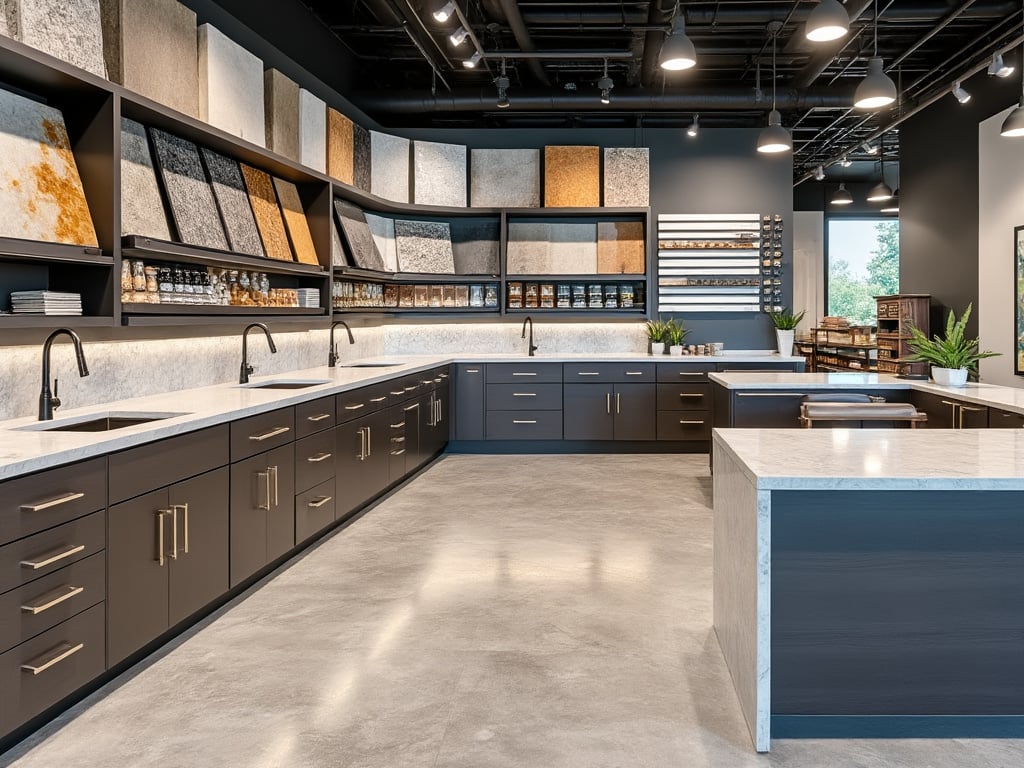
When planning a bathroom remodel, selecting materials warrants thoughtful consideration, as they can significantly sway the project costs. From budget-friendly laminate to opulent marble, countertop options can vary considerably, typically ranging from $400 to $4,300.
Contractor and labor expenses often account for 40% to 65% of the total bathroom budget, with labor averaging $50 to $75 per hour. The price spectrum for cabinetry is wide, at approximately 25-30% of the total budget, falling somewhere between $5,000 and $6,500, and is largely contingent on the material’s quality and custom requirements. Splurging on high-end materials like premium fixtures and custom tiles can substantially inflate the project costs.
An accurate evaluation of materials is critical, stretching from flooring selections to the choice of shower doors, enabling homeowners to make cost-effective choices without compromising on their vision for the space.
Countertop Options and Costs
In the realm of bathroom remodels, the vanity countertop is both a focal point of design and a pivotal cost factor. Prices stretch from an accessible $400 for basic replacements to an extravagant $4,300 for higher-end materials and craftsmanship.
Pre-fit countertops offer affordability, ranging from $400 to $1,200. Those seeking customized options might encounter costs spanning $700 to $5,000. Material costs diverge significantly, with ceramic starting at $2 per square foot, and luxury materials like marble soaring to $200 per square foot.
Solid surface materials, for example, Corian, strike a middle ground at $20 to $70 per square foot, merging value with visual appeal. Natural stone options like quartz and granite represent the upper tier, with pricing from $50 to $175 per square foot due to their resilience and lasting beauty.
Flooring Choices and Budget Implications
Flooring choices are pivotal in determining the bathroom remodel budget. Linoleum, one of the most economical materials, can cover an average bathroom for around $45, while wood floors initiate the budget at $200. Opting for cost-effective yet elegant marble or quartz tiles for countertops can help in managing financial outlay. It’s worth noting that smaller bathroom sizes might mean reduced material costs, yet intricate cutting and detailed trimming can sometimes escalate expenditures. The selection of high-quality flooring materials can notably affect the total budget. Prioritizing surface updates such as flooring allows you to manage costs effectively, offering the ability to phase out extensive renovations over time.
Plumbing Fixtures and Their Impact on Pricing
Plumbing fixtures are integral components of bathroom remodeling, with a pricing spectrum that encompasses toilets from $100 to over $600 and sink-faucet combinations ranging from $200 to $2,000. Bathtubs and surrounds represent a substantial budget portion, priced between $500 and $5,000. Electing for custom shower systems can intensify project costs, demanding anywhere from $1,500 to $10,000, based on complexity and material refinement. High-end fixtures increase the financial footprint of the remodel; thus, selecting these items demands consideration of their long-term value versus immediate costs. Incorporating additional plumbing features, like extra sinks or showers, predictably translates into increased project expenses due to the added materials and labor required.
Cabinetry Selections and Expenses
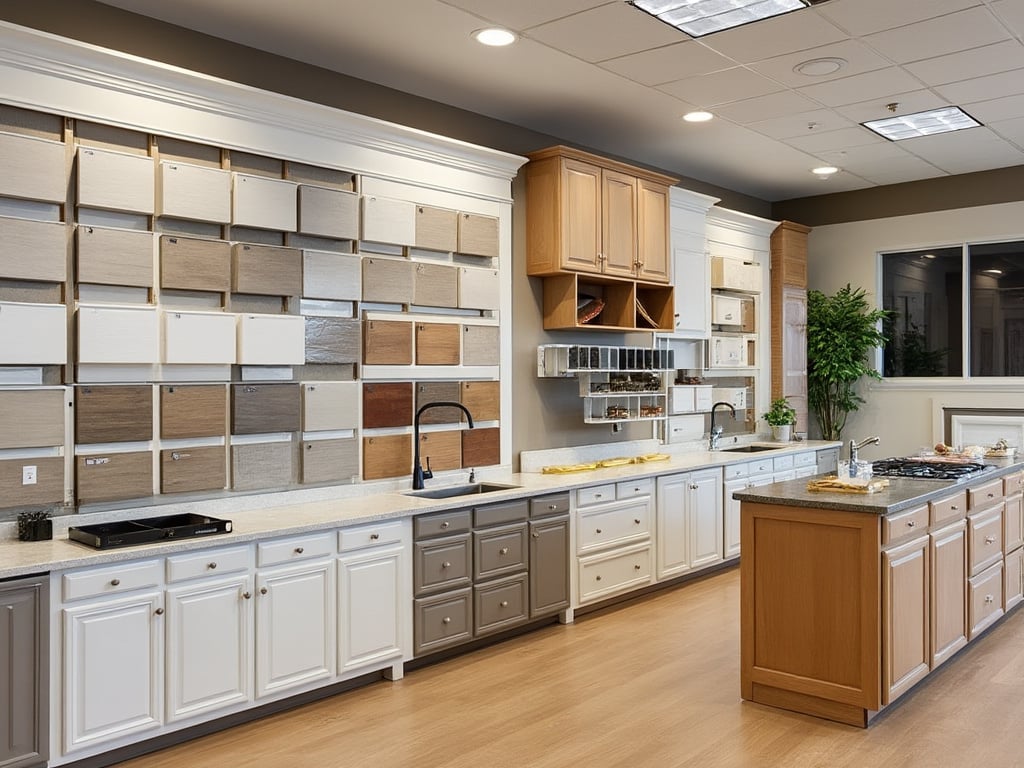
Cabinetry plays a transformative role in bathroom aesthetics and functionality, with prices swinging from a modest $200 to a striking $42,000. The disparity reflects the variety from standard MDF cabinets, which can be acquired for $200 to $800, to bespoke cabinetry that can exceed $1,000, potentially reaching $5,000 and beyond. The addition of new cabinets during a remodel can register between $200 and $500 per unit or spike to $400 to $4,000 subject to customization level and material choices. Cabinets and shelving are responsible for over a fourth of the total project costs, marking their significant influence in budgeting. Customizing a vanity to complement cabinetry finishes can inject an additional $10,000 into the material and installation budget.
Labor Costs and their Variability
When embarking on a bathroom remodeling project, homeowners can anticipate labor costs to be a major component of the overall budget. Typically, labor costs for a bathroom remodel range from $50 to $75 per hour, which can account for a significant 40% to 65% of the total project costs. It’s important to understand that the complexity and size of the project play a crucial role in determining these costs. Factors such as the intricacy of installations, the quality of materials chosen, and the need to meet certain building codes all contribute to how much labor will be required.
Labor costs may also fluctuate based on local economic conditions, notably the cost of living and the demand for skilled labor in the area. These factors often result in considerable variance across different regions. For instance, labor costs in urban locales typically surpass those in suburban or rural settings due to higher living expenses.
For those considering a do-it-yourself (DIY) approach to save money, there is potential to reduce labor costs by $1,500 to $5,300 on a small full bath remodel. However, it’s crucial to be realistic about one’s skills and limits; some tasks necessitate professional experience, particularly those related to complex plumbing or electrical systems.
Additionally, homeowners should account for the possibility of higher costs when employing specialized labor like certified plumbers or electricians. Such expertise is especially critical for bathroom remodels involving significant alterations to existing plumbing or electrical infrastructures, where additional costs can be expected.
Importance of Hiring Licensed Professionals
The advantages of entrusting your bathroom remodel to a licensed home remodeling contractor are multifaceted. Professionals not only bring their expertise to the table—which can lead to quicker and more efficient work—but they also help to evade costly errors. Labor from professional remodelers constitutes around 60% to 70% of the overall renovation costs, an indication of the value placed on their knowledgeable craft.
A licensed contractor has the experience and know-how to handle the acquisition of required permits and oversee the inspection process, vital steps that are essential to meet local building codes and regulations. This level of compliance is critical for both ensuring the work’s safety and preserving your investment.
Moreover, seasoned contractors tend to have established relationships with material suppliers and may be able to secure discounts on materials, potentially reducing the bathroom remodeling costs. Finally, a professional can articulate a design that is both aesthetically appealing and functional, adding tangible value to your property.
Potential Additional Labor for Complex Projects
For more intricate bathroom remodel projects, additional labor and thus added costs become factors to consider. Hiring specialized labor such as certified plumbers and electricians can come at a rate of $45 to $200 per hour, contingent on the job’s complexities and the worker’s expertise level. Projects that involve diverse contractors and subcontractors necessitate coordination, which adds layers of complexity and can increase overall expenses.
The addition of a general contractor, who may charge approximately 10% to 20% of the total project cost, also contributes to higher expenses but offers valuable oversight and coordination for complex remodels. Even the initial phase of demolition work to jumpstart the remodeling process could imply an additional cost of $1,000 to $2,300, depending on the breadth of work required.
To balance out the potential rise in costs due to these factors, homeowners are encouraged to plan meticulously and ensure that investments in labor and materials yield the highest possible return on investment, creating a dream bathroom that delights for years to come.
Permits and Legal Considerations
Embarking on a bathroom renovation project not only involves selecting fixtures, tiles, and a color scheme but also navigating the complex terrain of permits and legal considerations. When one considers altering a bathroom’s plumbing, electrical, or mechanical systems, or if structural changes such as moving load-bearing walls are on the agenda, it becomes crucial to understand local building codes. These codes play a key role in maintaining safety and compliance, and, as a result, major bathroom remodels often cannot proceed without the correct permits.
Costs Associated with Securing Permits
When budgeting for bathroom remodels, it’s prudent to consider permit costs as part of the equation. Depending on the complexity of the bathroom remodel and the location, the cost of construction permits can range widely, from a nominal fee of around $100 to upwards of $1,000 for more substantial renovations.
For smaller projects, the absence of permit fees can slightly reduce the overall bathroom remodel costs. However, for projects involving significant changes, such as relocating plumbing or altering electrical systems within your primary bathroom or master bathroom, permits are usually a necessary part of the process. Homeowners are encouraged to inquire with contractors for estimates on permits since they frequently handle the acquisition of these permits on behalf of the homeowner.
It cannot be overstated that local regulations are a significant factor in determining the cost of permits. Ensuring you have allocated enough funds for permit fees is crucial to avoid unforeseen expenses that could otherwise derail your dream bathroom project. In addition to the fees, it’s wise to account for the potential impact on your project timeline; securing permits can sometimes be a time-consuming process. With proper planning and budget allocation for these legal necessities, you will be well on your way to a compliant and successful bathroom remodel.
Additional Costs to Consider
When planning a bathroom remodel, several additional costs come into play that you need to be aware of to create an accurate budget. The average cost to remodel a bathroom ranges from $6,600 to $16,900, with most homeowners spending around $11,500 for a full remodel, as reported by Angi. Labor costs are substantial, comprising 40% to 65% of your total expenditure. This aspect alone highlights the importance of accounting for trade professionals in your financial plan.
Additionally, updating lighting fixtures can be an expensive element of bathroom renovations, with costs fluctuating between $120 and $4,000 depending on style and complexity. Countertop customization also adds a variable expense, with prices stretching from $400 for simple acrylic to $4,300 for high-end marble. Seeking design expertise? Prepare to increase your construction budget by 10-20% to cover fees for architects or interior designers. These professional services can enhance your bathroom design but come at a premium.
Budgeting for a bathroom renovation can be complicated, but understanding the potential costs can help you set a realistic and manageable budget.
Electrical Work and Upgrades
Electrical work represents a critical and sometimes hidden aspect of bathroom remodel costs. Hiring an electrician may run from $150 to $500 on average, which can increase depending on the project’s complexity and the electrician’s experience level. Standard upgrades like installing new outlets range between $100 and $300 each, while a more comprehensive rewiring can cost from $500 to $2,000.
Given the bathroom’s proximity to water, it’s vital to have licensed electricians conduct any wiring work. The upgrade or installation of exhaust fans also carries its own cost, typically between $180 and $600. Additionally, when considering improved lighting, the fixtures might set you back anywhere from $200 to $1,000, contributing significantly to your project cost. In particular, a new bathroom fan installation costs on average between $240 and $550, depending on features and labor.
These figures underscore the need to factor electrical work into your overall budget for a comprehensive and secure remodel.
Structural Changes and Their Impact on Total Cost
The extent of structural changes can dramatically inflate the cost of a bathroom remodel. Altering the layout requires labor-intensive removal and disposal of existing fixtures, making it the priciest component. When the remodeling plan involves changes to plumbing and electrical systems, project costs can swell by an additional $5,000.
The involvement of structural engineers, at rates between $100 and $200 per hour, might be necessary for large-scale renovations to ensure the updated structure adheres to safety standards and building codes. For those looking to incorporate accessibility features compliant with the Americans with Disabilities Act (ADA), costs can vary from $100 to $3,000 per fixture, with a complete accessible bathroom remodel averaging around $9,000.
It is evident that structural changes impact not only material and immediate labor costs but can also extend the timeframe and scope of the project. Homeowners considering these alterations should carefully weigh the benefits against the added financial commitment and disruptions to daily life.
In summary, a detailed understanding of the financial implications of each remodeling component is indispensable for achieving a successful and cost-effective bathroom renovation.
Setting a realistic budget
To avoid financial surprises during your bathroom renovation, setting a realistic budget is crucial. On average, a bathroom renovation may run homeowners anywhere from $5,000 to $13,200, influenced by the materials and contractor chosen for the job. It is smart to budget between $70 and $250 per square foot, meaning a standard 40-square-foot bathroom can range from $2,800 to $10,000.
With such variance in potential expenses, it is important to clearly define the scope of your bathroom remodel project. Knowing the average cost of $6,634 to $17,579 will guide you in making informed decisions. To shield against unforeseen costs, incorporating an additional reserve of 10-20% of the budget for contingencies is a smart financial buffer. This extra allocation could cover unexpected plumbing or electrical issues that might emerge once the project is underway.
To ensure you make the most of your budget:
- Evaluate needs over wants: It’s easy to get carried away with add-ons, but prioritizing vital repairs and renovations will contribute to a more valuable and sustainable outcome.
- Choose materials wisely: There’s a spectrum of material quality and costs to consider, from basic options to luxury selections.
- Understand labor dynamics: Depending on whether your area has high labor costs, this could shape your project’s budget significantly.
- Plan comprehensively: Mapping out the entire remodel before starting helps prevent costly changes mid-project.
Prioritizing needs vs. wants
In the process of a bathroom renovation, distinguishing between what you need and what you want is essential to allocate your budget effectively. Addressing urgent issues like leaks, mold, or compromised tiles ensures the new bathroom is not just aesthetically pleasing but also structurally sound and hygienic. These need-based choices often provide a solid return on investment, as potential buyers or appraisers will expect such foundational issues to be remedied.
On the wish list, popular features like a double-sink vanity or a walk-in shower may hold great appeal, but they should be weighed against the remodel’s total budget. For example, luxurious marble floors may tip your expense over the edge, while ceramic tiles can offer durability and style within a more moderate pricing structure. Choosing the latter allows funds to be distributed to other aspects of the remodel that may have a greater impact on the bathroom’s functionality or resale value.
To navigate this balance, consider the following:
- Assess current issues: Prioritize mandatory fixes to avoid more costly repairs later on.
- Plan for the future: Select upgrades that will increase your home’s value and appeal to potential buyers.
- Make informed decisions: Gain a proper understanding of the cost associated with different elements like custom cabinets or high-end materials to manage your budget more efficiently.
- Define the remodel’s purpose: Whether it’s for daily comfort, selling the house, or simply updating an outdated design, your goals will shape your spending decisions.
Contingency plans for unexpected expenses
No matter how well you plan, it’s common for bathroom remodeling projects to encounter unexpected issues. These can include electrical system updates required to meet current standards or hidden water damage that necessitates additional reparative work. A contingency budget is not just a safety net; it’s a crucial component of your overall plan, aimed at keeping your finances in check when surprises arise.
Confronted with such unforeseen expenses, having planned for a reserve of unexpected challenges—around 10-20% of the total budget—is a proactive step to ensure that these issues don’t derail the entire remodel. A skilled contractor might identify potential complications early and suggest preemptive measures, possibly saving you money and time.
Here are some tips for managing unexpected costs:
- Conduct thorough inspections: Early detection of hidden problems can minimize surprise costs during a remodel.
- Work with experienced professionals: Their insights might help forecast additional expenses.
- Keep communication open: Being transparent with your contractor about your budget concerns can help them suggest cost-saving alternatives.
By anticipating the unexpected and having a well-thought-out plan that accounts for potential additional expenses, you can maintain control of the financial aspects of your bathroom renovation and avoid the stress of escalating, unplanned costs.
Schedule a Private 30-Minute Consultation with TomCo Solutions
When planning a bathroom remodel, one of the most critical steps is understanding the cost implications involved. This is where TomCo Solutions shines, offering a design-first consultation process that takes the guesswork out of your renovation planning.
For over a decade, TomCo Solutions has been transforming bathrooms for homeowners in the Tampa Bay area, turning their dreams into reality with stunning results.
Complete the consultation form or give us a call at (813) 922-2299 to kickstart the effortless process and take another step toward achieving the bathroom of your dreams.
Leave a Reply